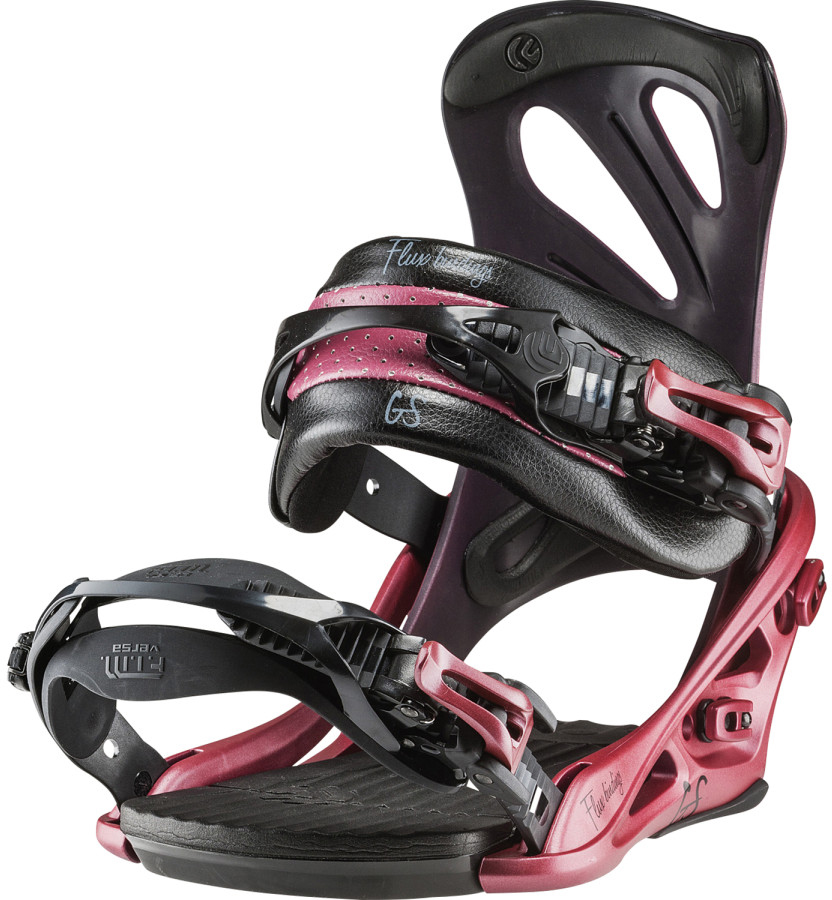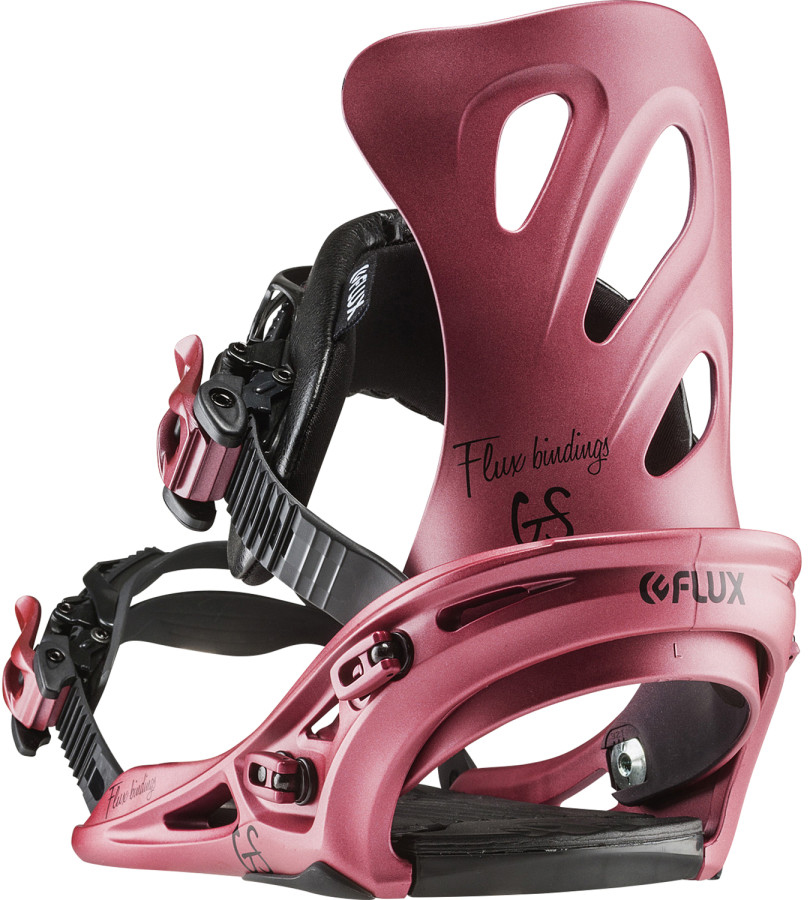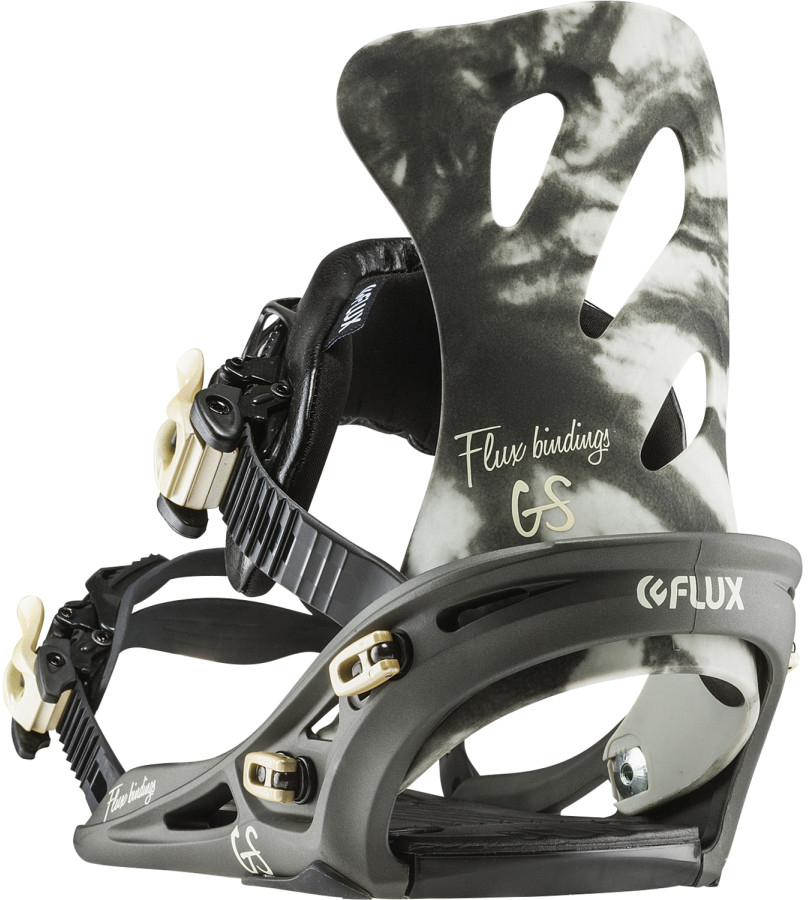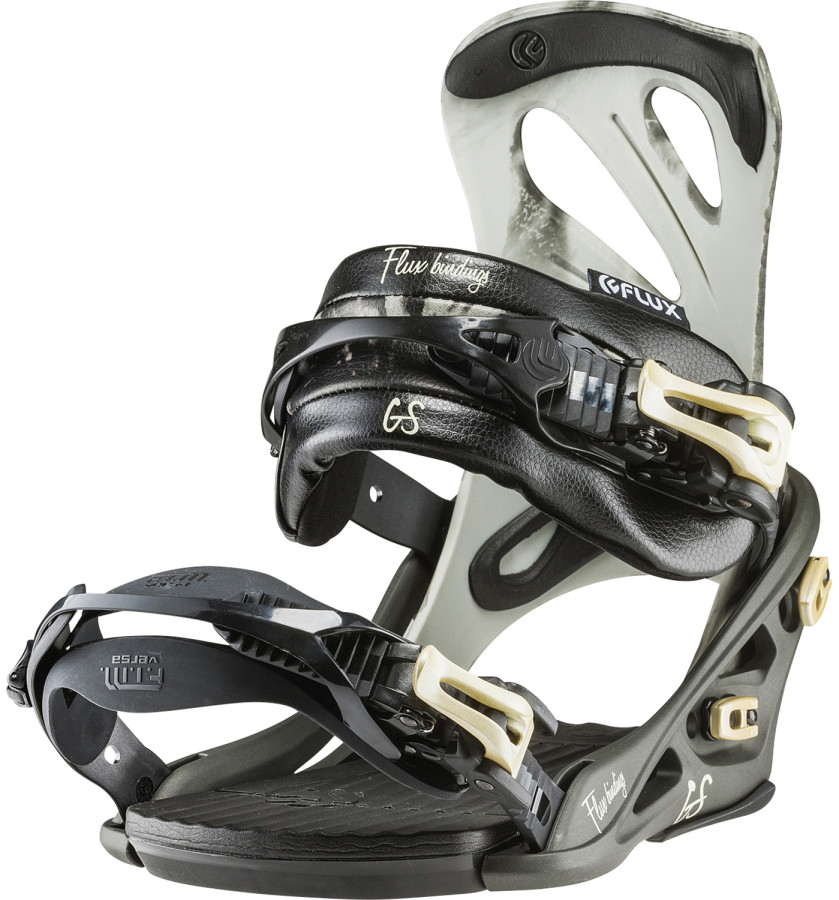
Flux DMCC Snowboard Binding Review |
|||||||||||||||||||||||||||||||||||
![]() |
|
||||||||||||||||||||||||||||||||||
Compare Prices & Buyer Reviews
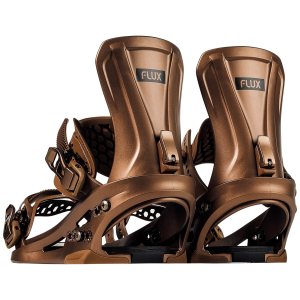
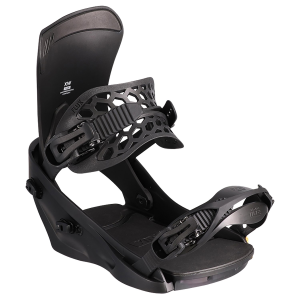
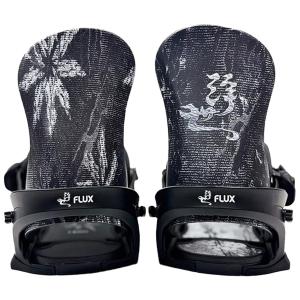
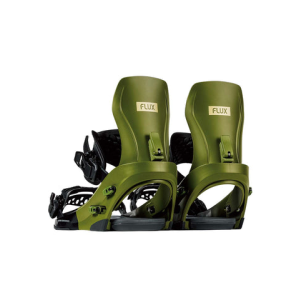
The Good Ride TakeThe Flux DMCC Snowboard Binding Review by The Good Ride Days on the Bindings- 15 These bindings also are compatible with the Burton Channel Tech System because they have a base plate specific for those boards. We were lucky enough to get a few days on these bindings and were very impressed with the all around performance. This binding is to compete with the likes of the Burton Diode, Ride El Hefe and Union Force MC. The older models use to also compete with the now discontinued Burton Co2, Burton C 60 and Ride CAD. So here is our take on the 2010 Super Diamond, 2011 DMCC and 2012 DMCC.
Flex- This is a very stiff, snappy and responsive binding. The DMCC is right there with the Flux SF45 when it comes to flex. All years seem to have almost the same flex.
Adjustability- There is a lot of adjustability here and the DMCC is going to be one of the better bindings out there do make quick adjustments on the fly because all but the base plate screws are toolless. It's a little difficult to work with the screws in the cold but still it's a lot easier than most bindings out there. You have 2 angles The proprietary screws from Flux are carried in a lot of shops so if you loose one in the snow it won't be to hard to replace them.
Comfort- The DMCC's from every year are incredibly comfortable. The ankle strap is inside the heel instead of outside which makes for a more snug fit but all of the flux bindings have this. Their their strap system might be the best in the business. They ratchet down better than any other binding we have tried and they are well engineered to stay out of your way. We have still not seen them jam or any issue like that.
Response- The Response from the DMCC/Super Diamond is going to be about the same from all years but its always nice to have response from a lighter binding. Maybe it was us but the new binding was a bit more responsive. All are smooth and performed better than just about any other binding we have experienced when it comes to short or long edge to edge transitioning. The Gas Pedal on the toe is the largest in the line and helps create good toe side initiation. The asymmetrical bindings are stronger on the sides closer than to the nose which helps with turn initiation. The ride was smooth but you could feel the binding bend even our stiffest board in our line up. We had the most fun making big, hard fast turns and had a great time in the half pipe as well. It seems like flux is right in between Burton and Union when it comes to response. Burton is ultra smooth Union is sharp and Flux takes a little from each. We aren't saying one ride is better than the other but instead we are just trying to point out the differences.
Weight- The 2010 and 2011 DMCC/Super Diamond was light but not really feather weight. The 2012 earned the feather weight title because they reduced weight almost every where on the binding but the biggest weight reduction was done in the Base Plate and Straps. It's just barely a feather weight but we give it feather weight. The change was needed and very impressive.
Lateral Movement- In the past the DMCC and Super diamond would of had good to excellent lateral movement. With the addition of new larger asymmetrical ankle straps and more flex under foot with the base plate from other companies the lateral movement is not excellent anymore but it's still good.
Dampening- The base plate from every year is very damp and makes you feel comfortable at any speed you have the ability for. Shock Absorption- We have noticed that the heel shock absorption is better than any flux binding but it still doesn't compare to other bindings like Ride and Burton. We would of liked to see more of the base plate removed to allow better flex of the board but these bindings are soo good we can't complain too much. However the toe has more shock absorption than almost any other binding out there with the exception of some of the newer almost all EVA or ?? Foam base plate Bindings. With the addition of Gel to the heel the 2011 has more shock absorption than the 2010. The 2012 trumped both bindings by creating a continuous line of padding along where you rest your boot. We'd still like to see more but Flux is going in the right direction.
All in all we were very impressed with the smooth traditional feeling these bindings have and if we had a lot of cash we would add these bindings to our quiver. They will work with any aggressive board/boot set up. If we were the customer most of us would choose the Flux SF45 because they were priced less and had close to the performance that the DMCC's did. If money isn't an issue and you need the absolute top of the line the DMCC might be worth the extra money.
A Good Ride Take on Binding Tech This is a Goodride breakdown for all you that are having a tough time choosing your bindings and what to make of the material you are looking at. Most bindings are Metal, Plastic or some combo of the 2. Metal Bindings have a lot of great aspects. Almost all-metal bindings are made from aluminum. Aluminum is great when it come to weight to stiffness ratio and also pretty durable. There is one key issue with metal/aluminum bindings; they transfer all the vibrations from the board right into your feet. This is the same principle that pelage “bass-less” bindings, your feet got totally tired or fatigued. The newer generations have much better/damp bases so this problem has been minimized and in some cases eliminated. There are some companies that make great bindings despite the vibration issue with Aluminum. Some that come to mind are Ride and Rome. Plastic Bindings also have many great features but let’s address some technical stuff first. Most plastic bindings are really hardened glass plastic mix. The high-end stuff tends to have a more carbon, and carbon fiber added for extra stiffness and weight savings. Plastic bindings really dominate the market right now and most top bindings these days are mostly or all plastic. They can be really stiff and react well to your commands. The new bindings finally dialed in the carbon/ fiber integration to the point that the bindings will perform with the stiffness of metal and absorb more chatter. Most industry leaders have limited or completely eliminated metal from their bindings and we feel that with the materials used right now this is the future. Some mostly plastic companies that we feel rock are Burton, Flux and Union. What kind of binding should you buy? It’s a tough call. Both Plastic and Metal bindings offer freestyle, freeride and all mountain styles. At this point we feel that plastic bindings are edging out metal bindings when it comes to the very high end $300+ category. However it is a tough call in the below $300 category as to which material has the advantage.
Company Info & SpecsFlux DMCC Super Diamond 2012All Mountain DestroyerWelcome to the future—no time travel necessary. Whether you’re CONSTRUCTION? BASEPLATE
|
|||||||||||||||||||||||||||||||||||
.