Summary
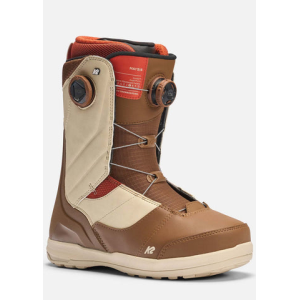
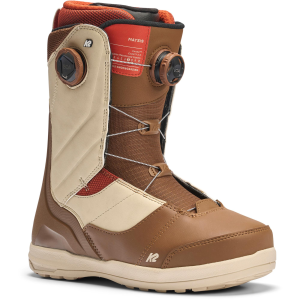
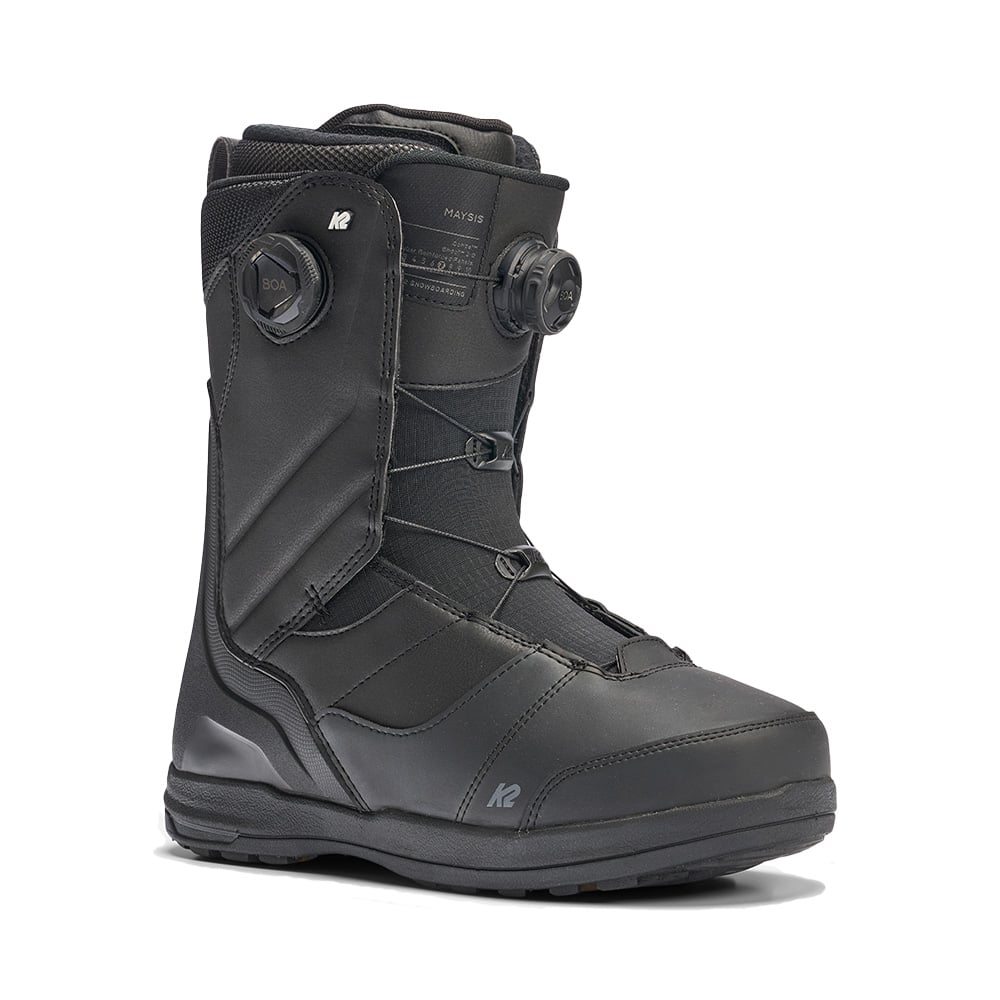
The K2 Maysis doesn't have much when it comes to adjustability but it really shines when it comes to locking that ankle in. It's also very comfortable, very well made and super easy to get on/off.Where To Buy
No obligation, but these links support the site.
Sun & Ski Sports
evo
REI

Tactics
Backcountry

No Results Found
PRFO Sports Canada
| Riding Level | Intermediate - Expert |
| Lacing Type | Double BOA |
| Manufactured in | China |


|
|
|
|
|
|
|
|
|
|
|
|
|
|
|
|
|
|
|
|
|
|
|
|
|
|
|
|
|
|
|
|
|
|
|
|
Where To Buy
No obligation, but these links support the site.
Sun & Ski Sports
evo

REI
Tactics
Backcountry
Outdoor Gear Exchange
No Results Found
PRFO Sports Canada
K2 Maysis Written Review Review by The Good Ride
Update 2025: The Maysis is pretty much the same boot that it’s been since 2021. There have only been minor tweaks and the overall ride is very similar.
Update 2021: The Maysis shortened the length of the Urethane backstay so the flex retention is slightly less. Other than that cost cutting measure it’s still a very similar boot.
Ethics Statement: We don’t get paid by the manufacturer to write these reviews. No one is perfect and we do make money from the “Where To Buy” links below, but this is our best attempt at an honest and objective review from an average riders’ perspective.
Days: 5+
Size Tried: 9 (2019 Model) and 8.5 (2018 model)
Riders: James, Jimbo, Mary
Insoles: Footprint Insole Technology Gamechangers
Bindings: Union Atlas, Union Superpro, Union Strata,
Boards: OZ Custom Woody, Lib Tech Box Knife, K2 Manifest
James’ Foot Specs
Foot Size: 9 US
Foot Width: E
Arch Length: Right 9.5 and Left 9
Calves (Top of the boot): 17”
Calves (Bottom of the boot): 12”
Sizing
The K2 Maysis runs about 1/2 size large on the US Brannock Scale so the 8.5 boots fit me perfect and the 9’s felt too big.
Fit
These have an interesting fit. They are nice and snug around the back of the foot/heel but then widen out a bit as you move towards the middle of the foot which makes these boots fit most mid-width feet as well as those who have narrow feet.
Comfort
These are super comfortable and I really felt they were an almost perfect fit day one. These were not demoed boots but came brand new to me so the comfort factor is high.
Flex
Nice middle ground flex that works with a wide variety of boards/bindings.
Flex Retention
K2 has what they call endo construction, where there is this rubber type of support in the shell that seems to do a good job with flex retention. I haven’t personally ridden a pair for the season, but the demo 8.5s I tried had lots of days on them and still had a very similar flex to the brand-new boots I tried. They weren’t the same but were really good for the use they had. The K2 Maysis also seems well built so with good care they should hold up well.
Footprint
As you can see in the pic below the 8.5 Maysis is longer than my 8.5 Adidas Tactical ADV’s from heel to toe but they aren’t as long as they used to be. Also, these Tactical ADVs, in this size, are about as small as boots get footprint-wise. I had to adjust my toe straps to make these fit my bindings, but I saw a lot bigger ones. You also often trade warmth for reduced footprint so if warmth is important to you and you have the right width board for your boot side then these might be a good call.


Turn Initiation
It has nice smooth middle ground turn initiation that can power most boards. Even brand new it works well and it doesn’t overpower your turns or make the ride twitchy.
Shock Absorption
Nothing amazing but nothing bad either.
Heel Hold
This is why so many people love this boot because it’s all about wrapping that ankle up and keeping it in one place.
Adjustability
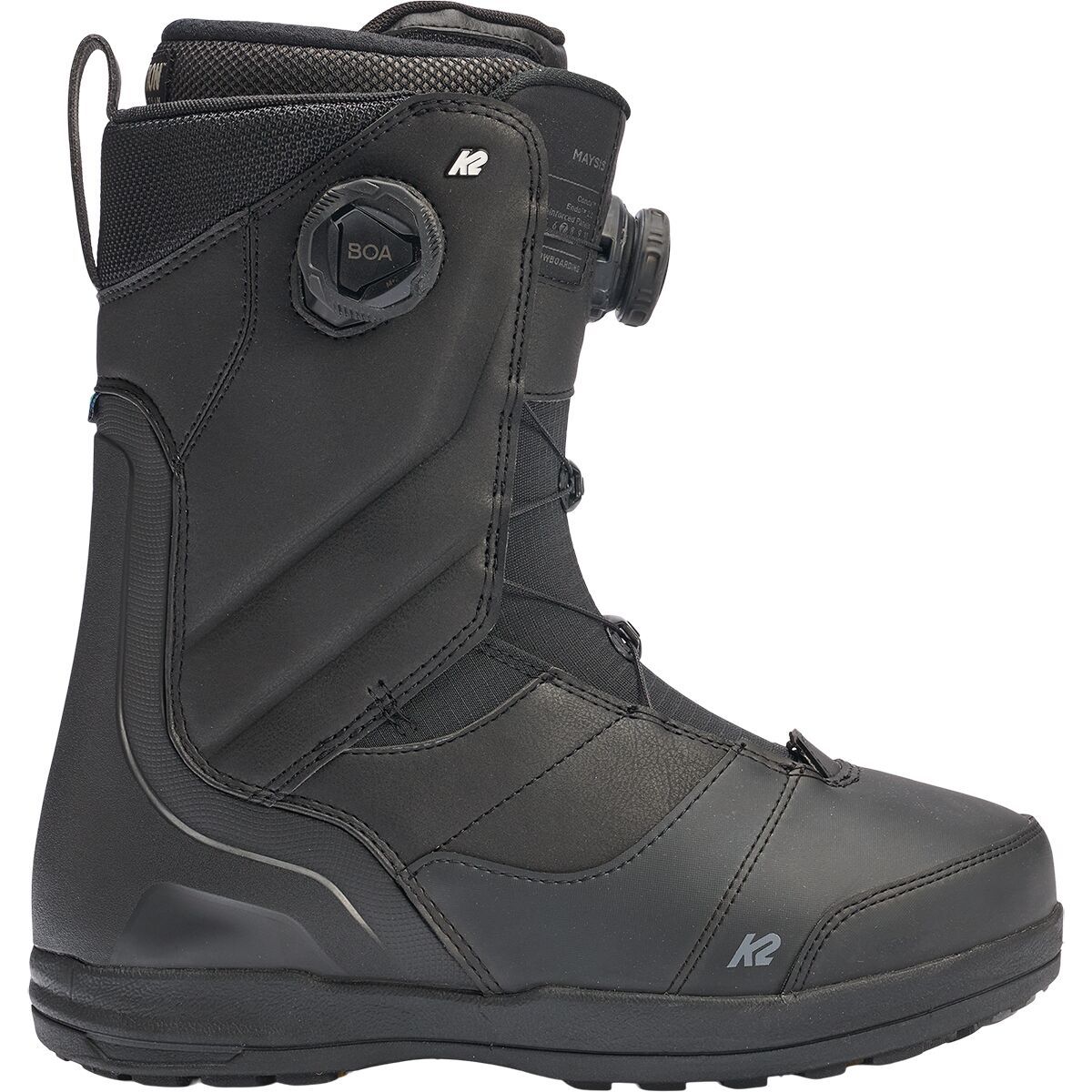
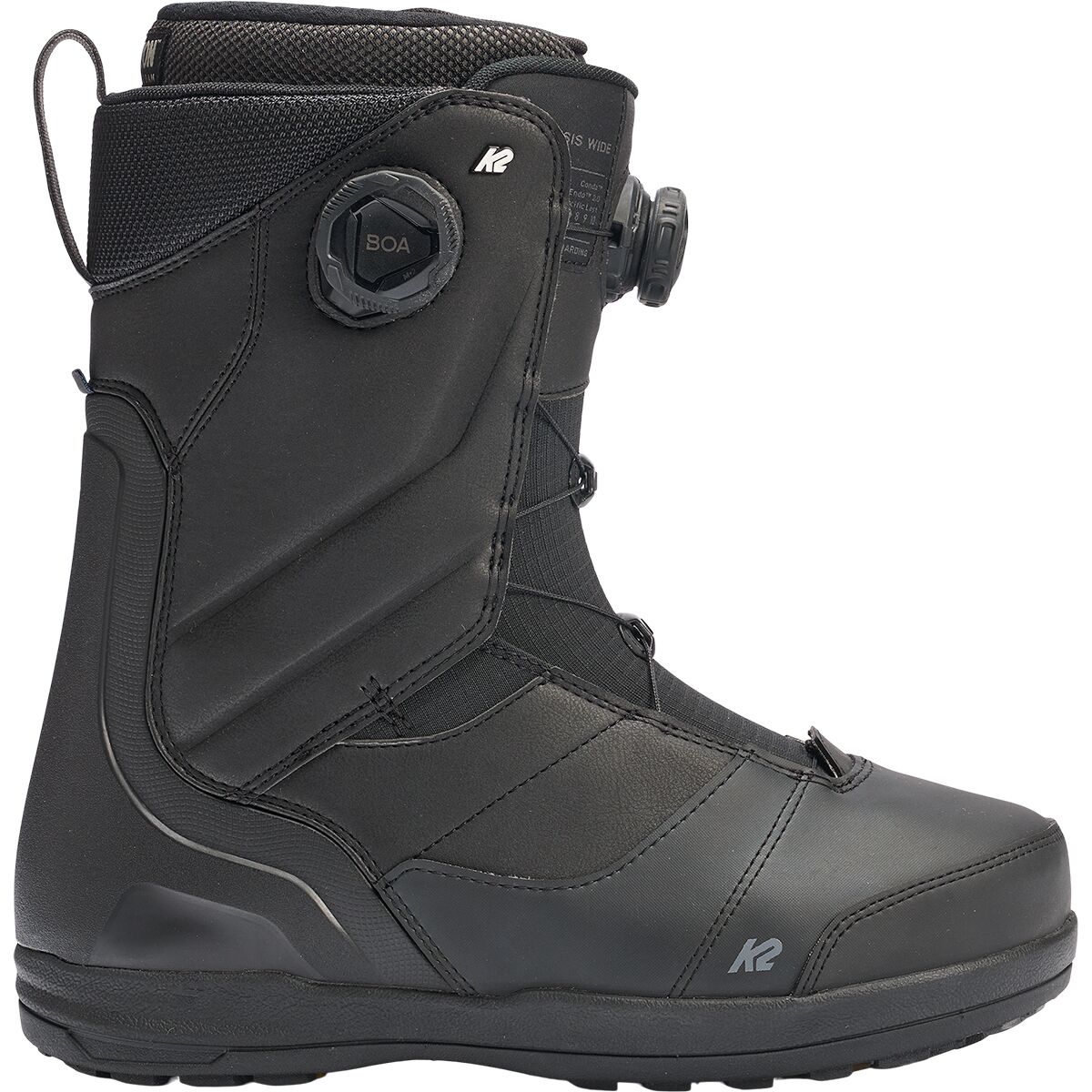
There is almost no adjustability with the Maysis. The double BOA has one for the inside around the ankle and the other for the entire shell. That makes this BOA boot pretty poor if you like upper and lower separation but excellent if you prefer heel hold over all else.
Traction
Great traction and the K2 Maysis rubber holds well.
On & Off Ease
Sooo easy to get on and off. It’s just two pulls on the Boa’s and you are out of it. Getting it on takes a bit of twisting but it’s pretty quick and easy without strings everywhere. The convenience is really nice.
Final Thoughts
So if you can live with the lack of adjustability the K2 Maysis offers up a super comfortable super locked in a boot that’s super easy to get on and off.
K2 Maysis Past Reviews
The K2 Maysis Boot is a great all mountain do anything boot that is very supportive and comfortable. The Maysis is well priced, well made and good for someone who likes a good ballance between comfort and response.
Flex: The flex is medium stiff and feels pretty all mountainish.
Comfort: The liner is very cush and because of that it’s known to pack out a bit so you might want to size down 1/2 size.
Heel Hold: You are locked in with the Maysis because the Double BOA is for the inside and outside of the boot instead of upper and lower.
Adjustability: The bad part about K2 Maysis Double BOA system is it doesn’t adjust the upper and lower boots. There is one BOA is for the inside liner and the other is for the outside. We’d rather see upper and lower BOA’s but many people love this design and prefer an ultra locked in heel than separate upper/lower adjustablity.
Flex Retention: It has some minor articulation in the ankle to preserve the flex but it still doesn’t compete with an articulating cuff. It also doesn’t have “Endo” tech but it still holds it’s flex rather well for this price point and it can get through 100 days no problem.
Response: The response with the Maysis is very good and it can handle just about any board out there when it comes to turn initiation.
Traction: It’s not their higher end vibram sole but it does a good job from peak to icy parking lot.
Shock Absorption: Nice shock absorption that is in between ultra cushy and skate shoe in terms of feel. With a good binding you will be shielded from a lot of shock.
The K2 Maysis has a big following, the construction is very solid and will last a long time. If you want the easiest boots to get in and don’t care much about upper and lower adjustability or a reduced footprint then give the Maysis a try.
K2 Maysis Specs
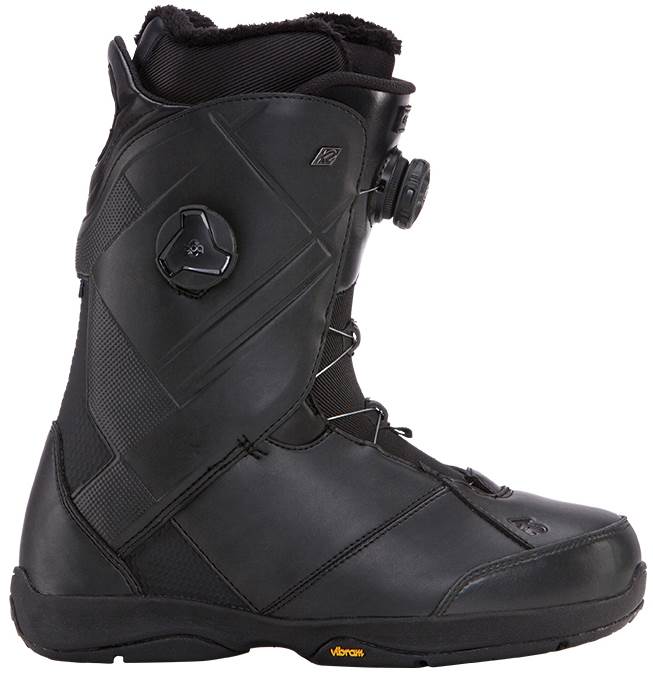
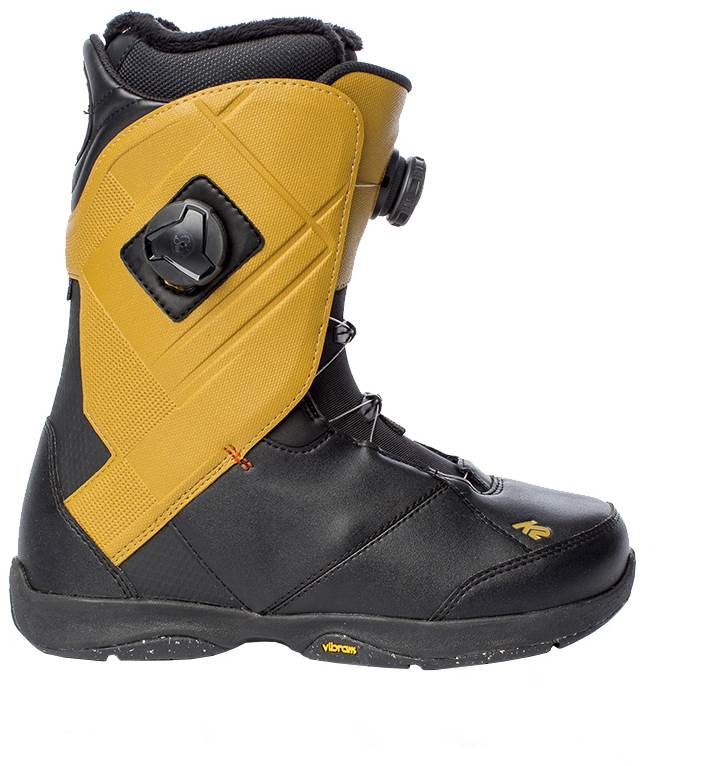
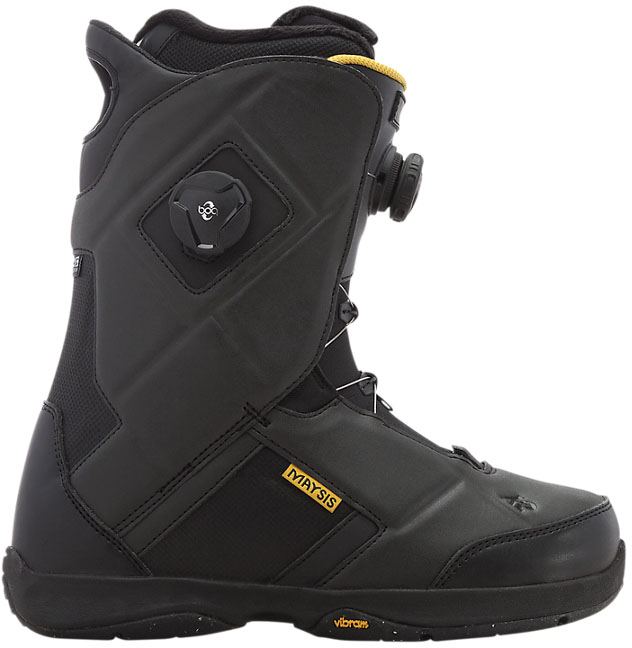
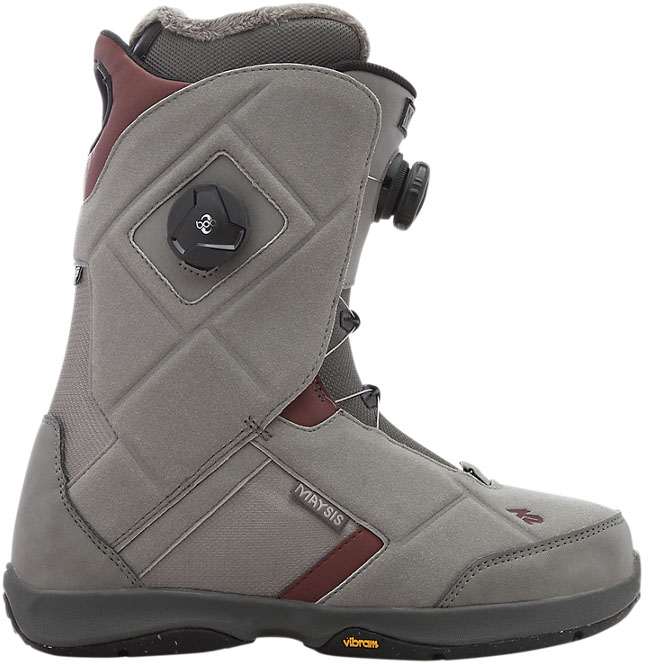
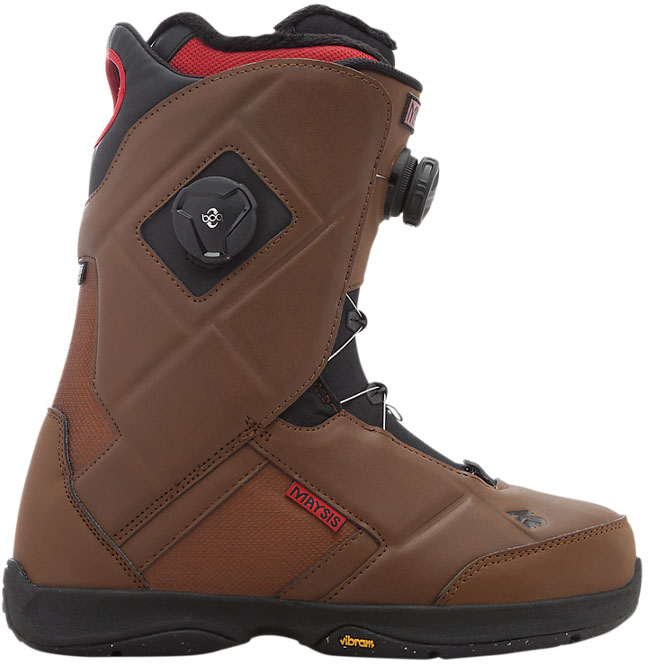
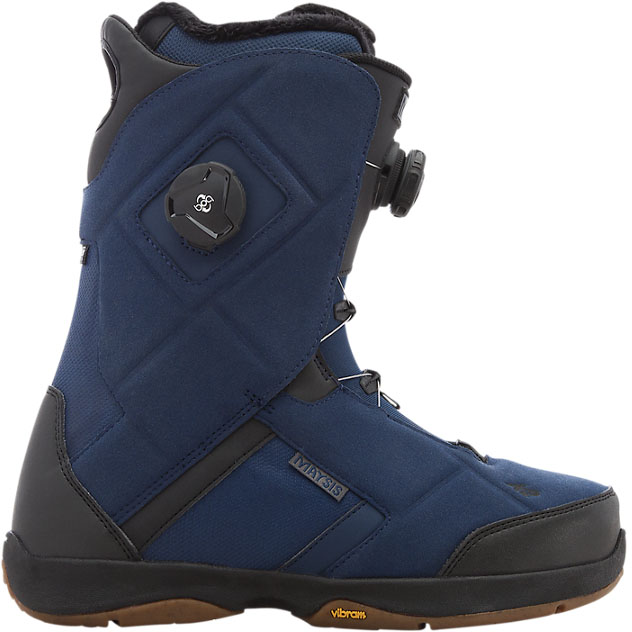
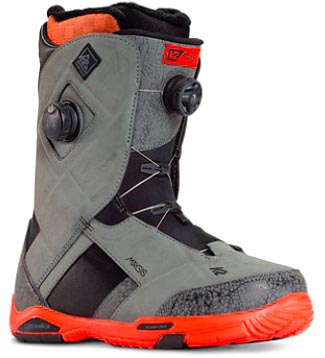
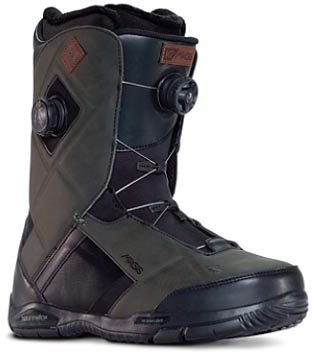
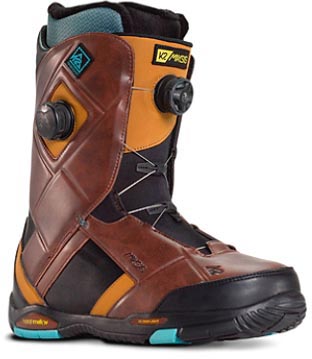
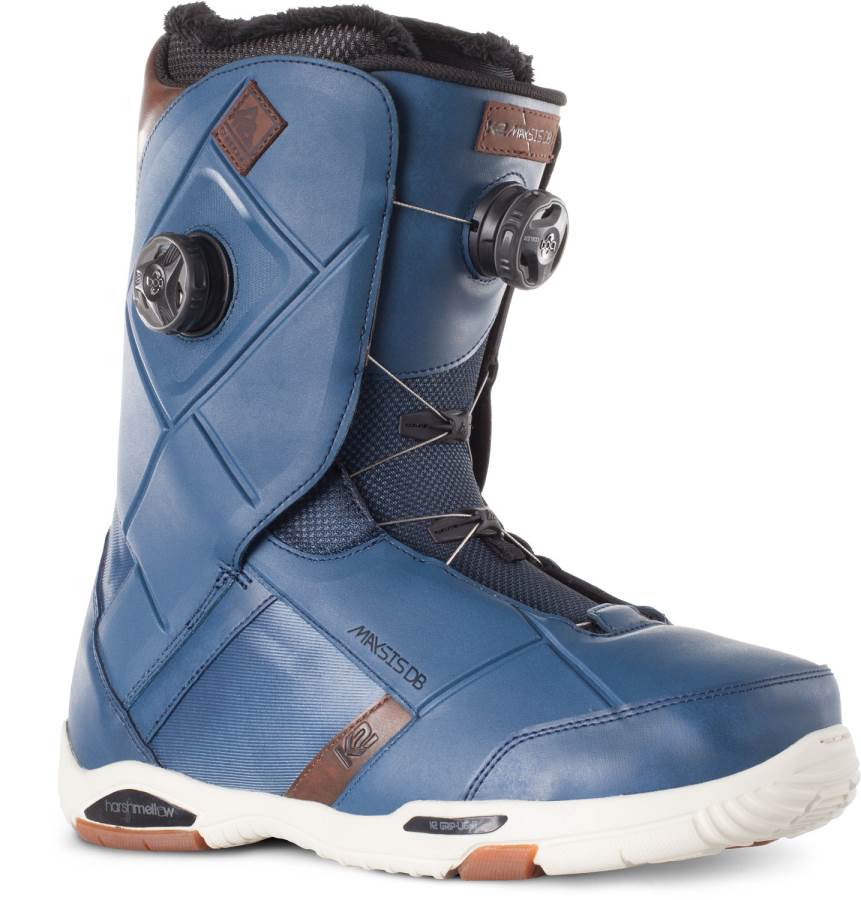
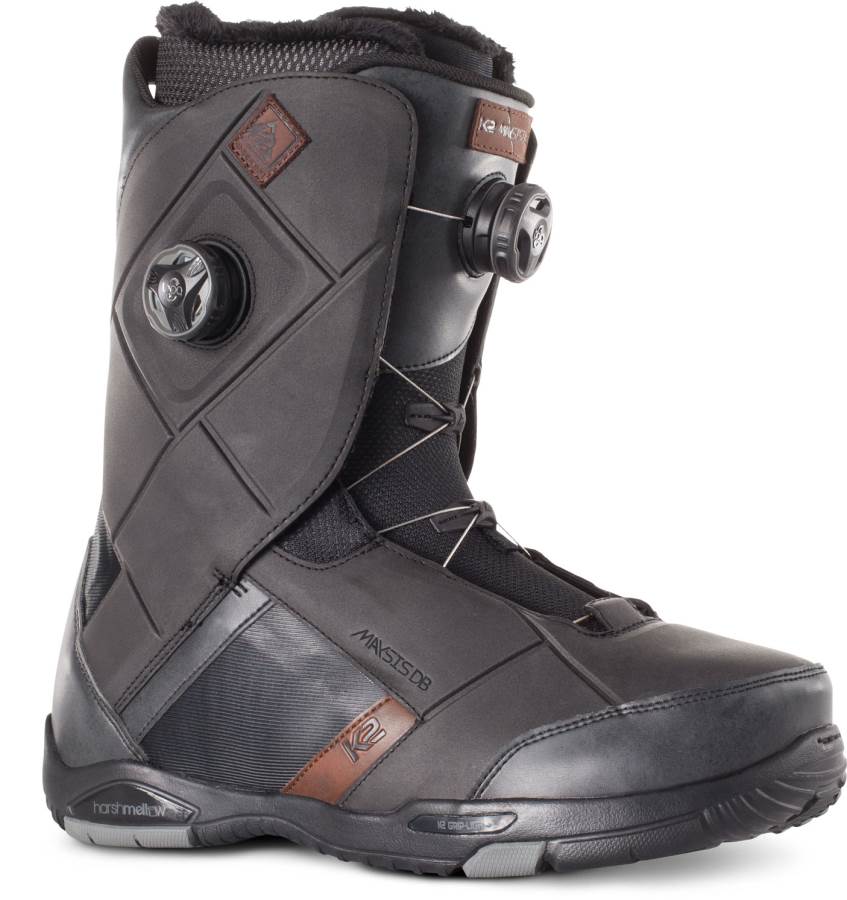
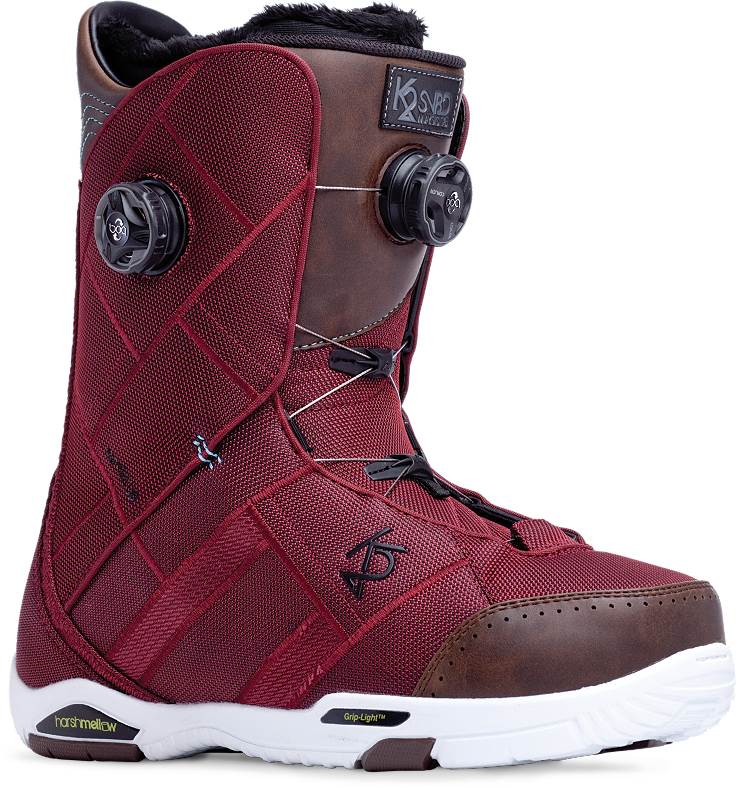
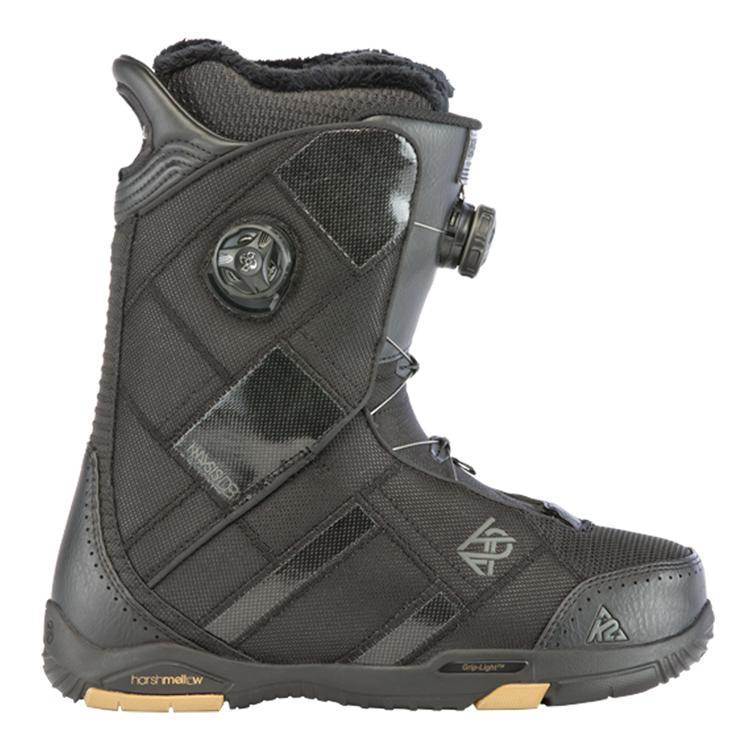
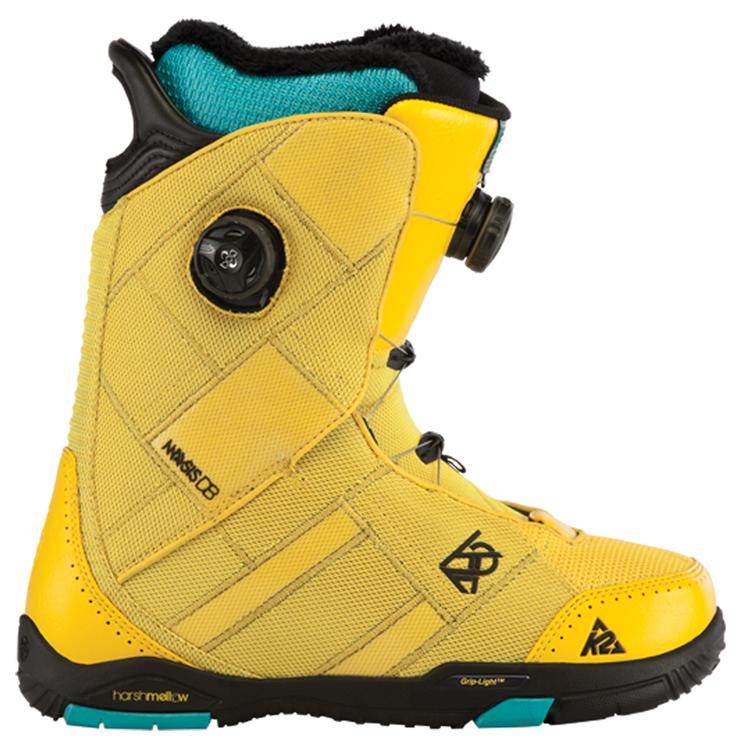
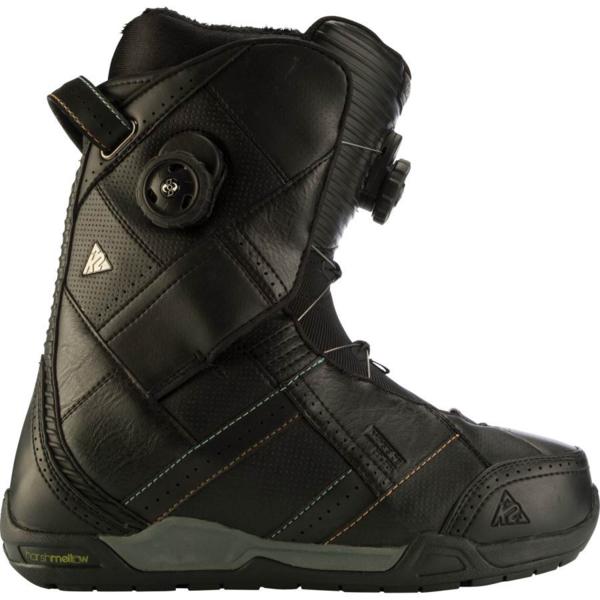
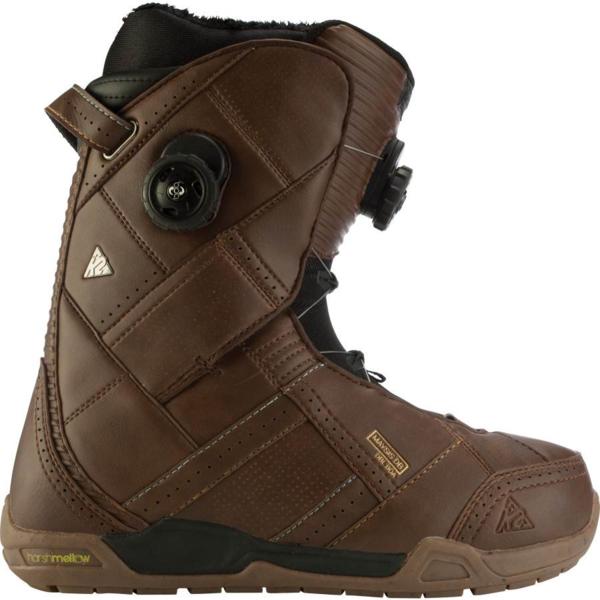
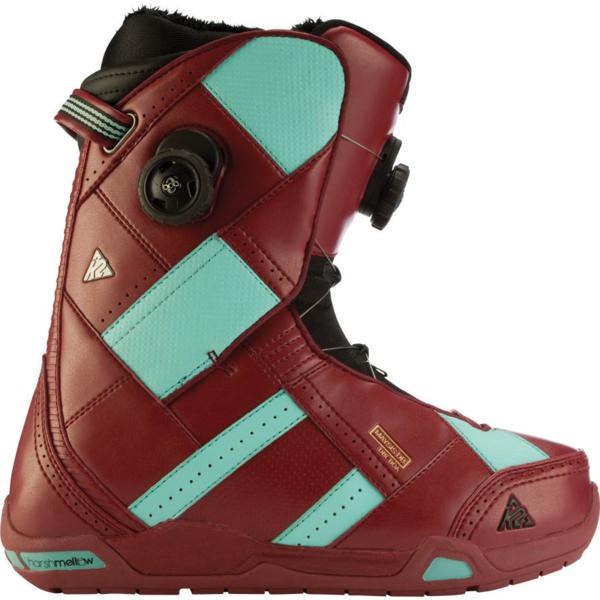
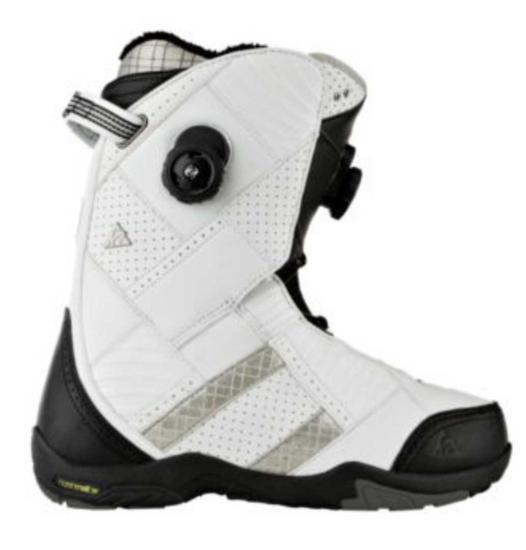
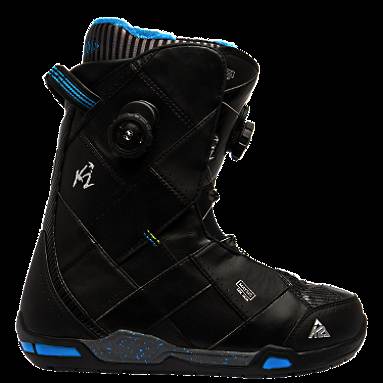
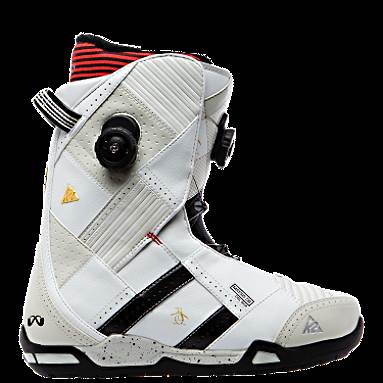
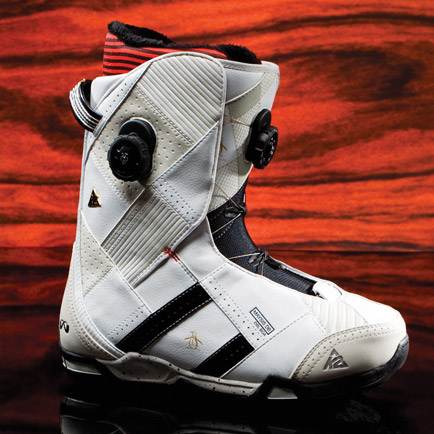
K2 Maysis Images
We try to get as many images of the K2 Maysis, but forgive us if they're not all there.
2018
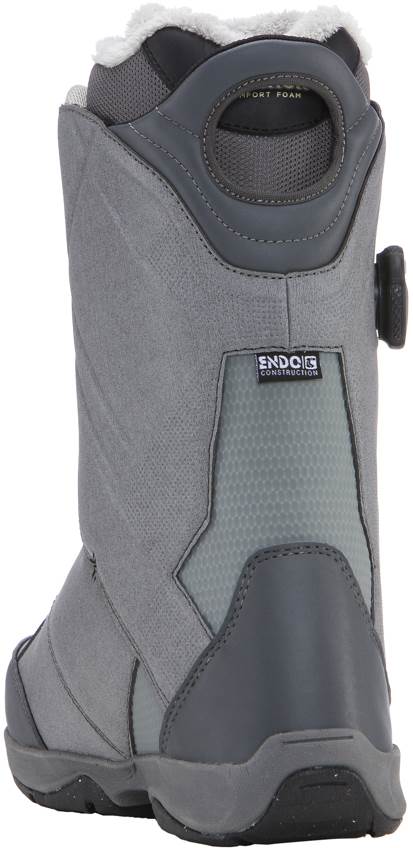
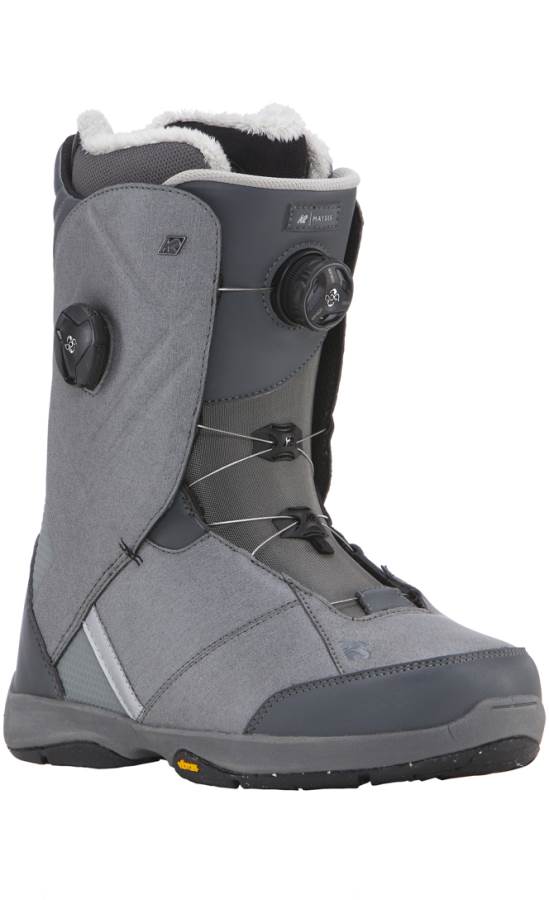
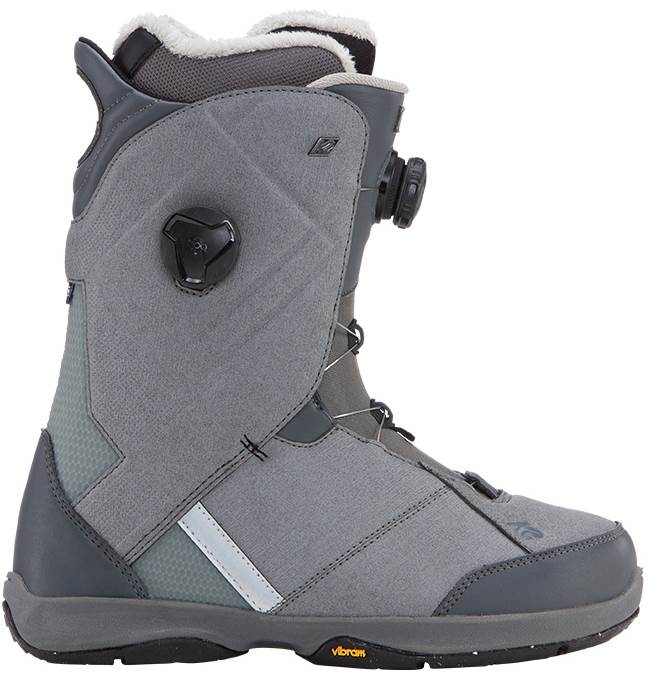
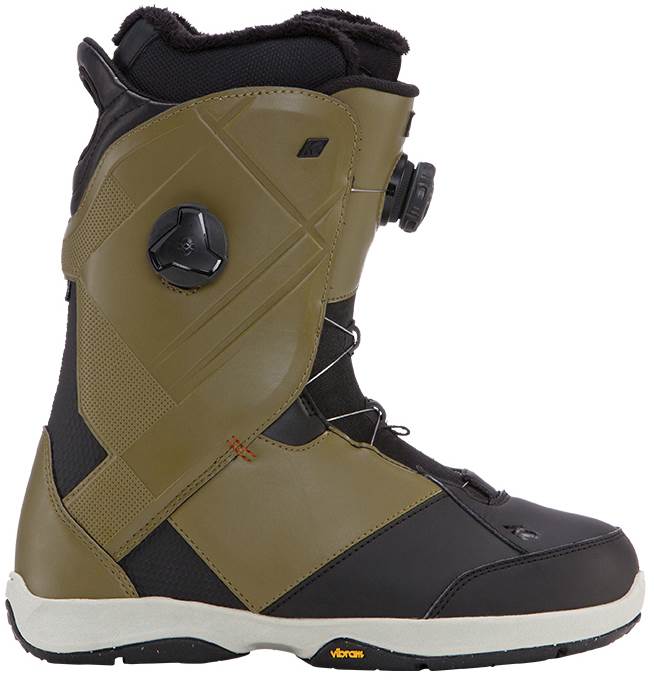
2017
2016

2015

2014


2013
2012
2011
2010
K2 Maysis User Reviews
Love Lost
After an extensive search and trying on a ton of boots, I finally went with the Maysis, I thought I absolutely loved them. I even dealt with a boa break after the first couple of days, receiving a replacement from the factory. Oh well.. shit happens. The boots were snug right off the bat I downsize considerably, and very responsive and I thoroughly enjoyed the boots. I thought I finally found the right boots after years of disappointments.
With just 20days or so on them, the next season has come around and suddenly I can't get the boots to fit right. Constant foot pain. The shin no longer is tight and supportive without cutting off the circulation of my foot. I am now kicking of the boot search all over again while wasting money on these boots.
Only boots comfortable in my 25 years of boarding
I have had countless boots over the years…the maysis are the first boots that are “comfortable “
Maybe the difference is that they were sized by a pro to fit me, the inner boot was heat molded to fit, as was the insert. Another way to say this is these boots were completely fitted to be comfortable.
I’ll also say I come from a generation where we had no money..mommy and daddy didn’t buy us all this stuff so we rode whatever we had and didn’t give a rats butt if our feet were comfortable. And nothing EVER matched..but I was perpetually stoked and rode, skated, surfed and biked whenever wherever
Anyway… I am now much older..and ya know…I am really diggin being comfortable…especially with all the injuries and surgeries
Yes I recommend the maysis…I’ve had these for 3 seasons now and am getting another pair this week
Too Stiff, Too Loose, Too Painful
4 years in and I've hated them since day 2.
They're super stiff but they pack down and the shin segment can never get tight enough to prevent feeling like I'm rattling around up there.
I crank the outer BOA, but then my lower foot just gets crushed. I've basically given up on the inner ankle-strap boa because my foot's already getting crushed anyway.
I suppose if you have really large calves and have an obsession with heel lift they could work for you.
Oh, and they're neither warm nor particularly waterproof. Feet are cold and liners are always soaked at the end of the day.
(Caveat that I got these after ~12 years off and my previous boots were super squishy Vans Jamie Lynn from the late 90s)
Where To Buy
No obligation, but these links support the site.
Sun & Ski Sports
evo
REI
Tactics
Backcountry
More stores to buy from:
Sun & Ski Sports
evo
REI
Tactics
Backcountry
Outdoor Gear Exchange
PRFO Sports Canada
More stores to buy from:
PRFO Sports Canada
Sun & Ski Sports
evo
REI
Tactics
Backcountry
No Results Found
PRFO Sports Canada
Where To Buy
No obligation, but these links support the site.
Sun & Ski Sports
evo
REI
Tactics
Backcountry
More stores to buy from:
Sun & Ski Sports
evo
REI
Tactics
Backcountry
Outdoor Gear Exchange
No Results Found
No Results Found