Where To Buy
No obligation, but these links support the site.
Blauer Board Shop


Sun & Ski Sports

evo
Tactics

No Results Found
No Results Found
| Riding Level | Beginner - Intermediate |
| Lacing Type | Speed Lace |
| Manufactured in | China |


|
|
|
|
|
|
|
|

|
|
|
|
|
|
|
|
|
|
|
|
|
|
|
|
|
|
|
|
|
|
|
|
|
|
|
Where To Buy
No obligation, but these links support the site.
Blauer Board Shop

Sun & Ski Sports
evo

Tactics
No Results Found
No Results Found
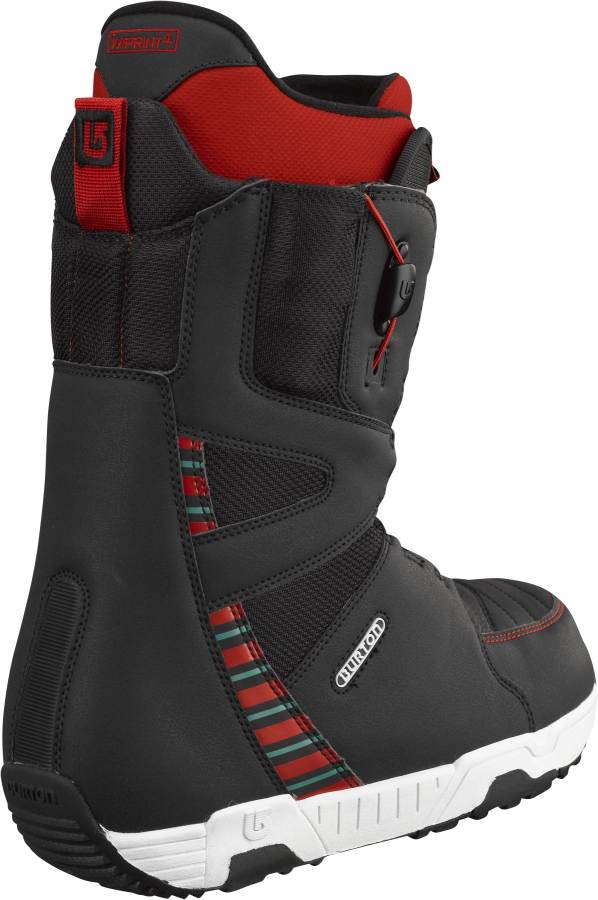
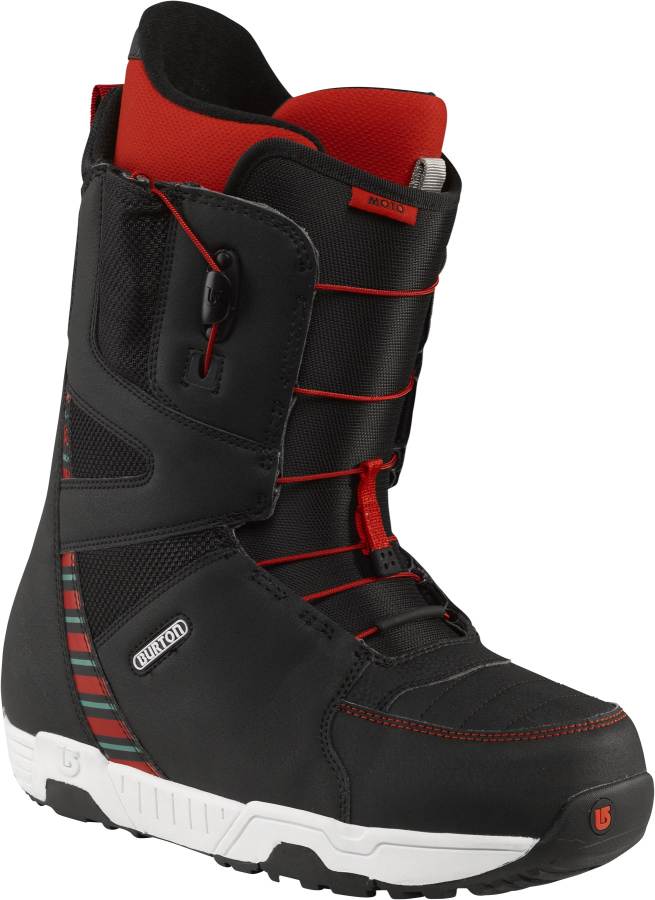
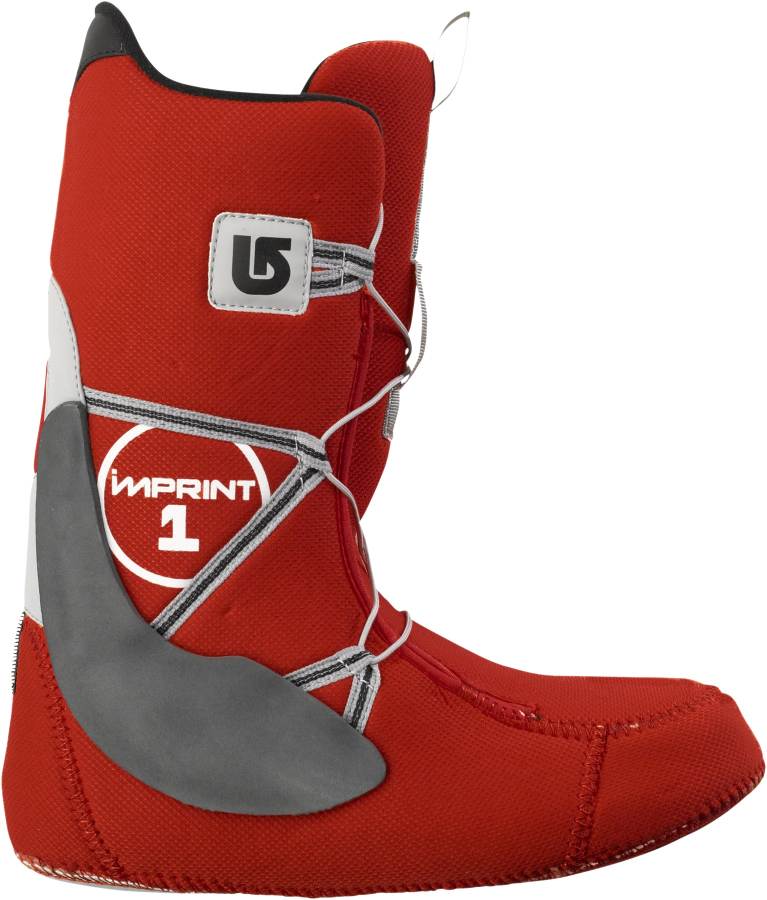
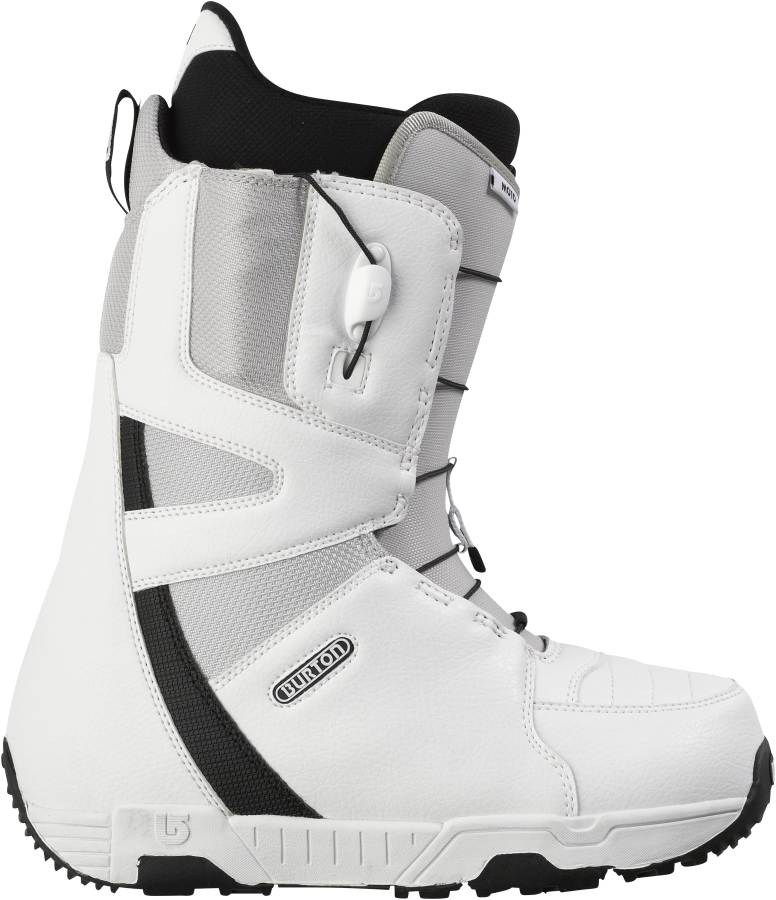
Burton Moto 2017 - 2010 Review by The Good Ride
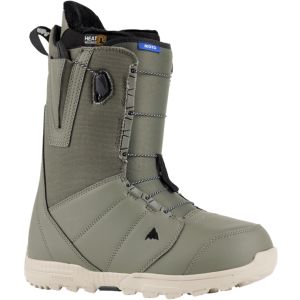
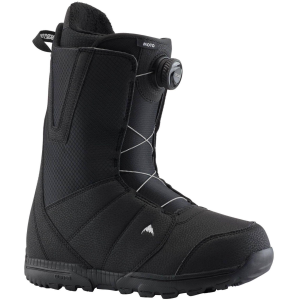
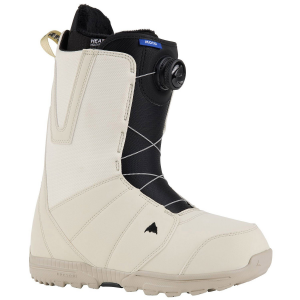
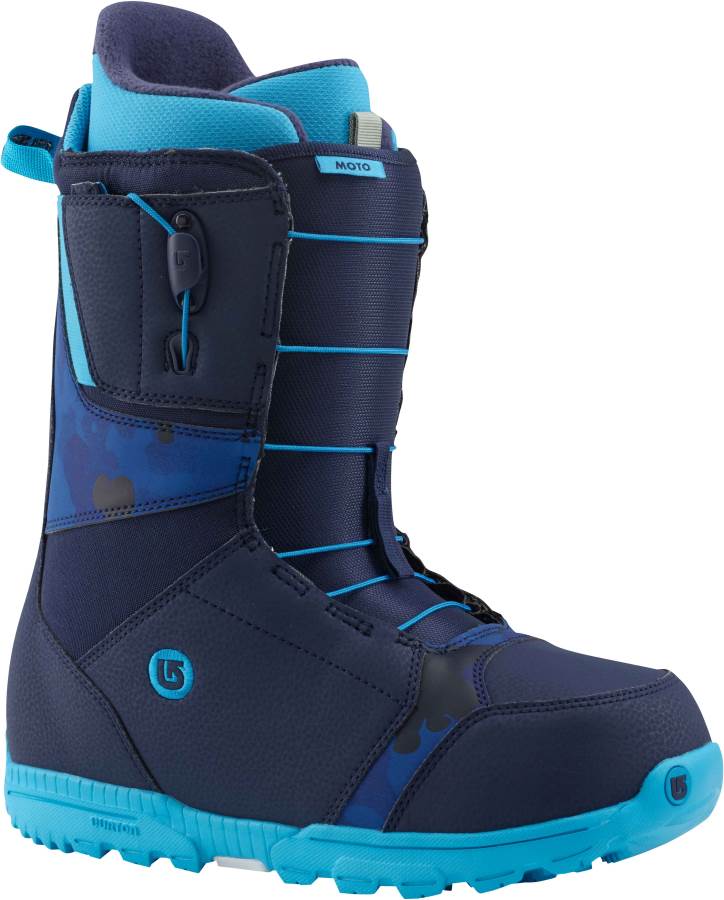
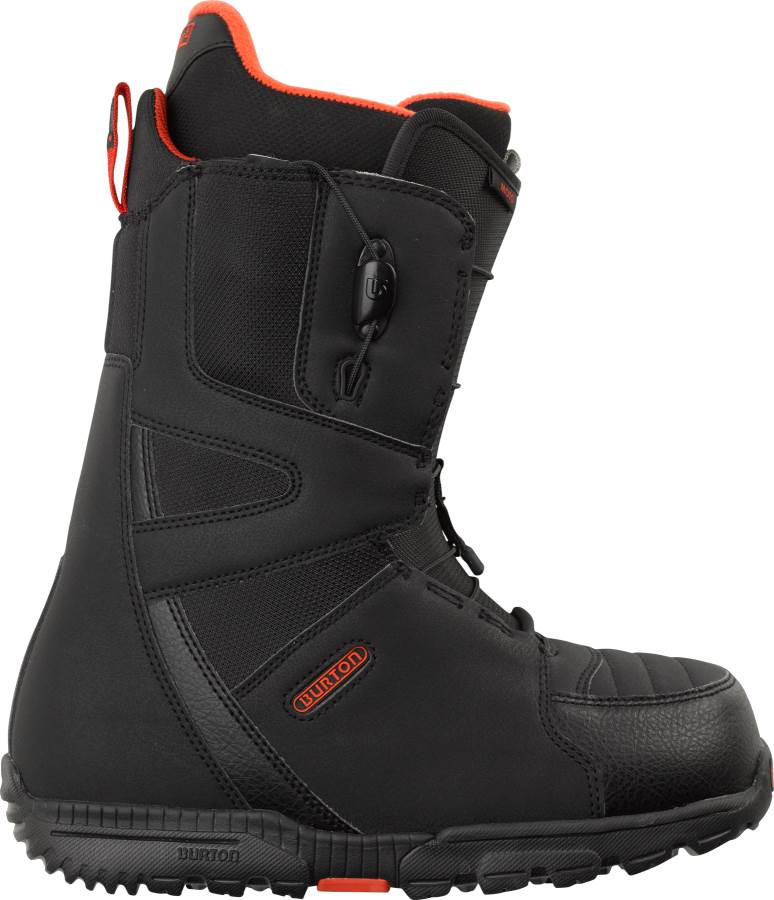
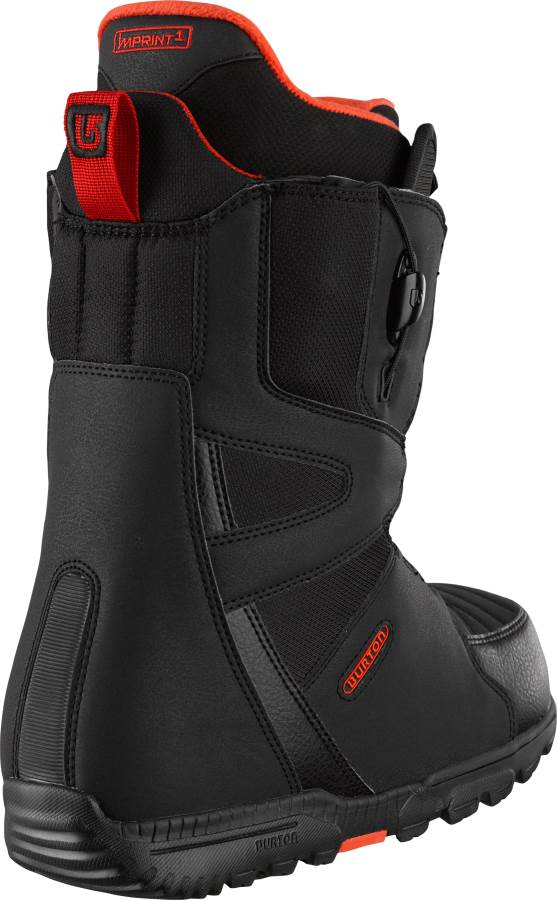
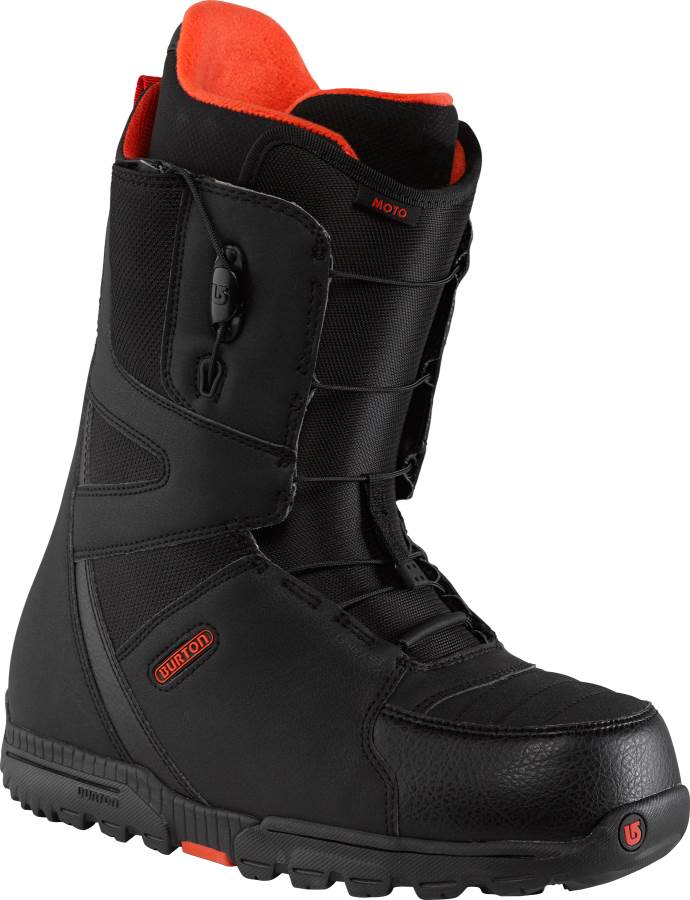
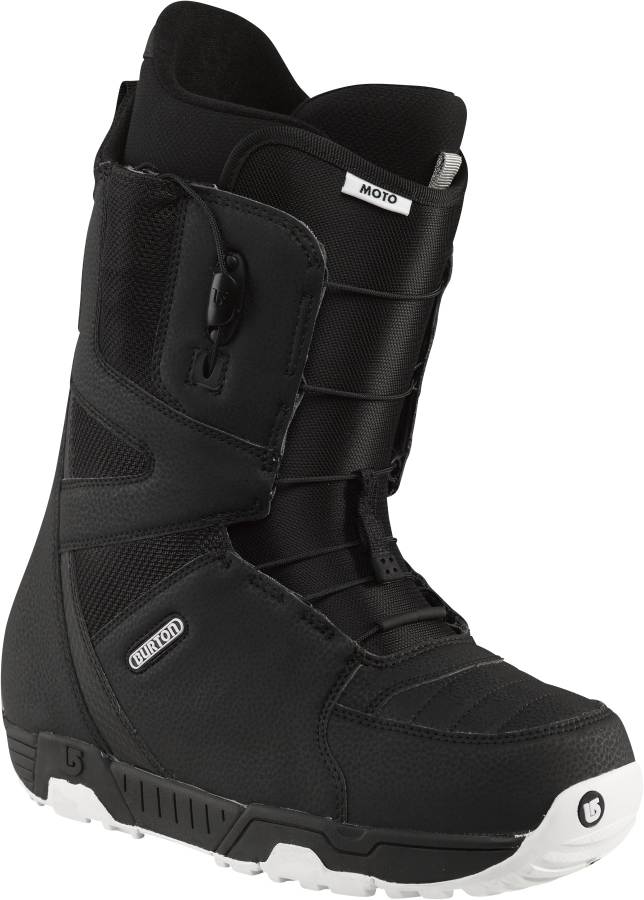
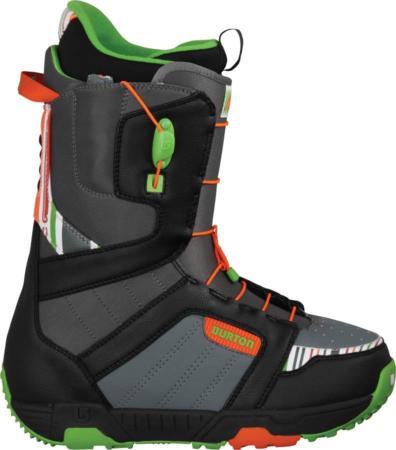
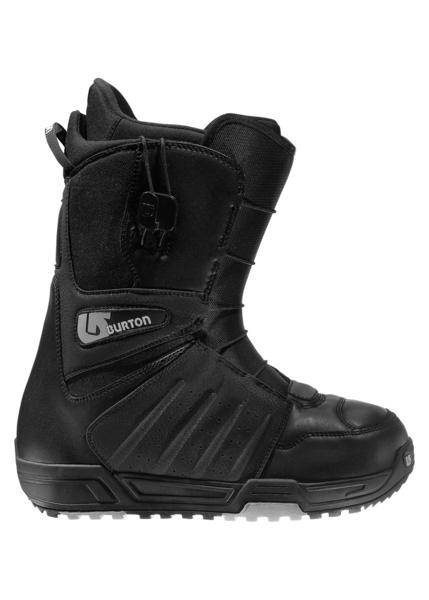
The Burton Moto has been around for a while and a great choice for a beginner or someone who wants a comfortable, soft boot that gets a few days in a year. As an intermediate boot, it’s a tough call because there are a lot of better boots but in this price range, there isn’t much that is better out there.
Ethics Statement: We don’t get paid by the manufacturer to write these reviews. No one is perfect and we do make money from the “Where To Buy” links below, but this is our best attempt at an honest and objective review from an average riders’ perspective.
James’ Foot Specs
Foot Size: Right 9 and Left 8.75
Foot Width: Right and Left between a D/E
Arch Length: Right 9.5 and Left 9
Calves (Widest Point): 17”
Calves (At top of boot): 12”
Flex: The Moto has an easy forgiving flex that’s great for beginners.
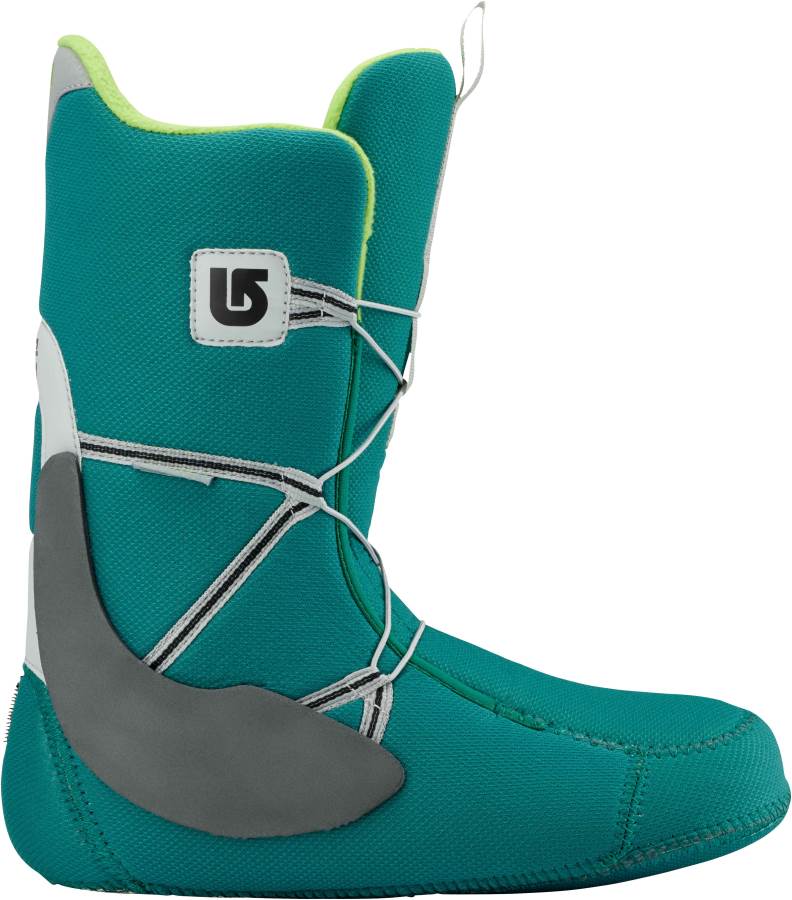
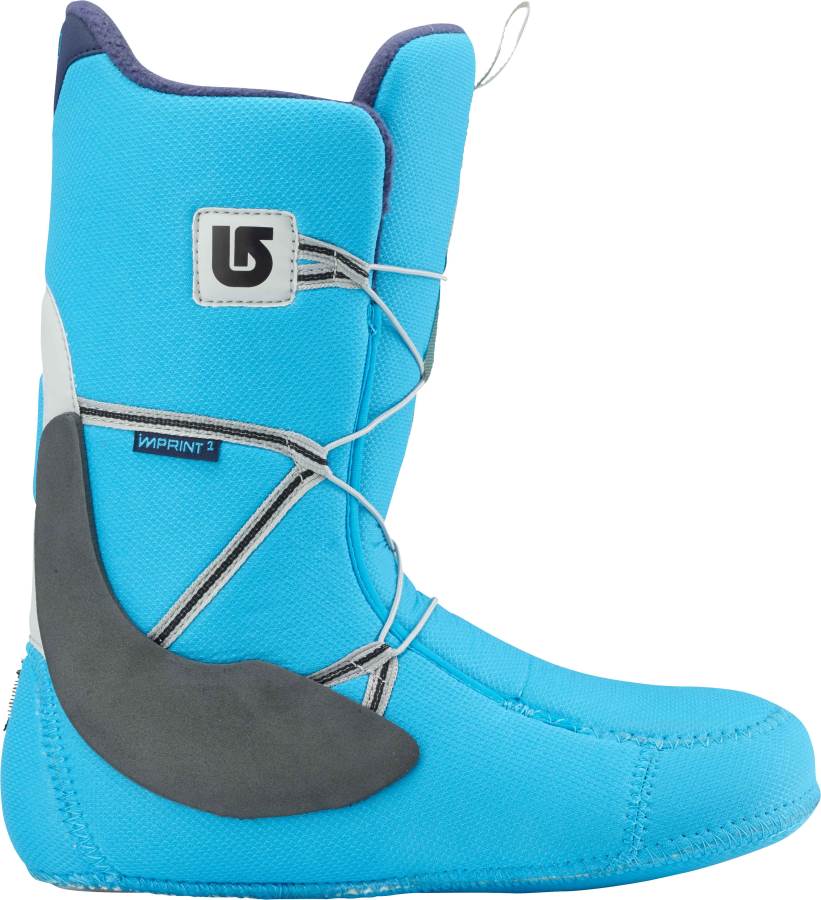
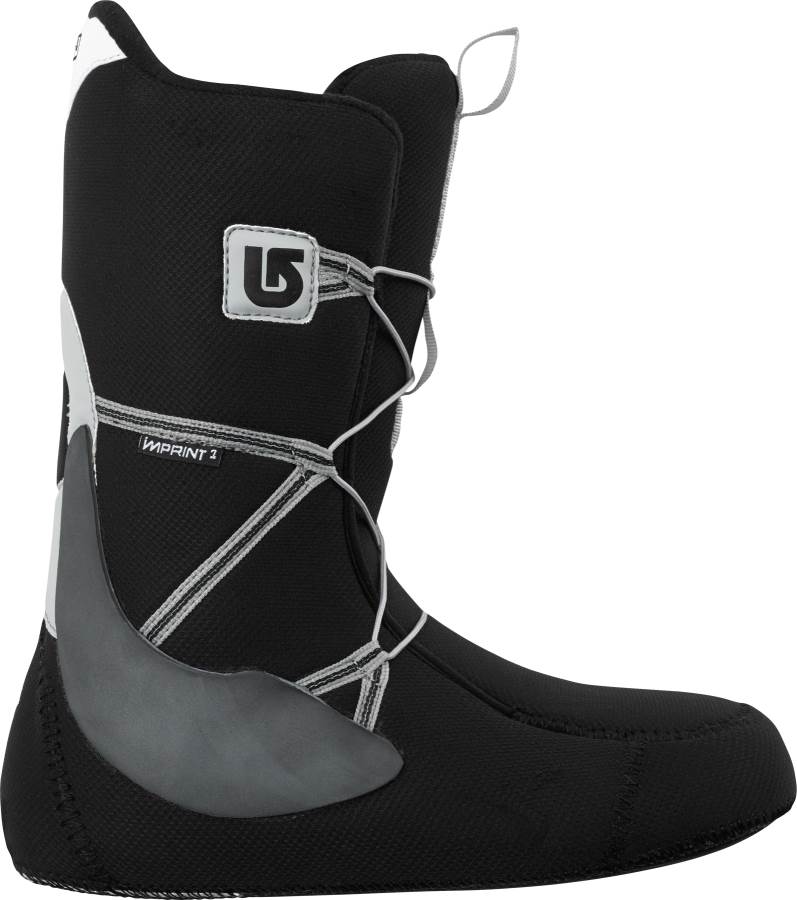
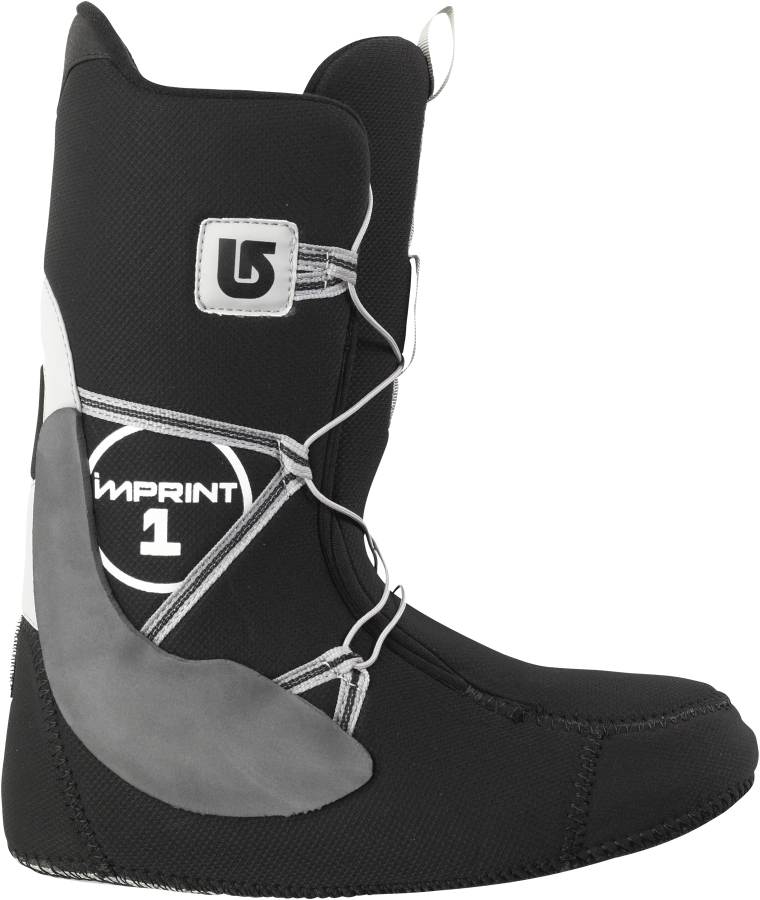
Comfort: Very comfortable and you don’t have to ride much to dial this out to your foot.
Heel Hold: There is pretty good heel hold going on and if you have some heel lift you can buy some J-Bars to lock it in more but most will be fine with this.
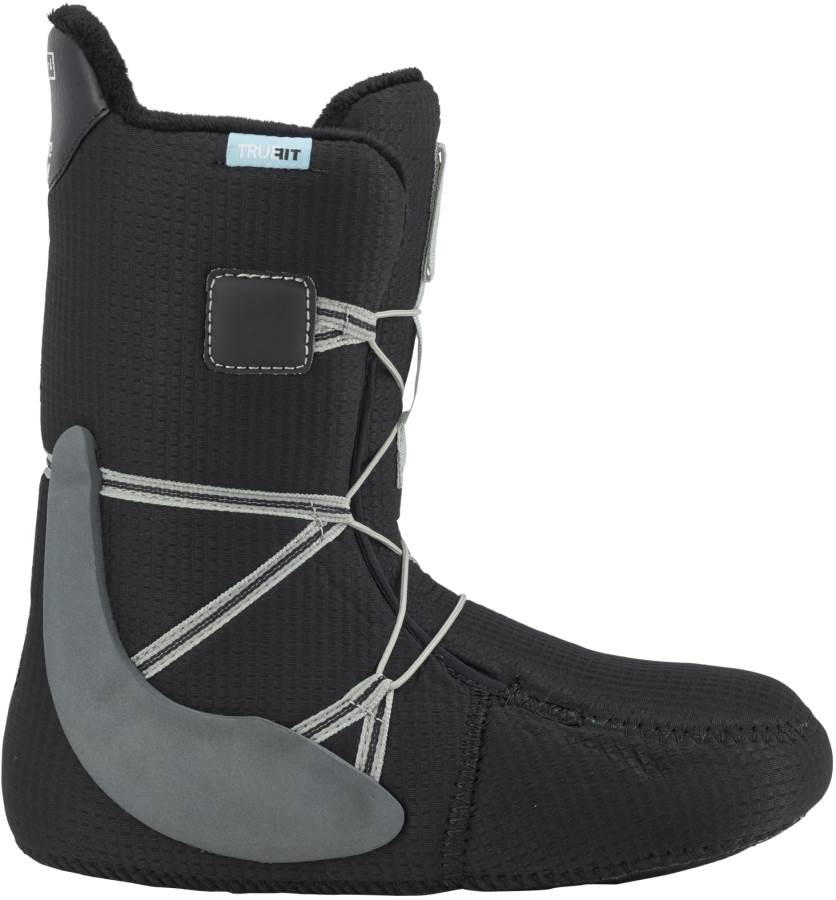
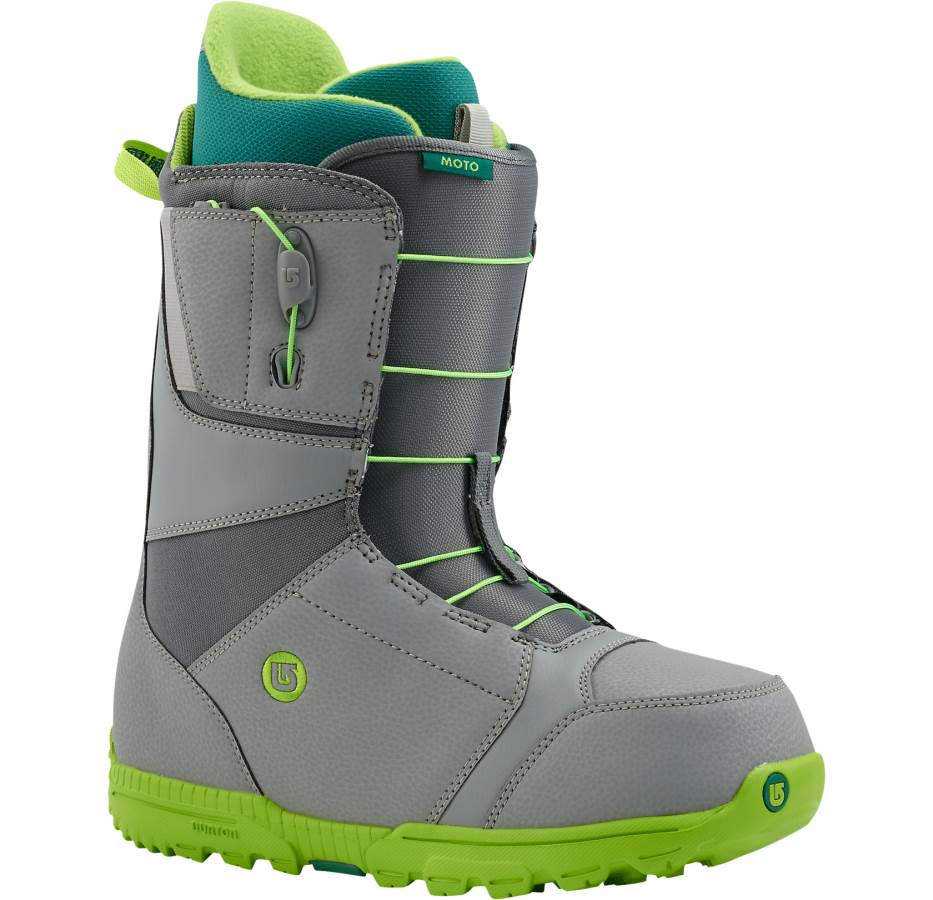
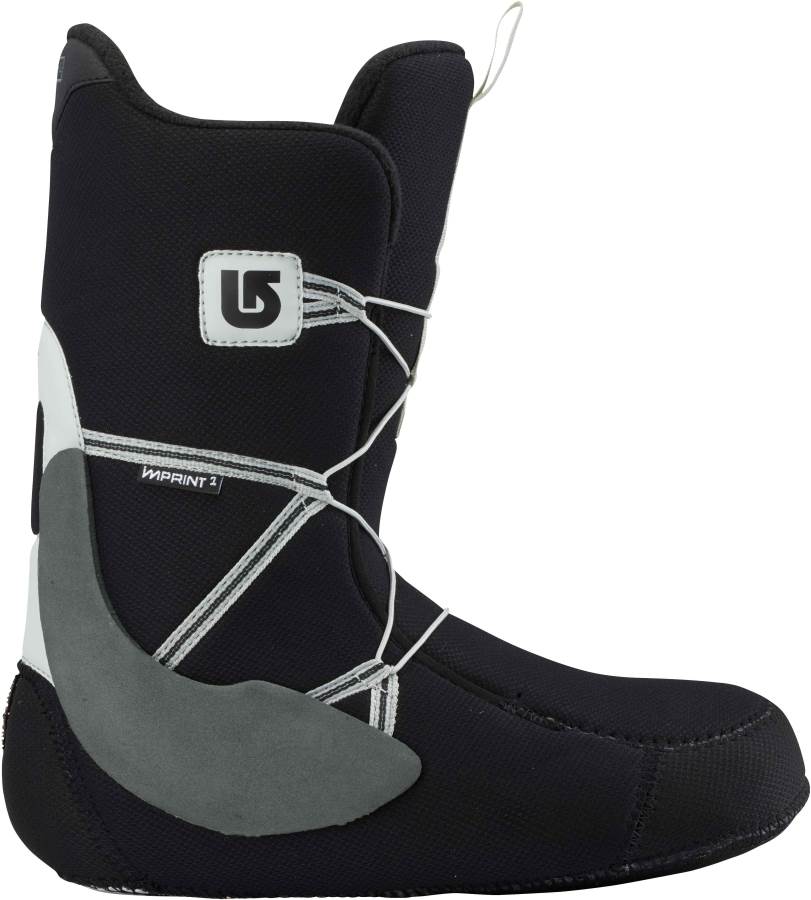
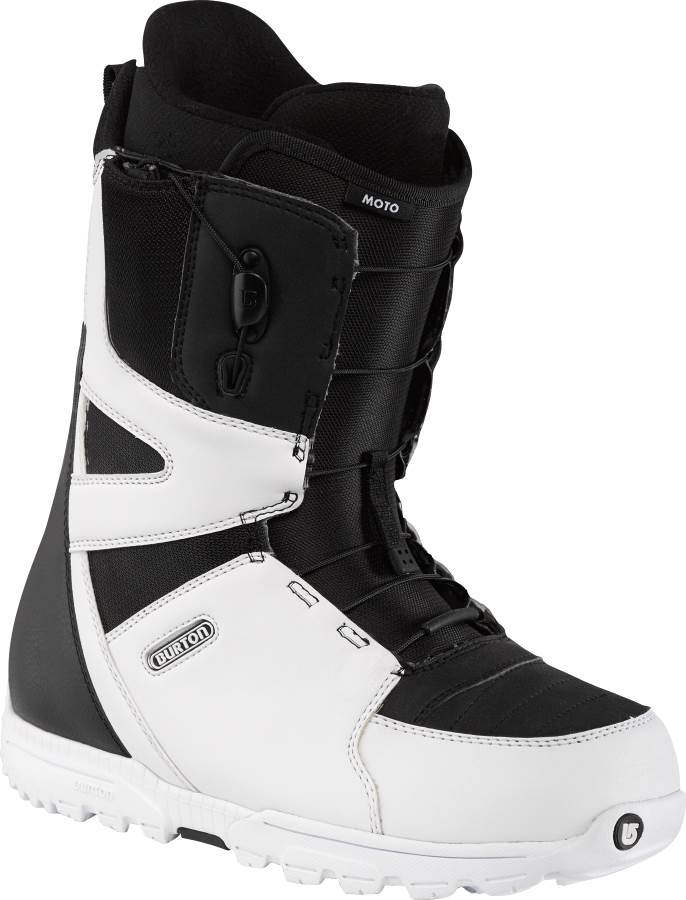
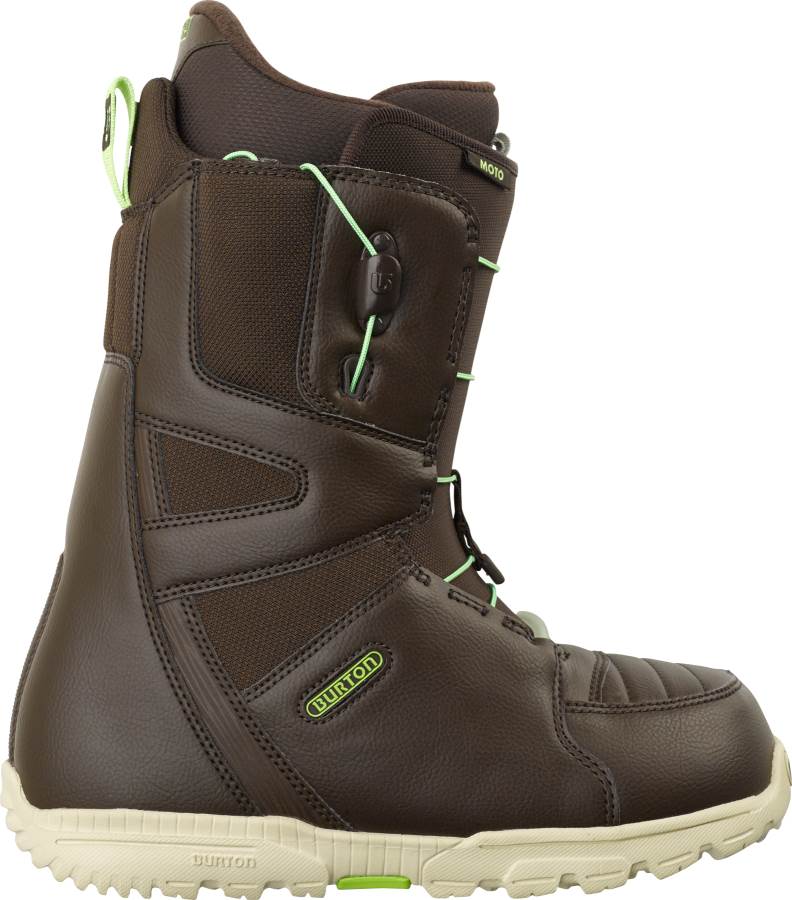
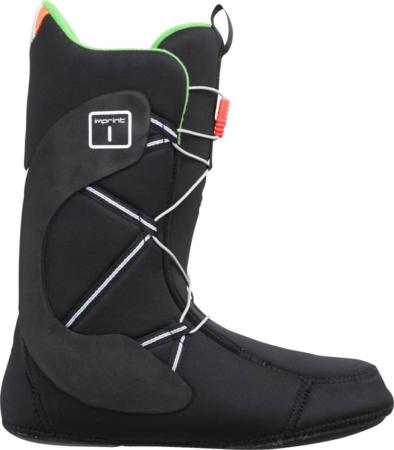
Adjustability: The Moto is a very well liked entry level because you get quick and easy lacing through their Speed Lacing system.
Flex Retention: The 2014+ Burton Moto has a little more flex retention than past years thanks to a little articulation in the ankle. It’s not much but it helps a bit.
Turn Initiation: The Burton Moto Boot isn’t really about response but it has a little bit of flex going on to turn easier boards.
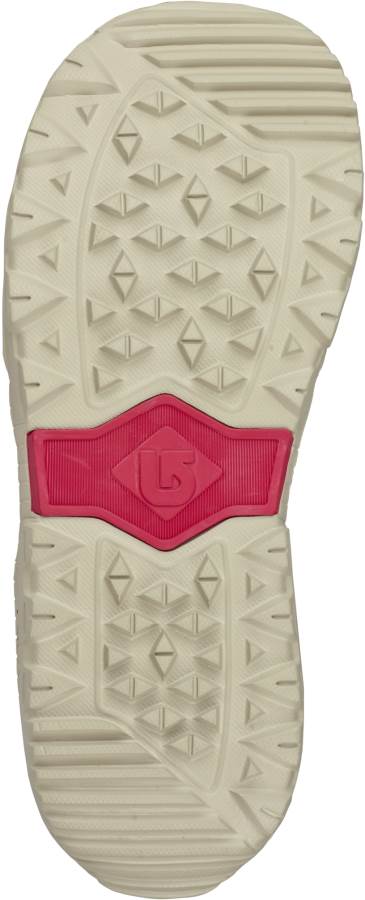
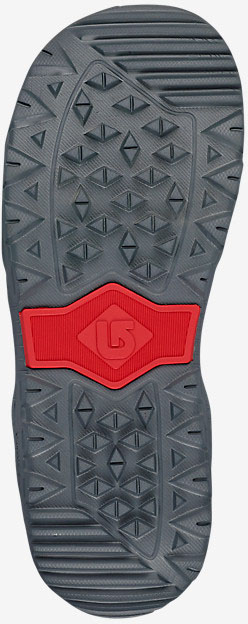
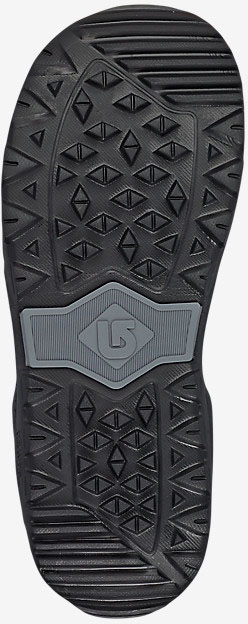
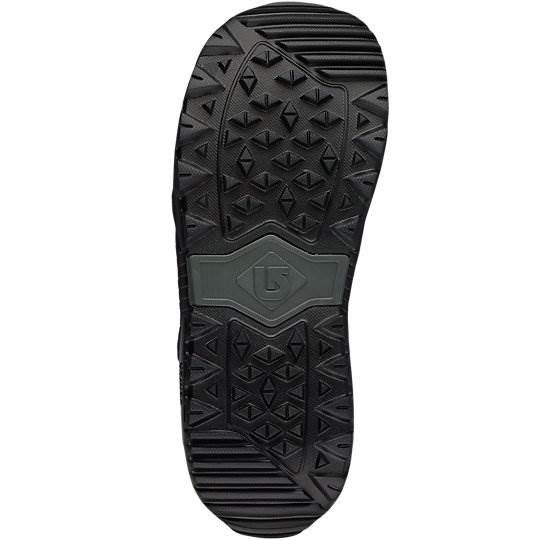
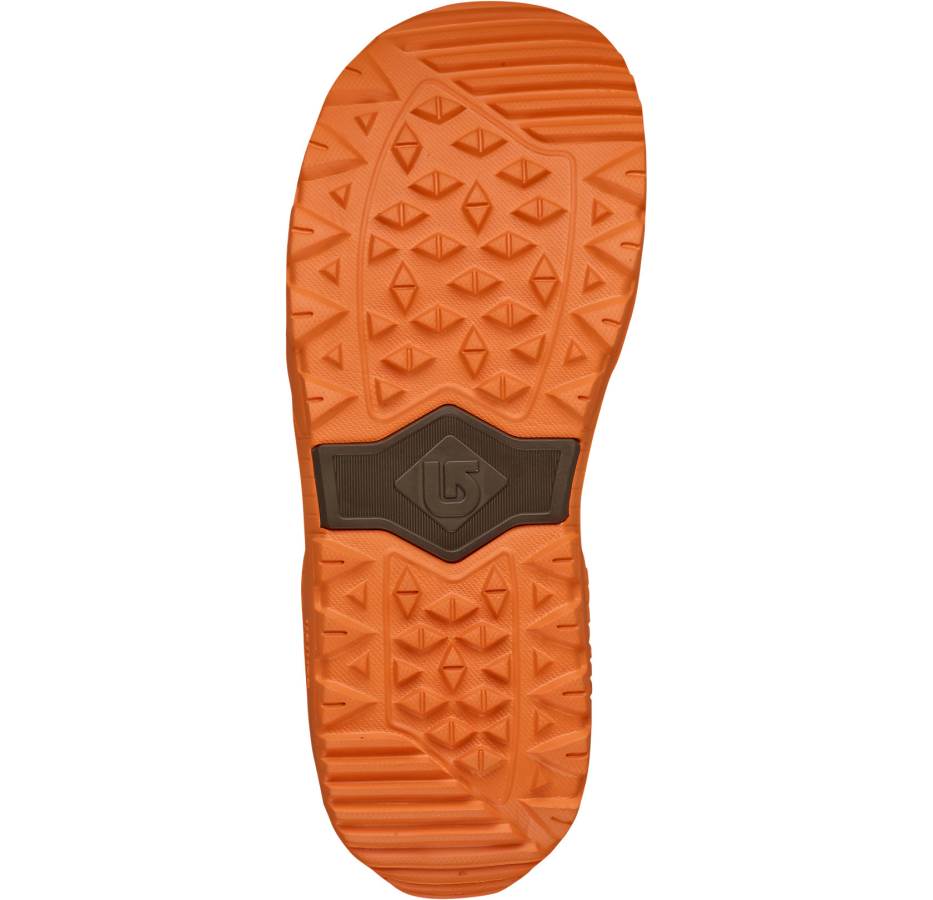
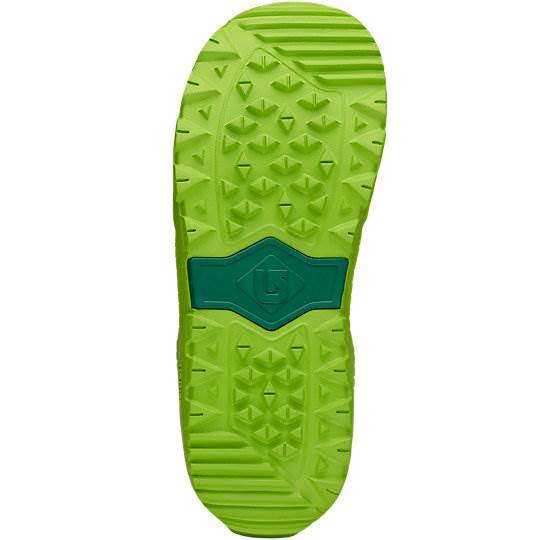
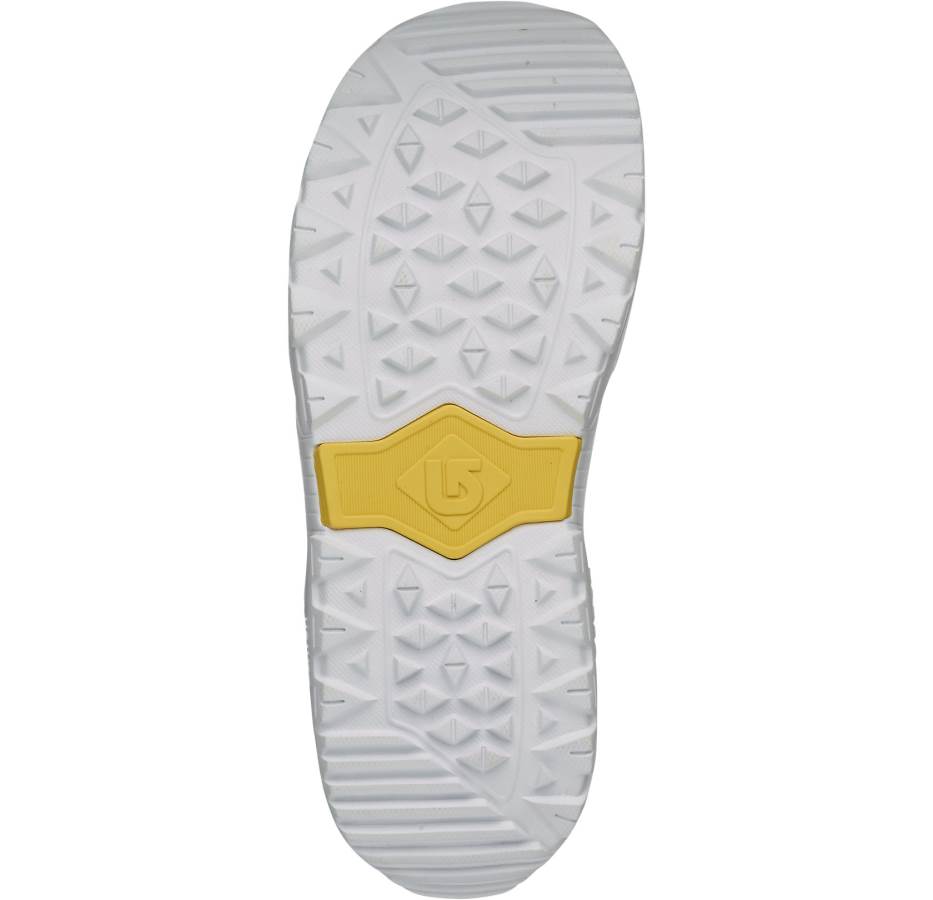
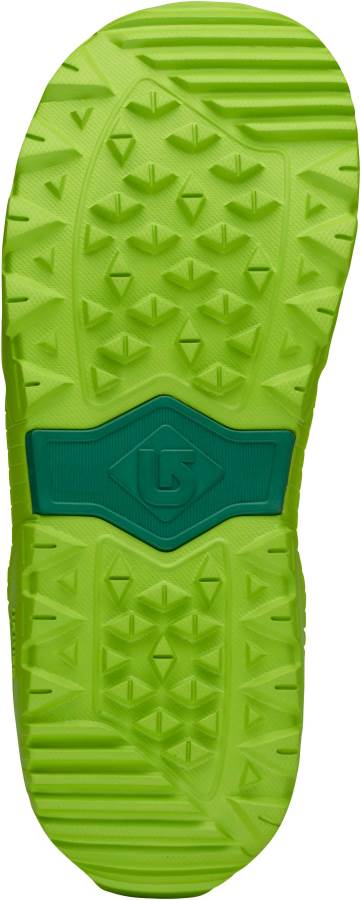
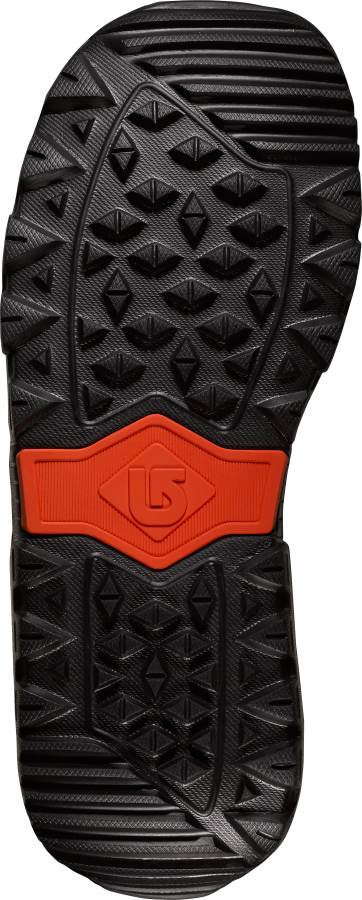
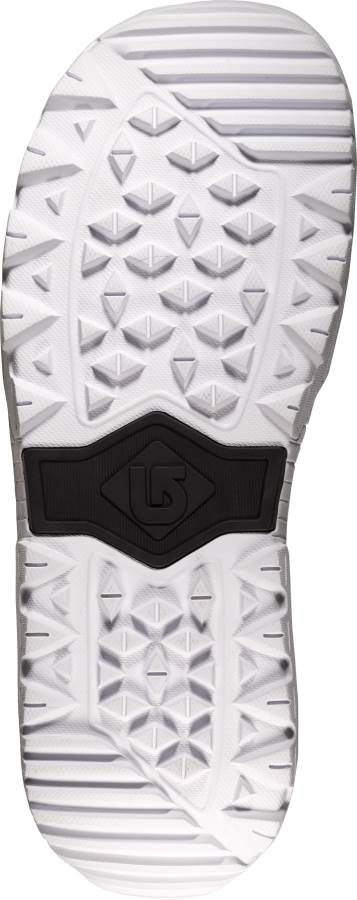
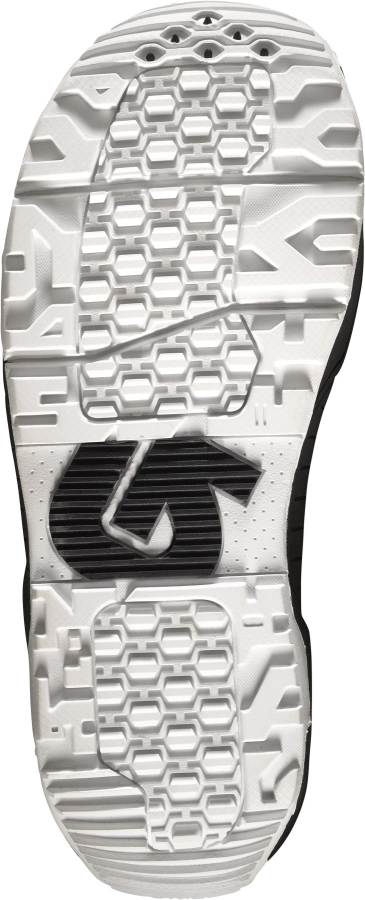
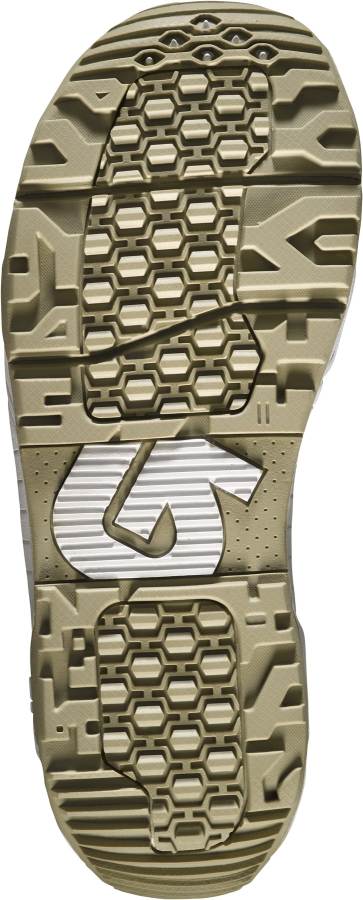
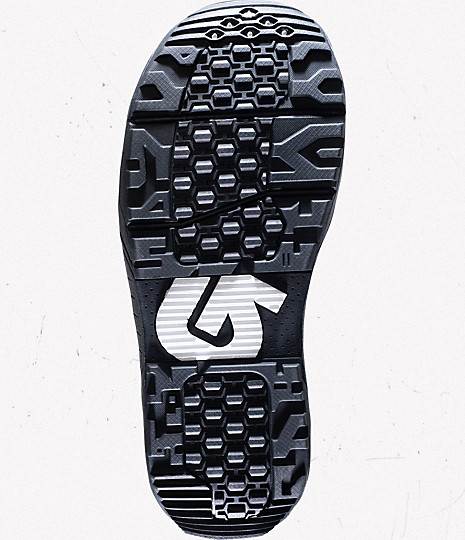
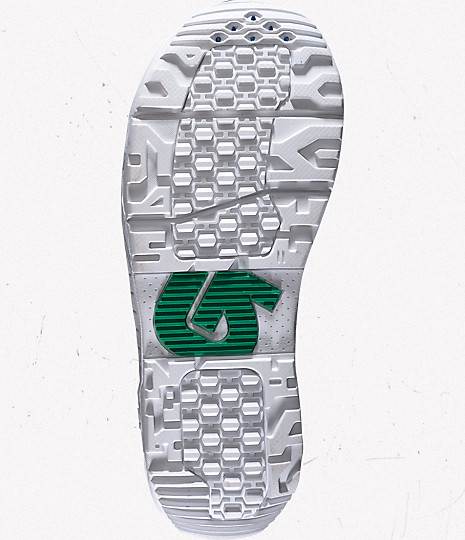
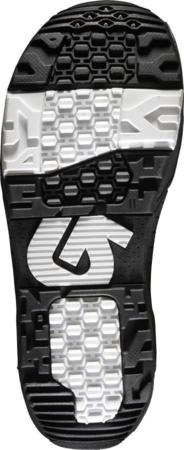
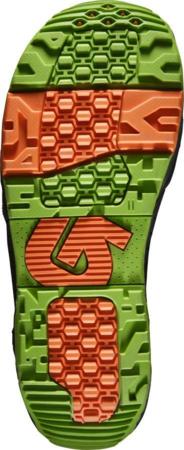
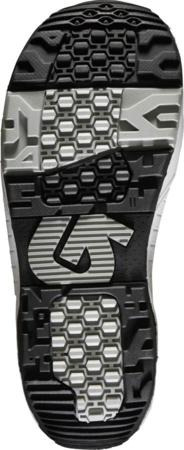
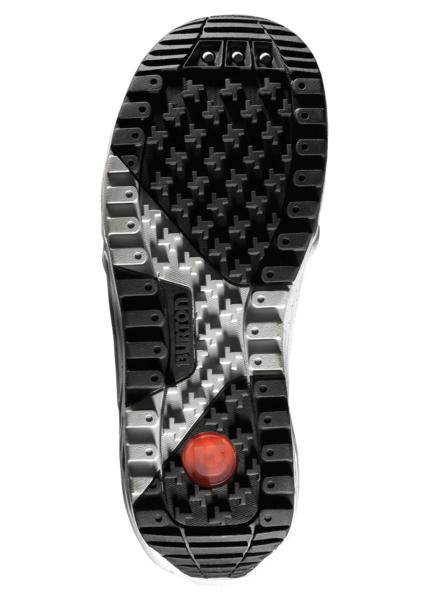
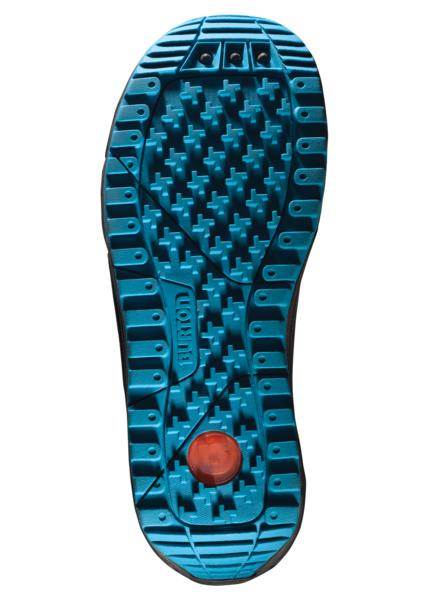
Traction: Nothing great and the single mold EVA foam isn’t good on hard to icy snow. It just doesn’t have the grip that rubber has but that is what you mainly see these days in this price range. I’d pay $20 more to have rubber on the bottom and EVA in between. It would make this even more recommendable than it is now for the price range.
Shock Absorption: Great shock absorption and it’s fine for a flat landing or 2.
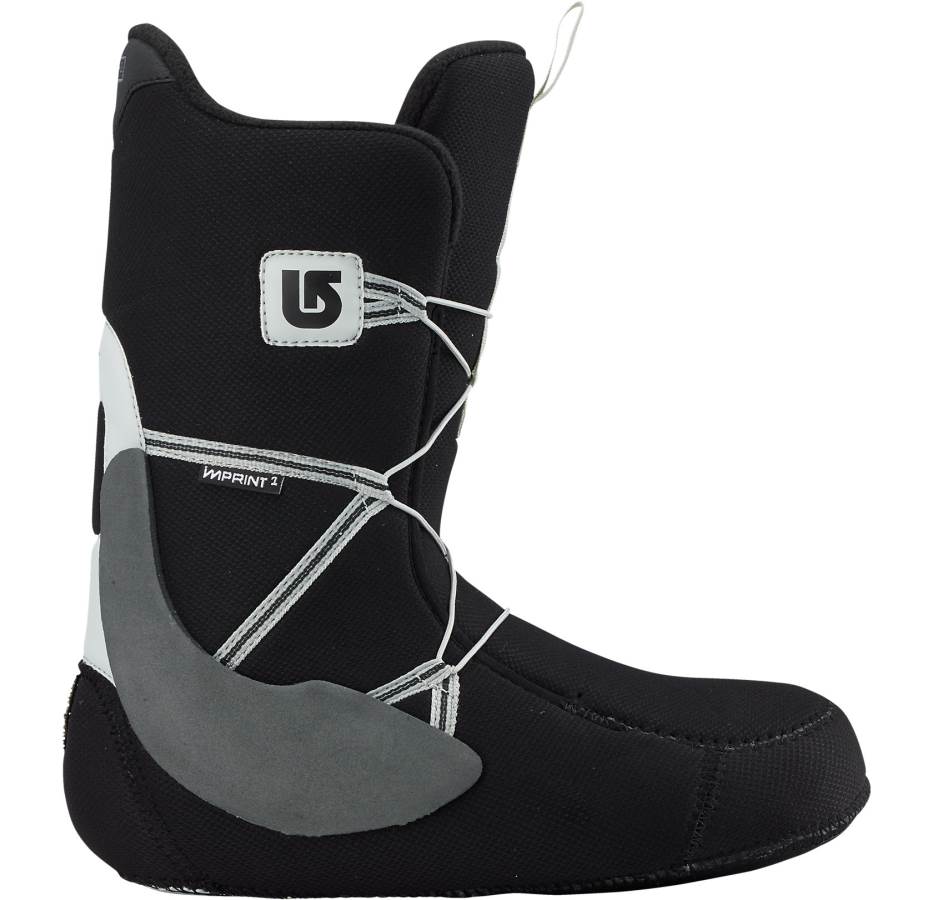
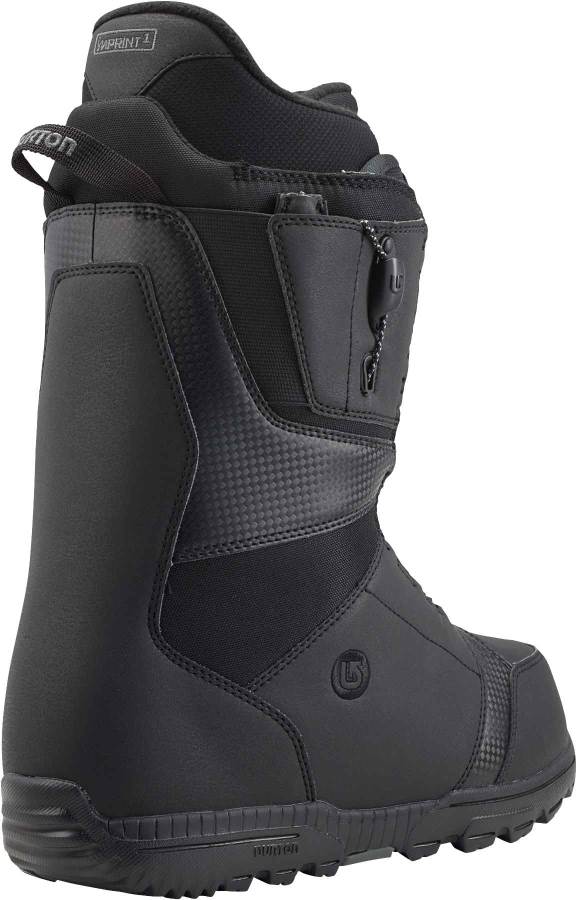
Footprint: Burton’s footprint is almost a full size smaller on the outside but the same size on the inside. So a size 10 boot is still a size 10 on the inside but more like a size 9 on the outside. This really reduces toe drag and Burton is the best in the industry when it comes to this. The warmth and feel of the ride are unaffected and all you have is a bootless likely to catch the snow on a hard turn or in steep terrain. This is great for those that have big feet, ride narrow waist boards or are in between the board and binding sizing.
On & Off Ease: Very easy on and off. It’s faster than BOA getting it on and making quick adjustments but it’s a little bit slower getting them off. Still really fast.
Burton Moto Past Reviews
2013 and Below Review of the Burton Moto
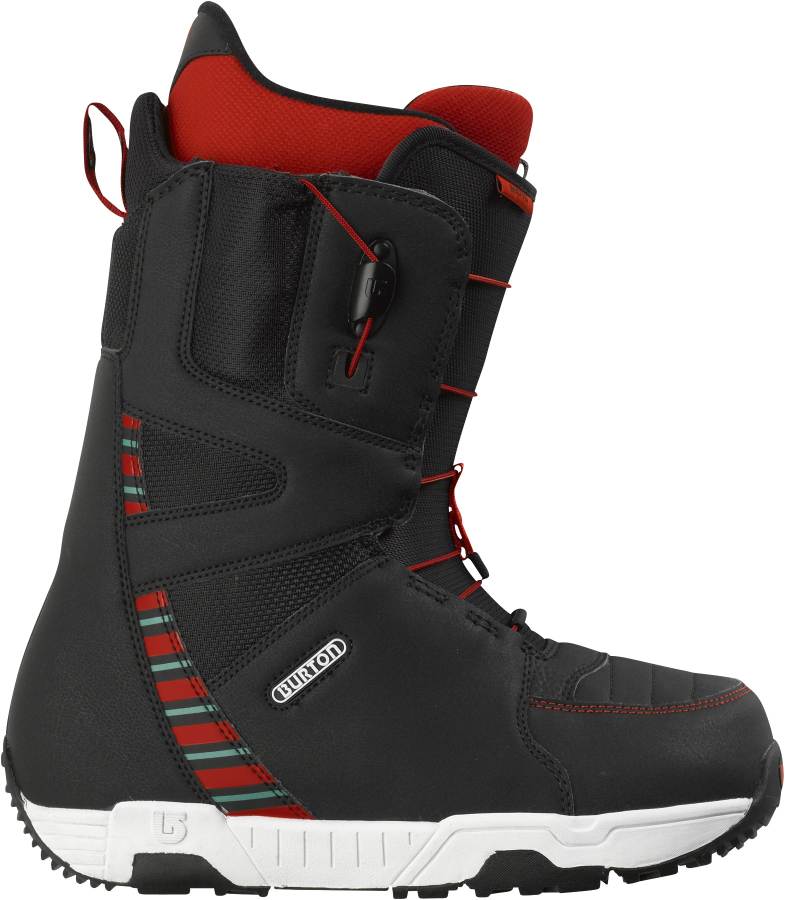
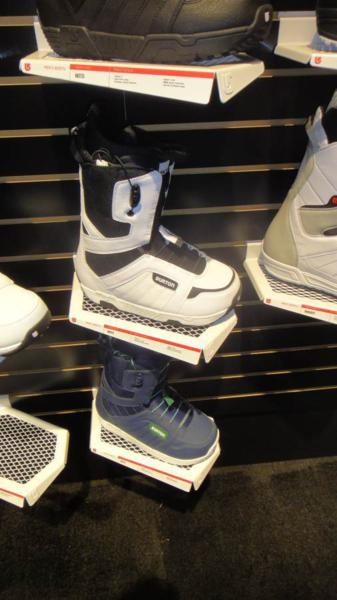
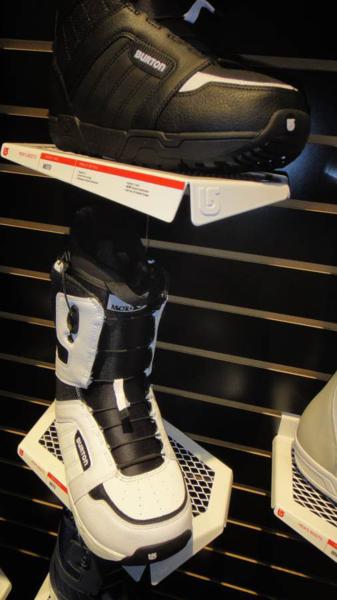
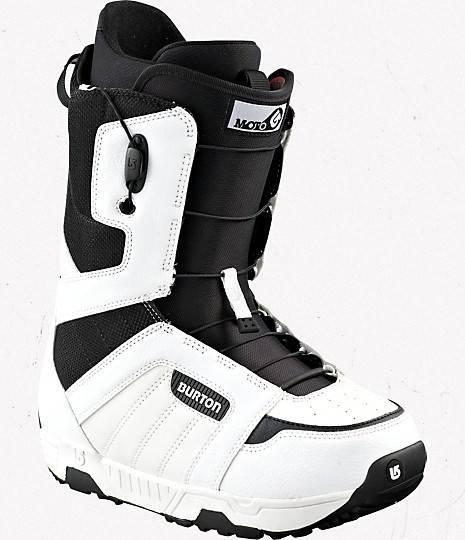
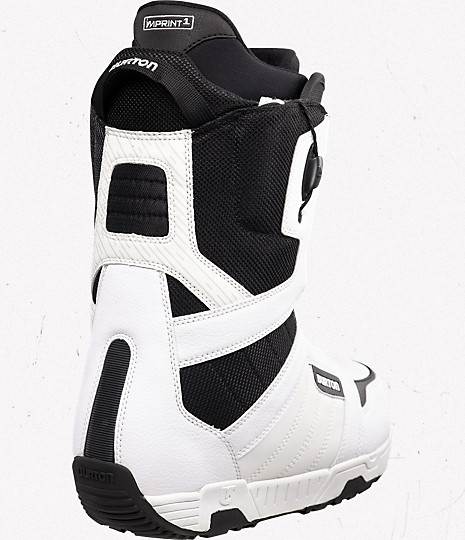
It’s gone speed lace in 2010 and 2011 to make it a good choice for beginners. In 2010 all Burton boots including the Moto are much softer. For 2011 Burton Burton brought back the stiffness and support that they offered in 2009 and also reduced the footprint so a size 11 is more like a size 10 on the outside. Don’t get us wrong because any model of the Moto is incredibly soft but in 2011 the flex rating is back in line with the industry standard for softness. For 2012 the Moto has made some small improvements but it’s pretty similar to 2011. The Moto is a good beginner boot that will be forgiving and comfortable and that is all you can ask for a beginner boot.
Burton Moto Specs
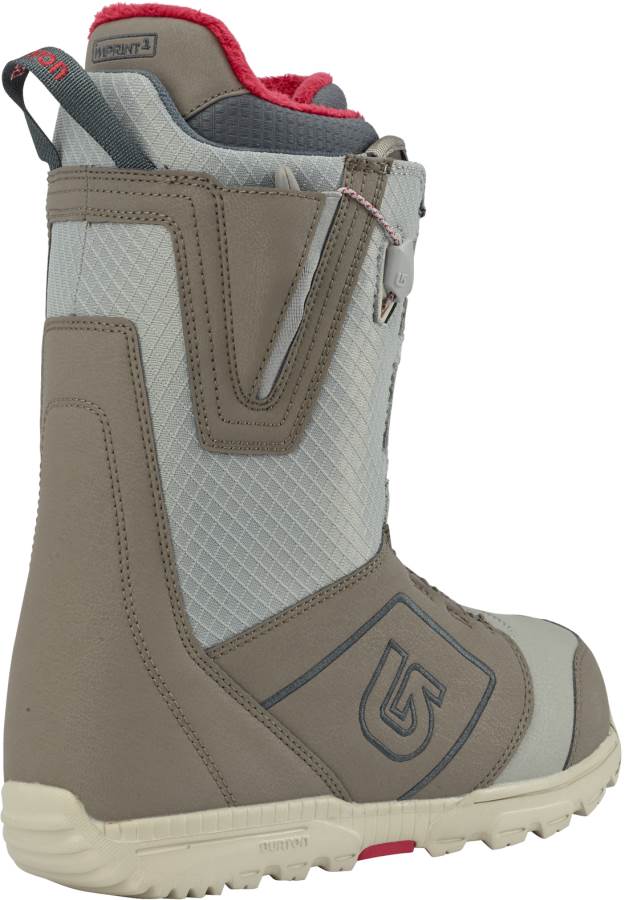
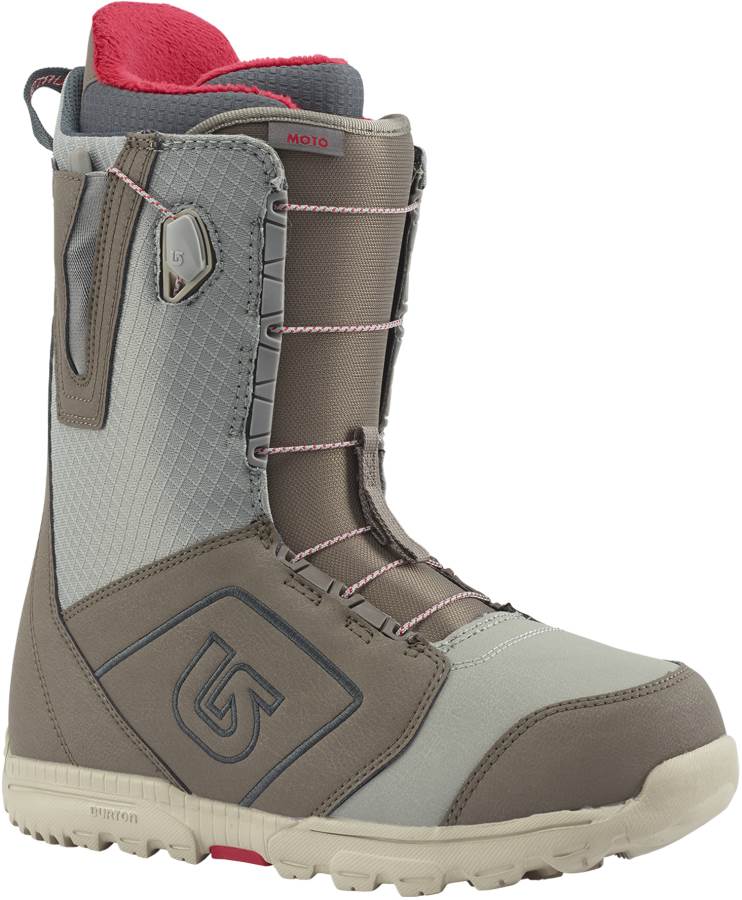
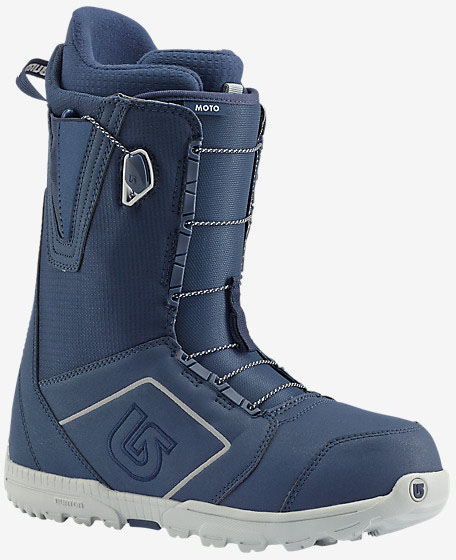
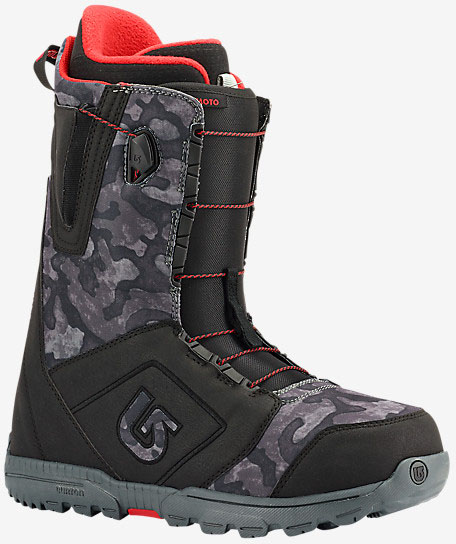
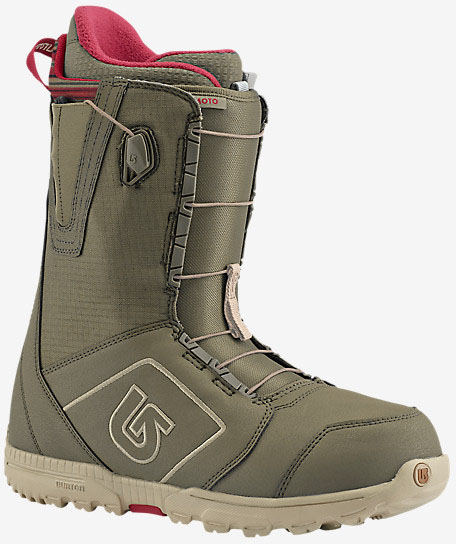
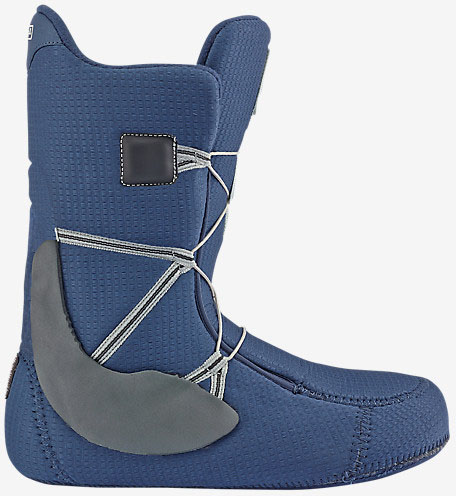
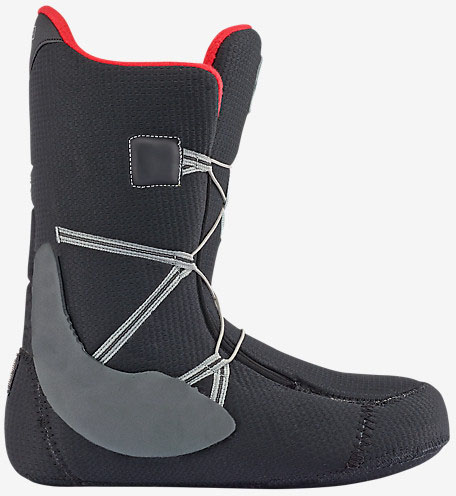
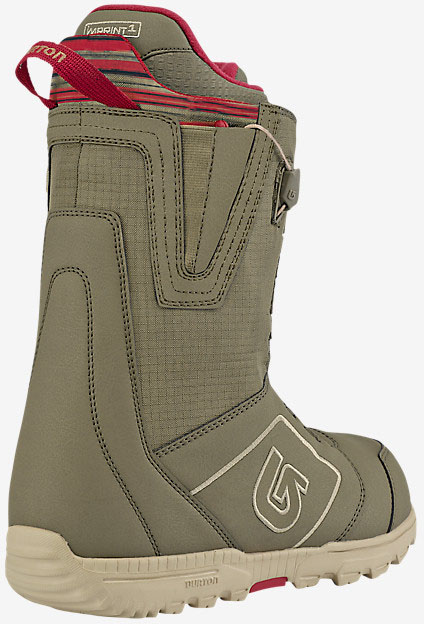
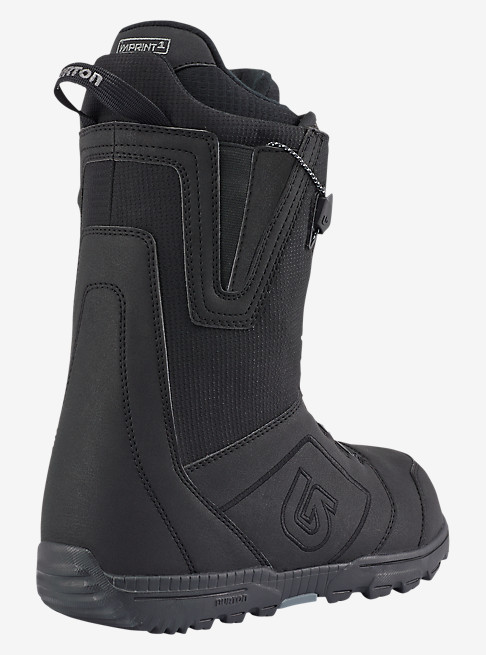
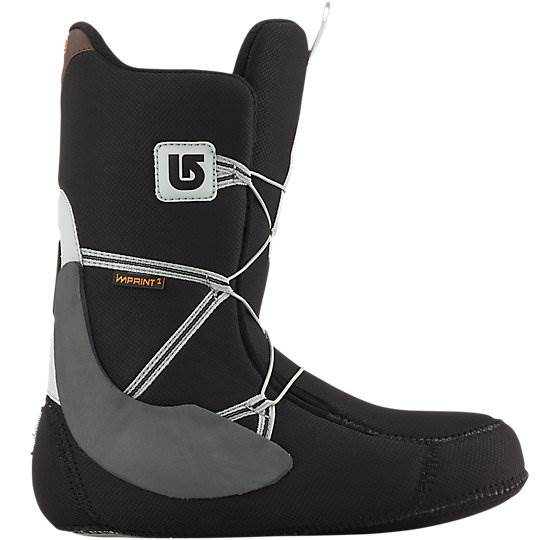
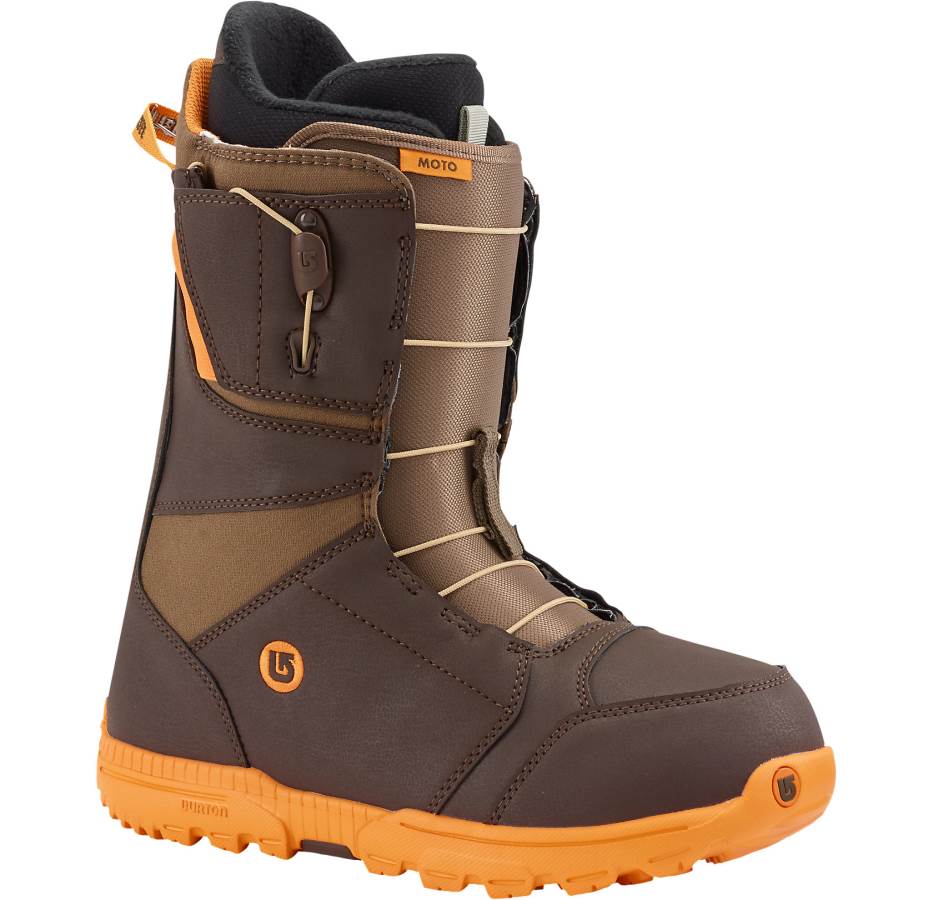
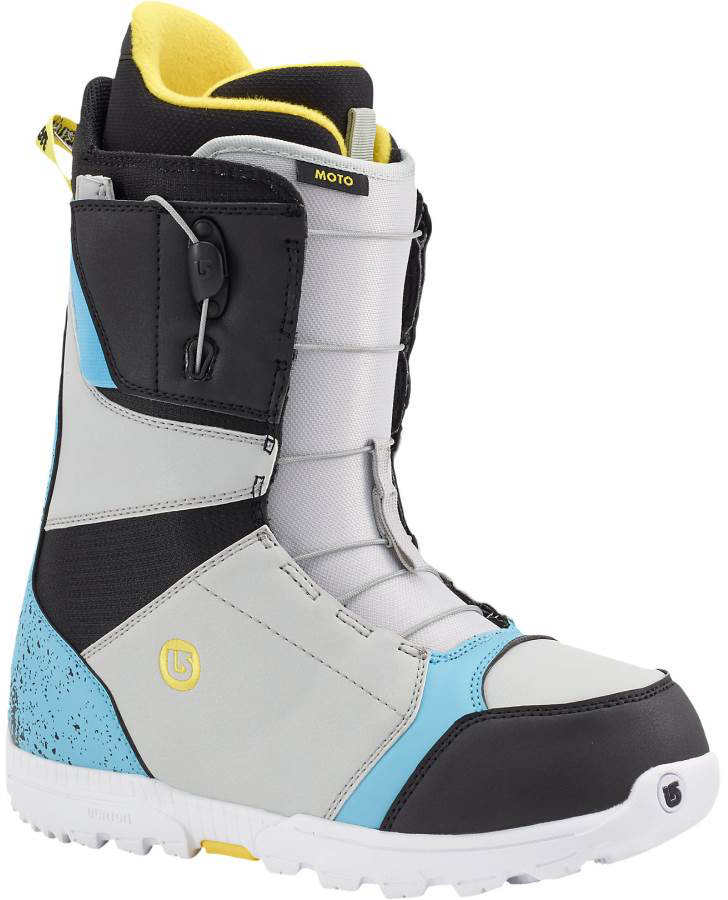
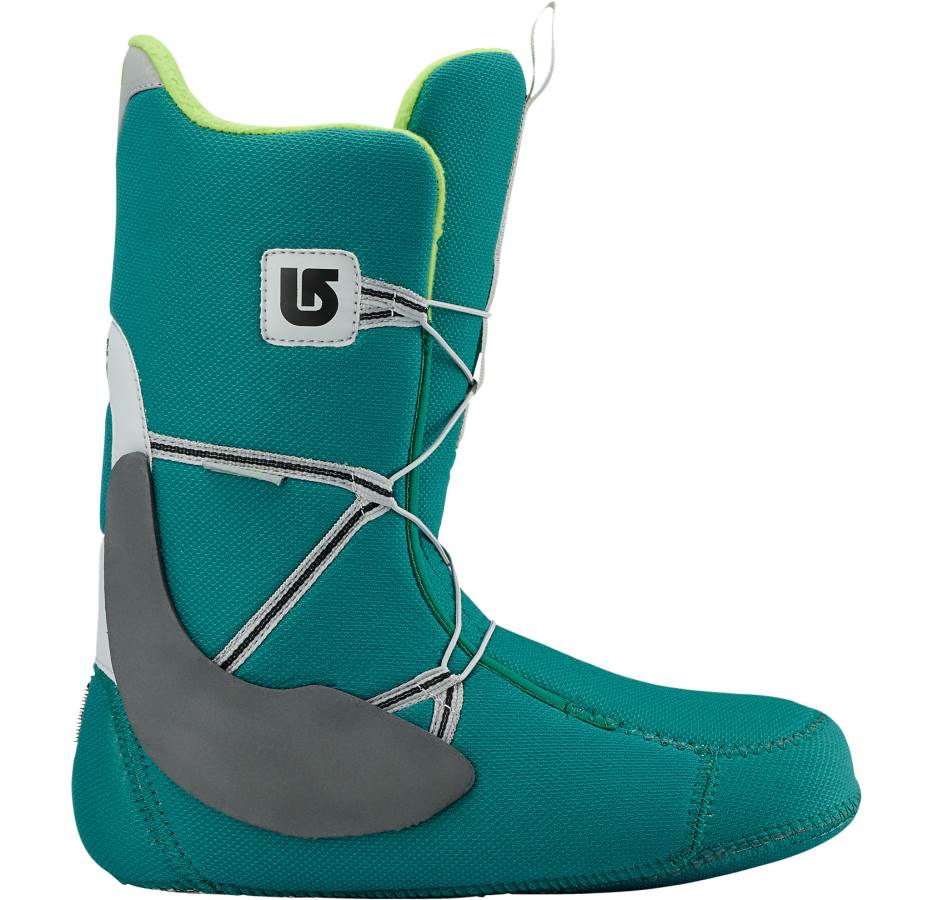
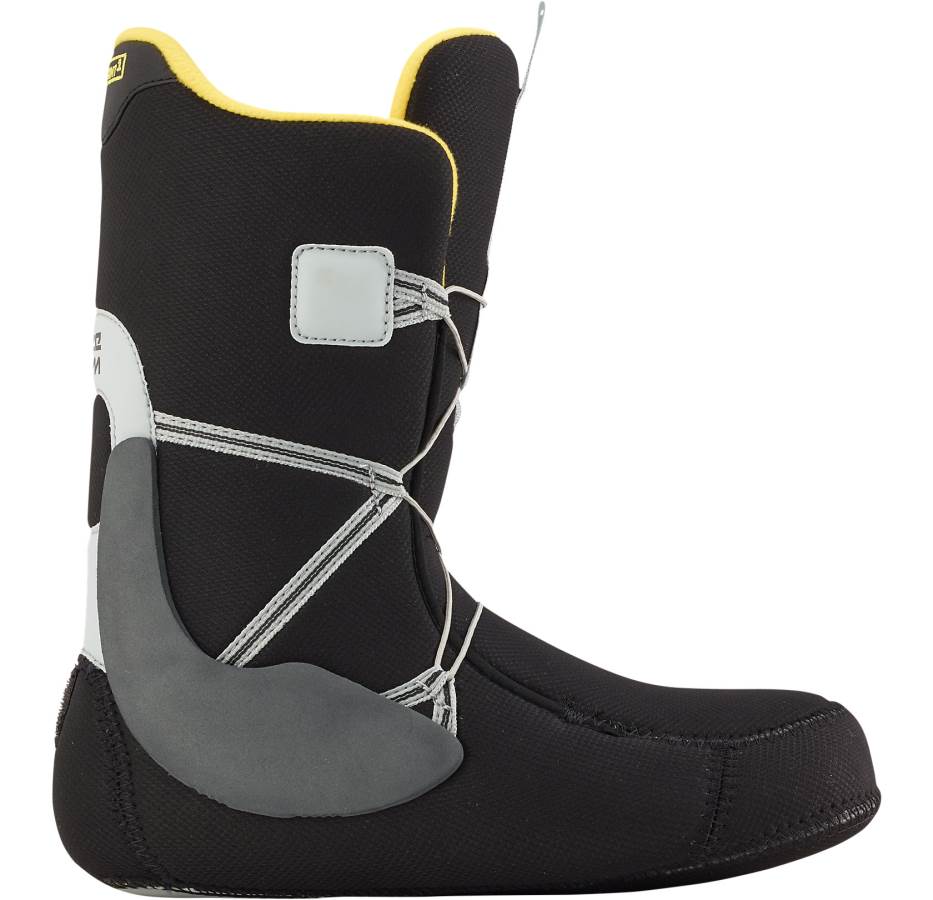
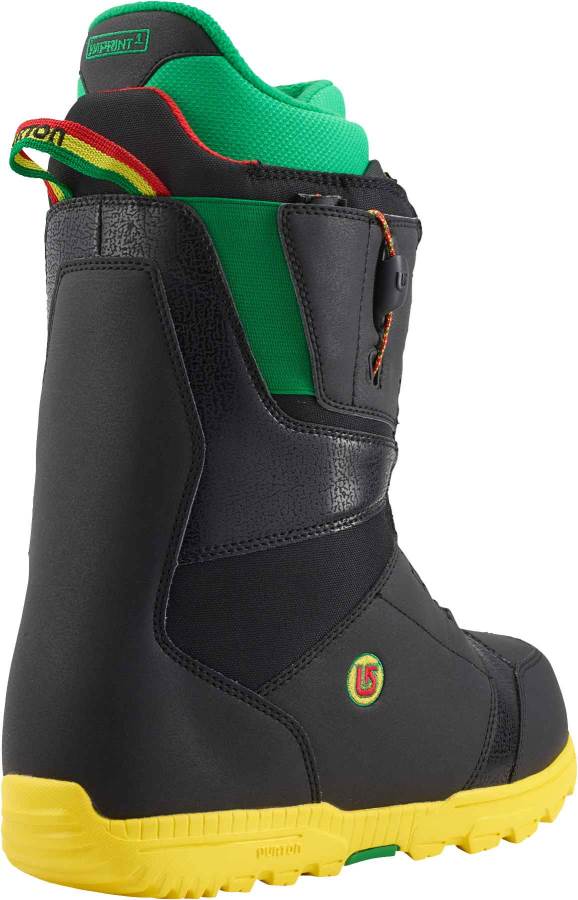
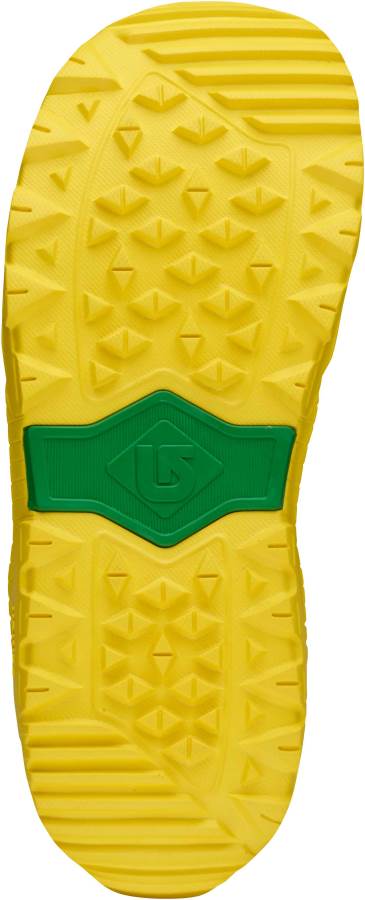
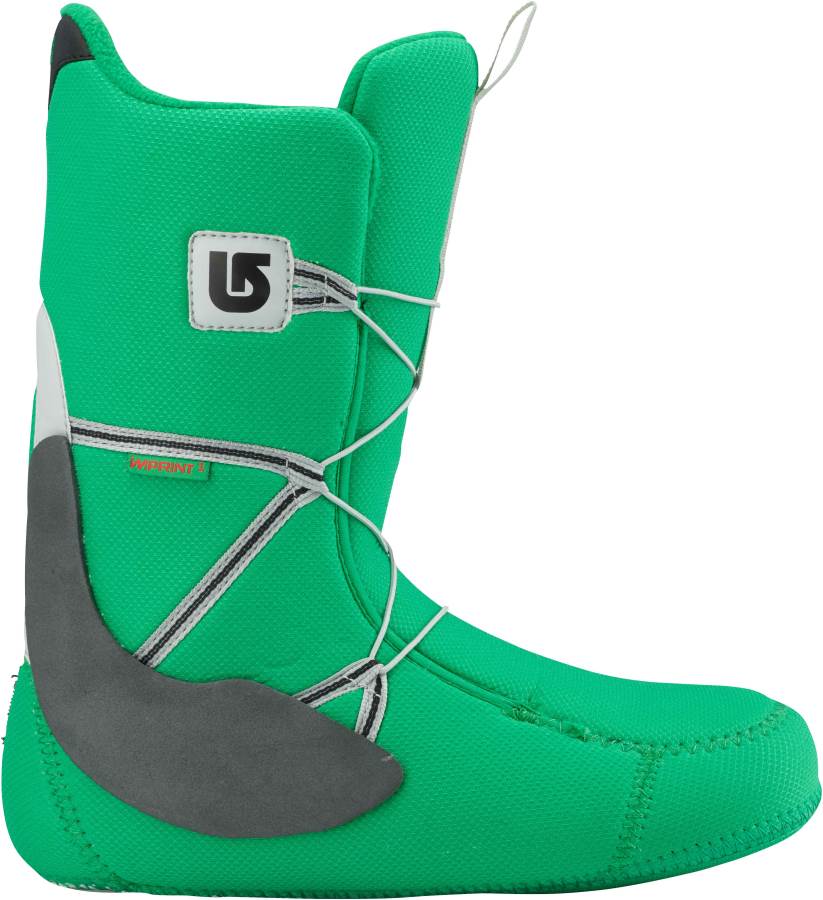
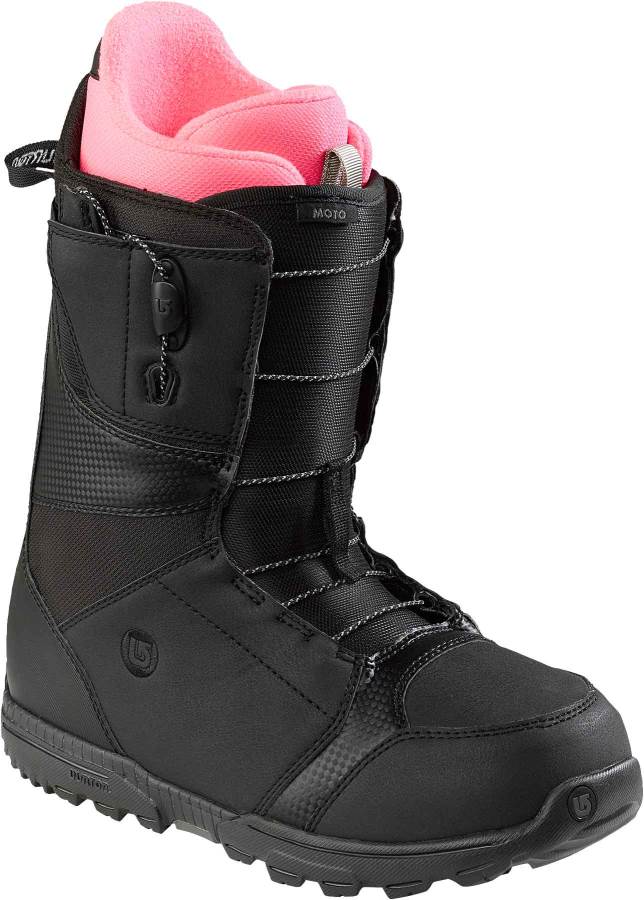
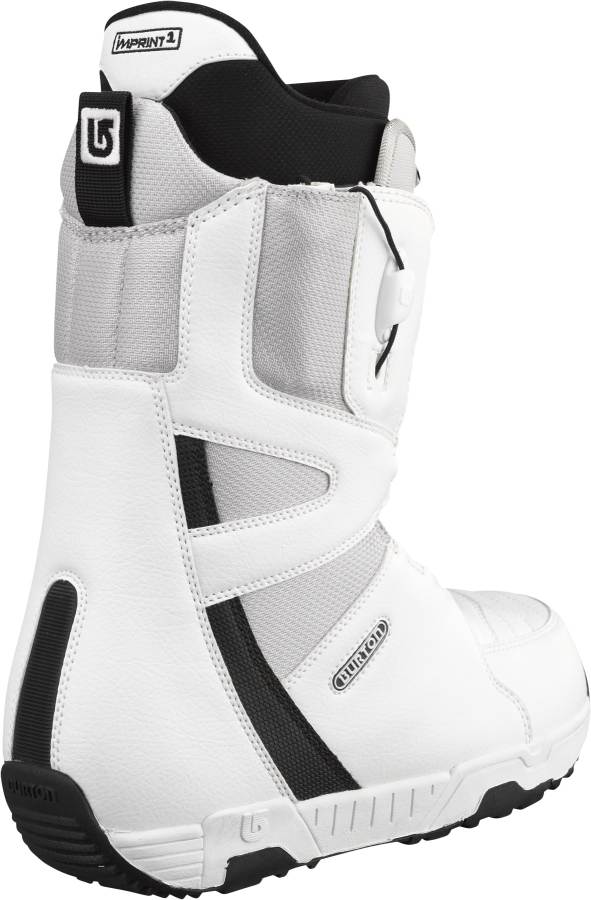
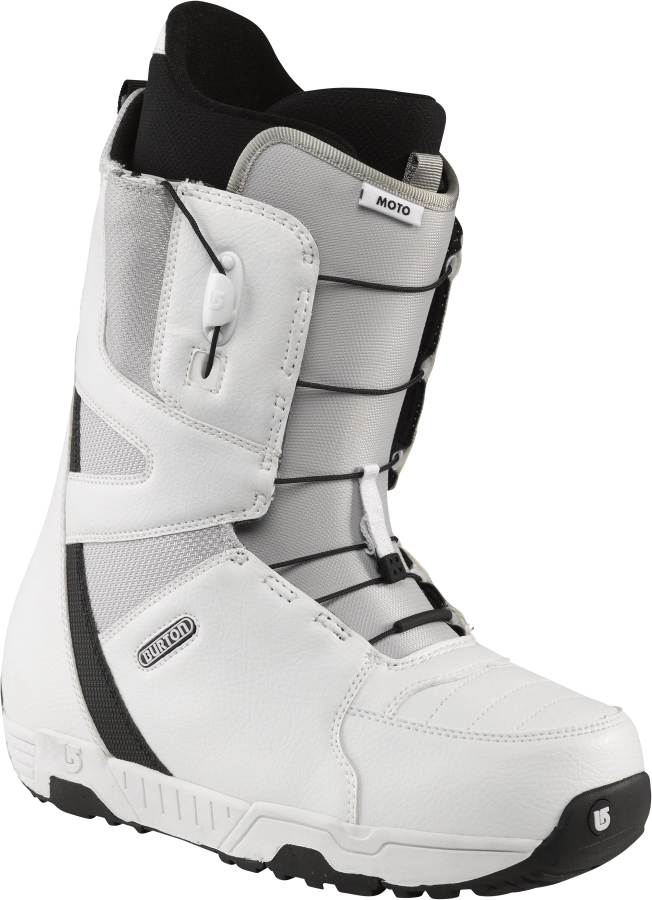
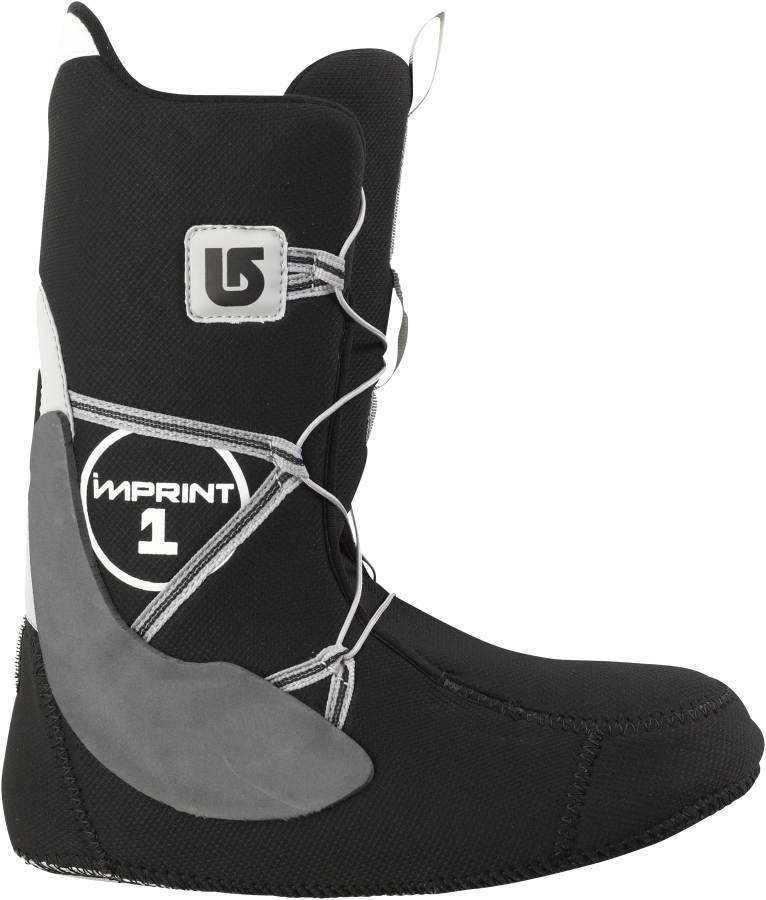
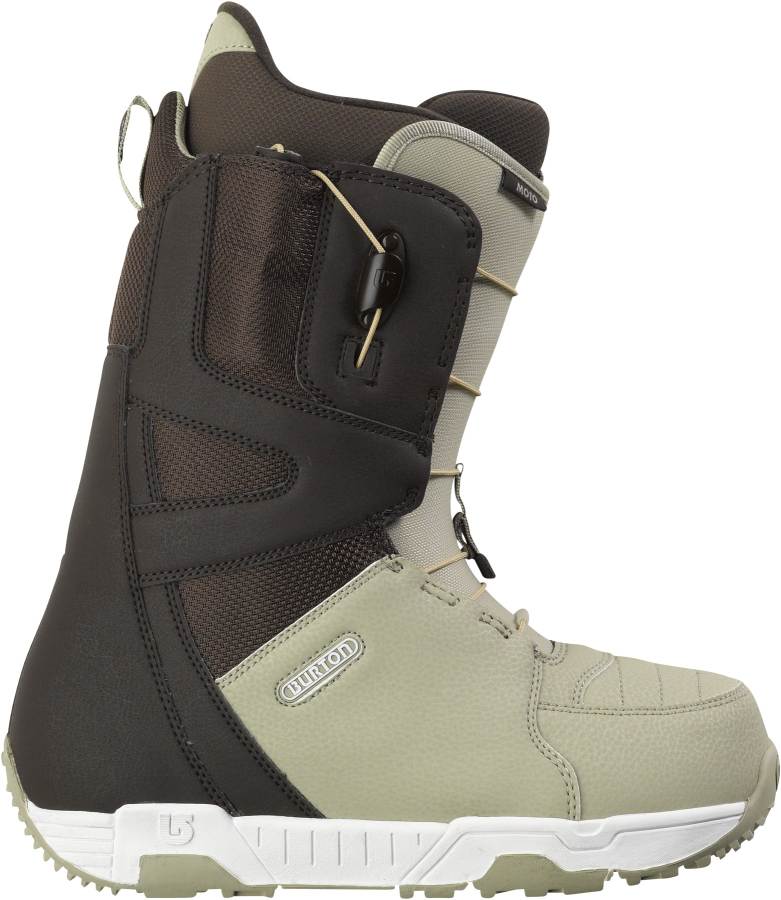
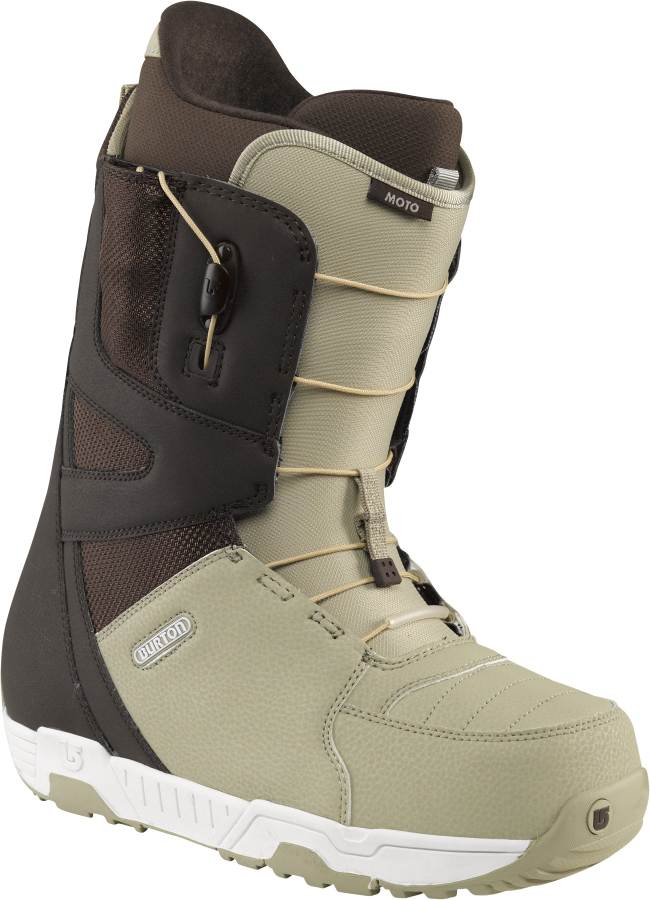
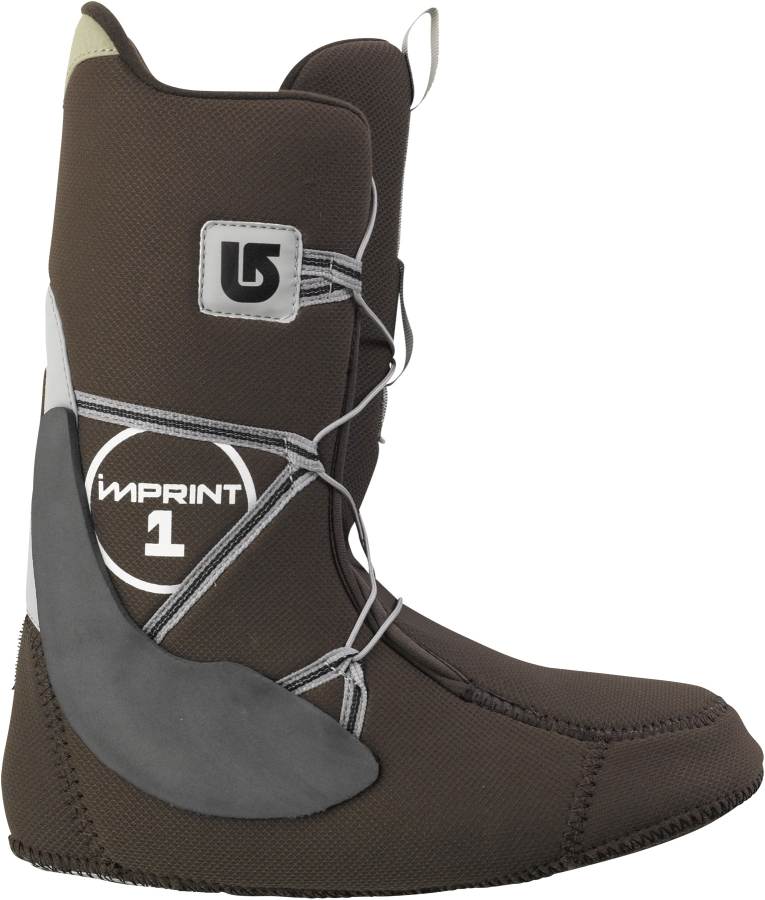
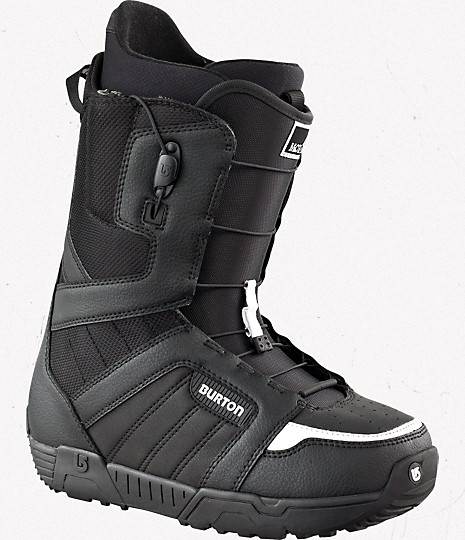
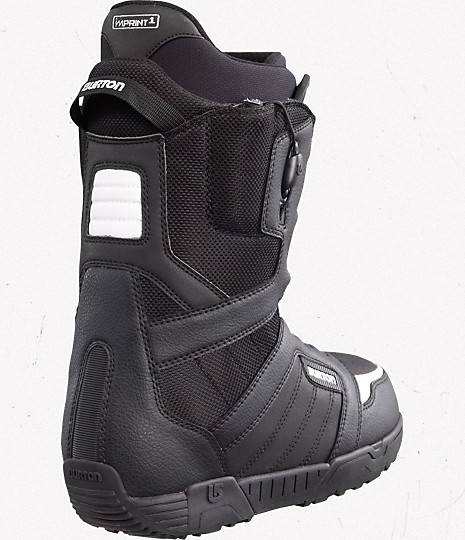
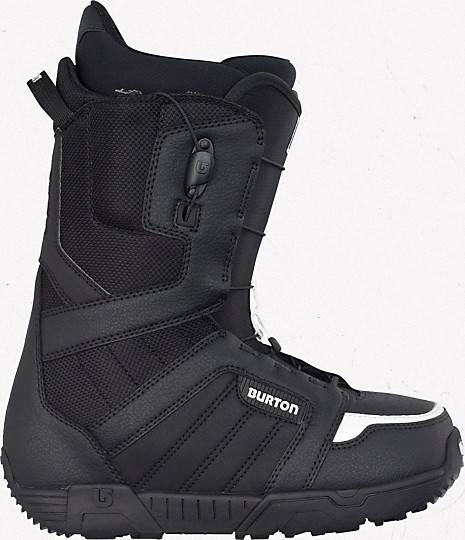
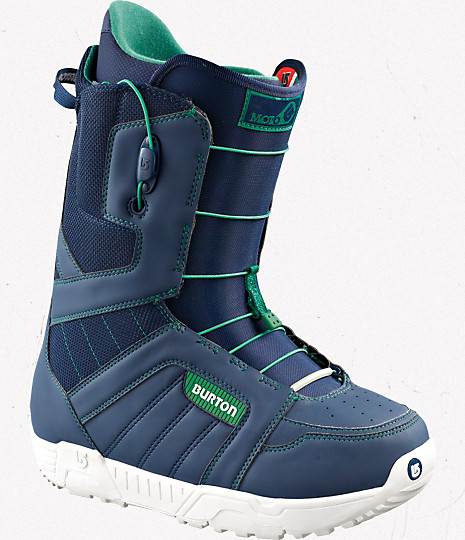
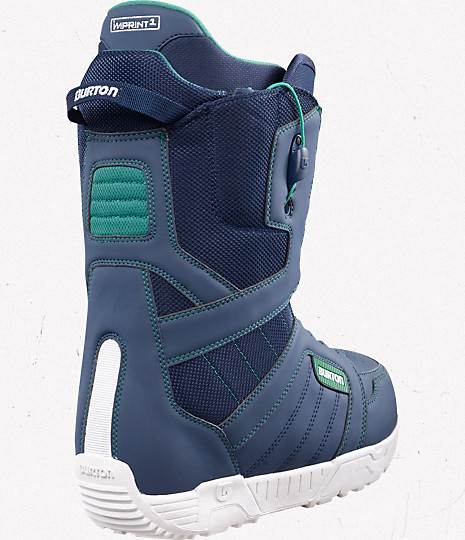
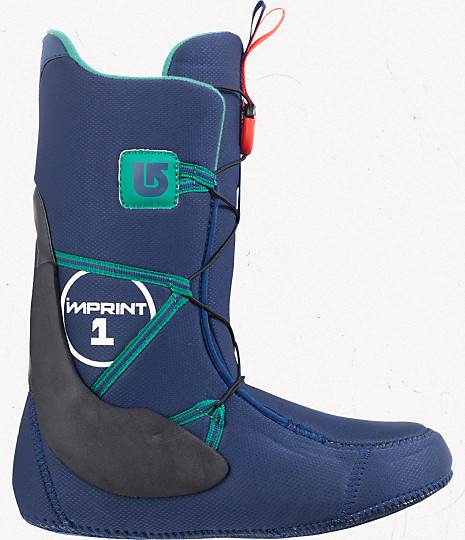
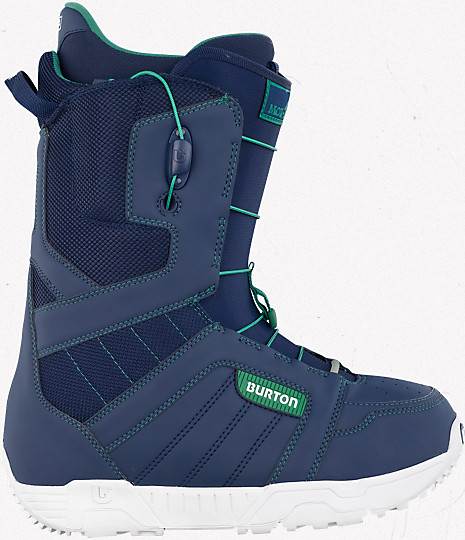
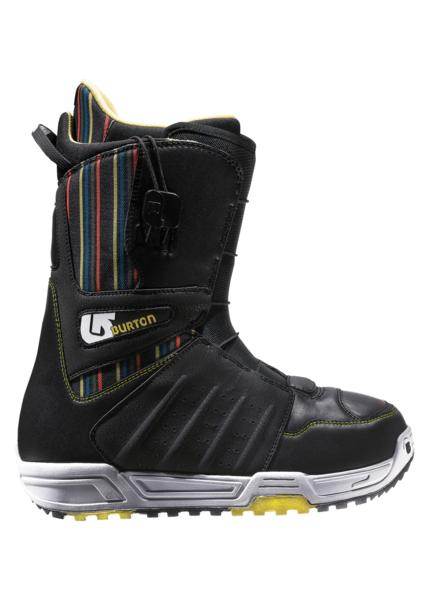
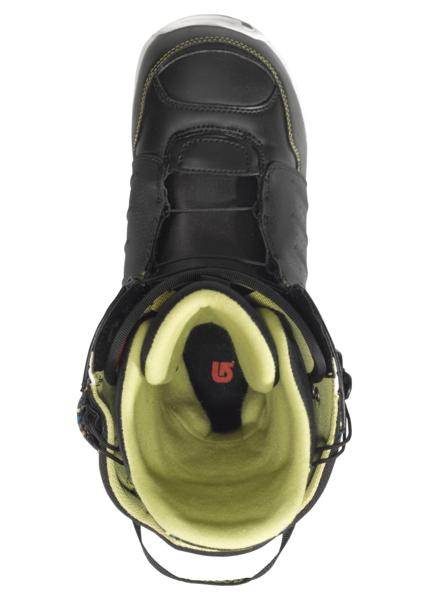
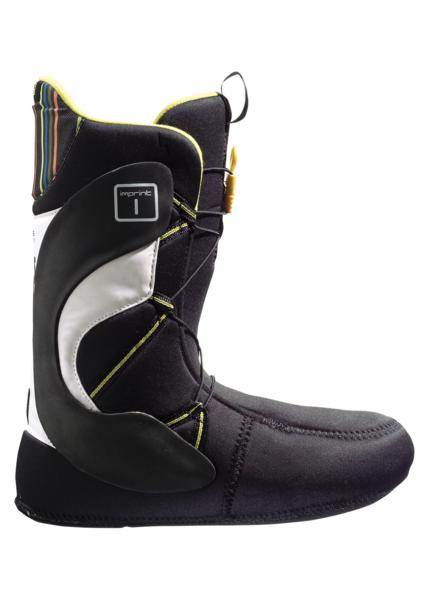
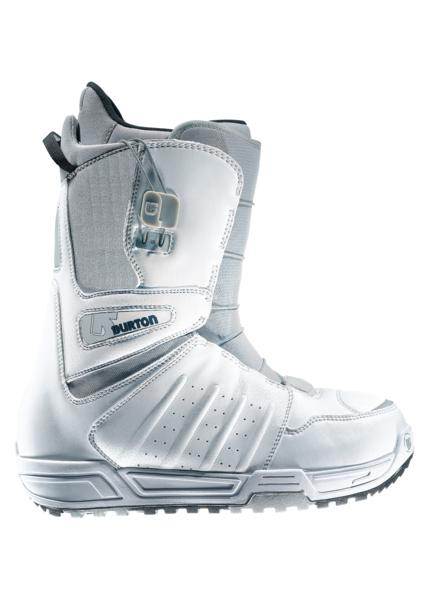
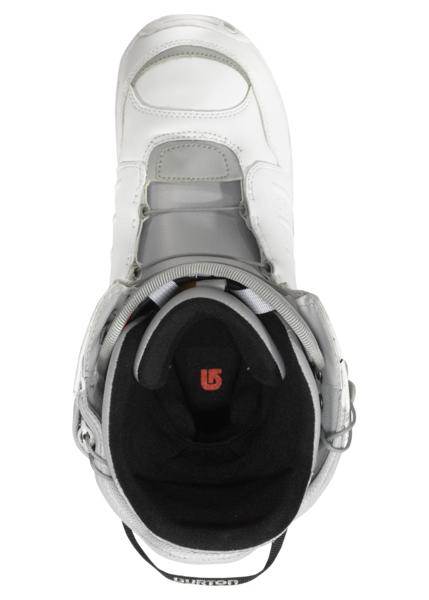
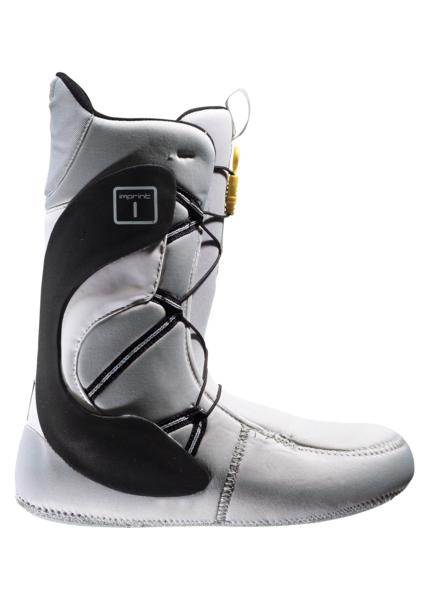
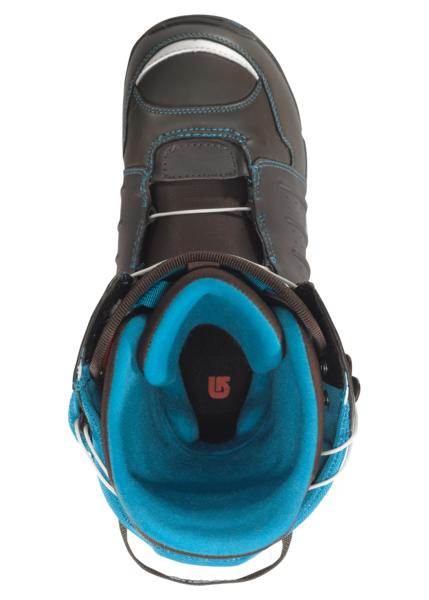
Burton Moto Images
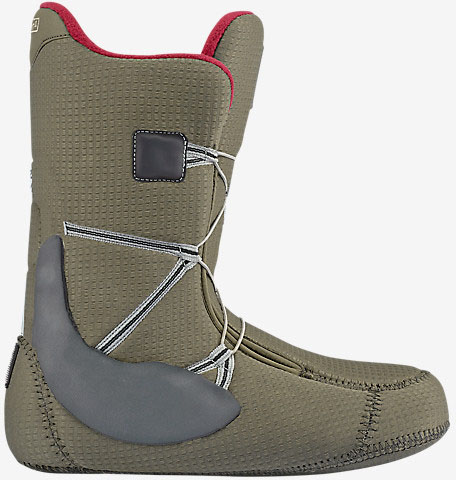
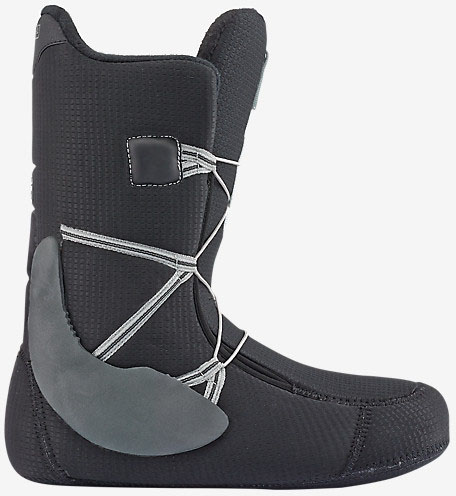
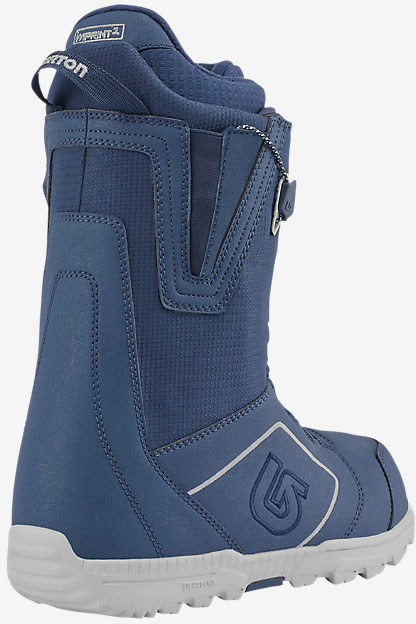
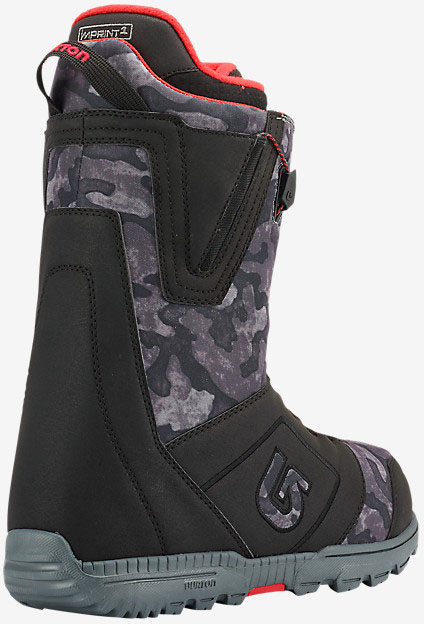
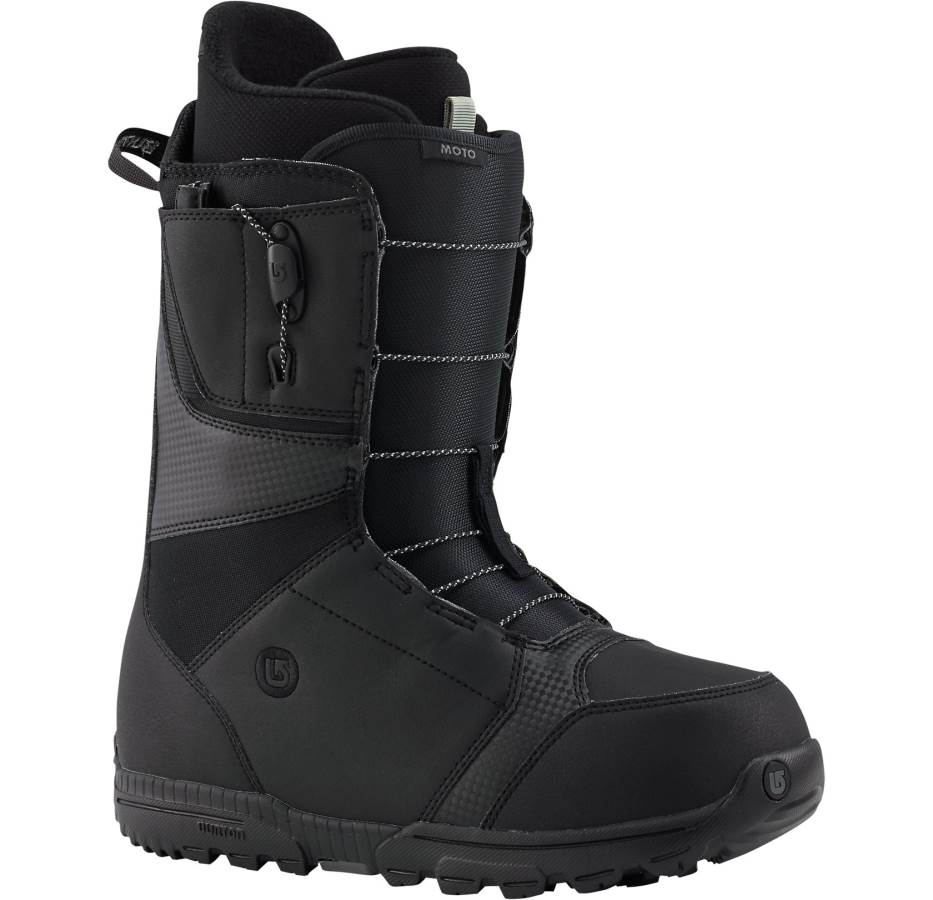
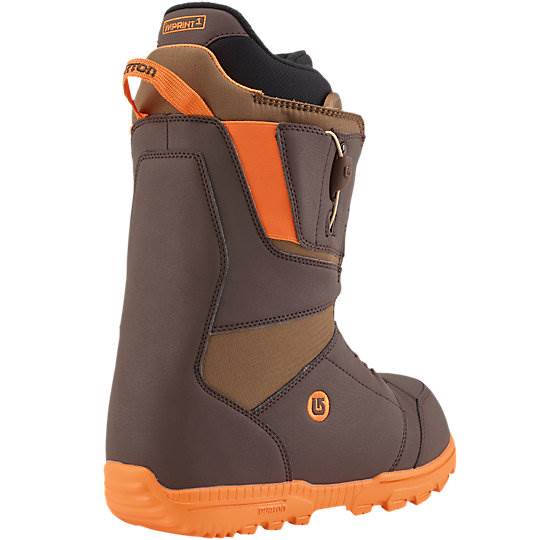
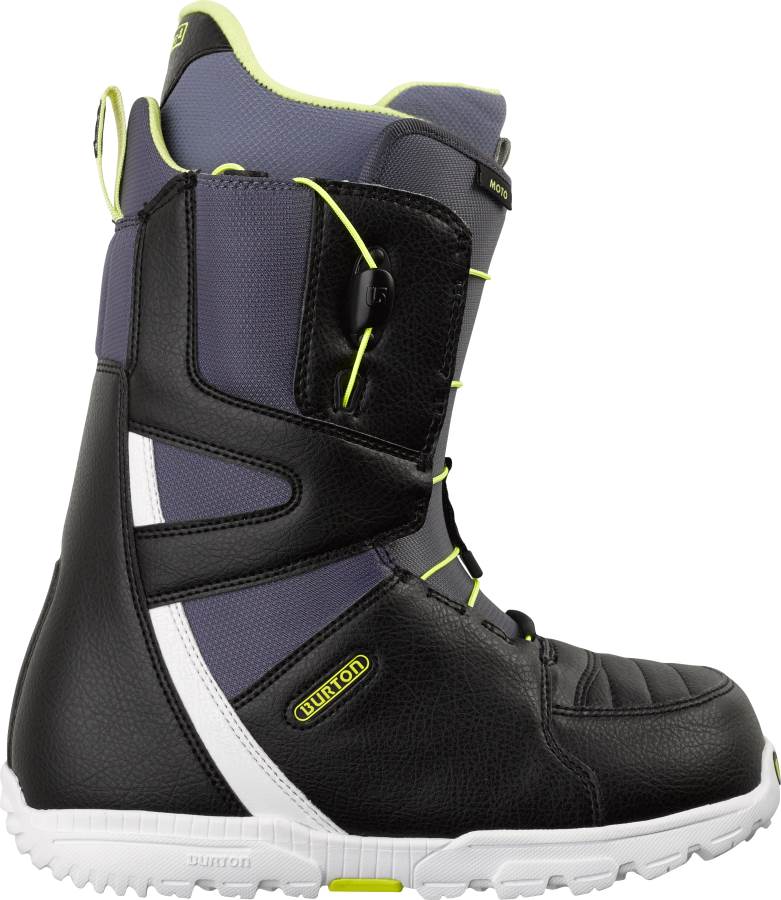
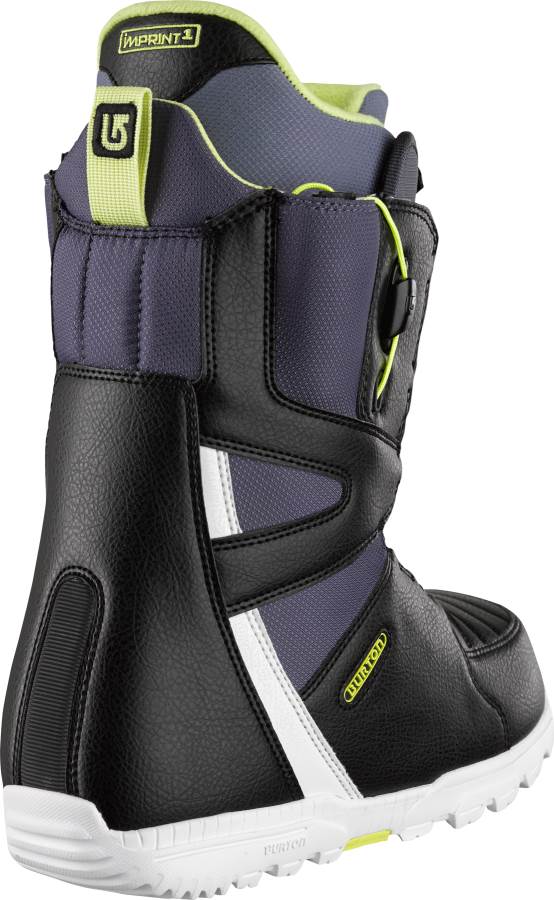
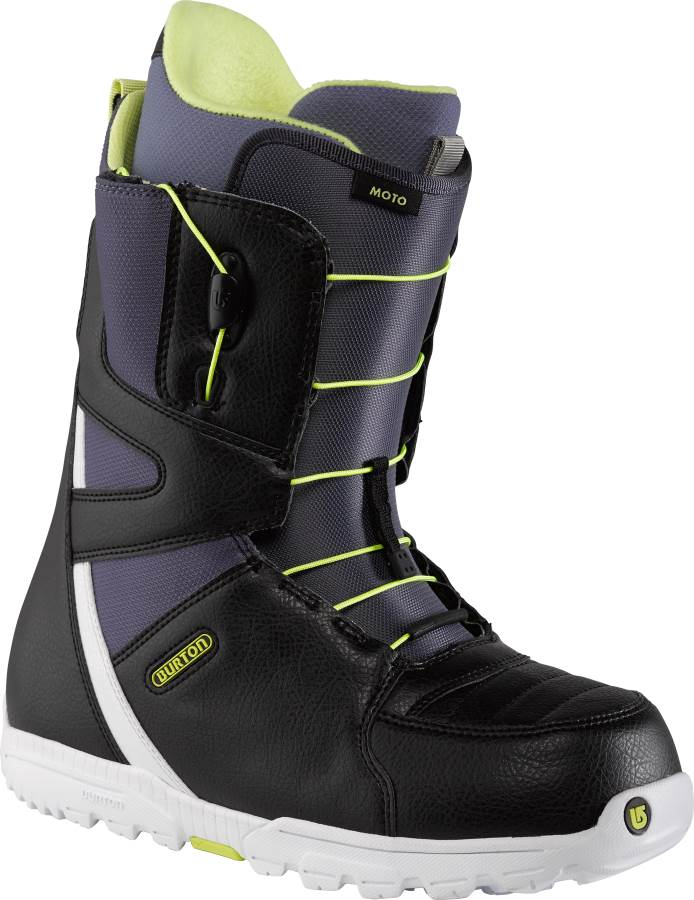
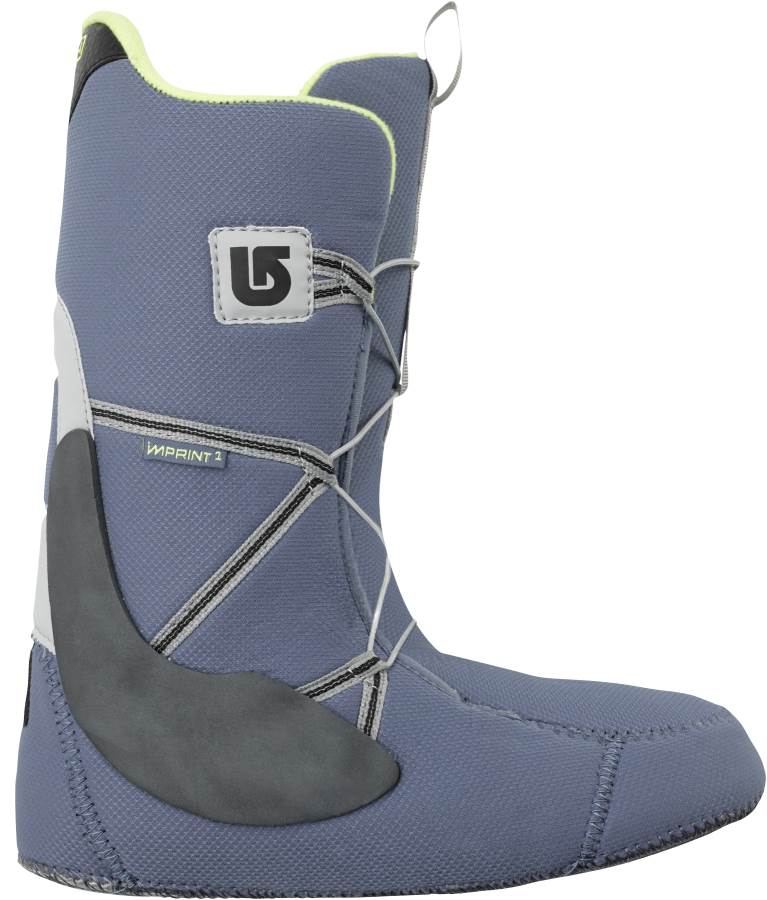
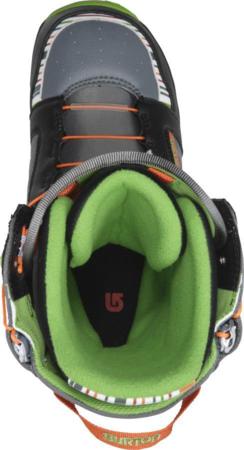
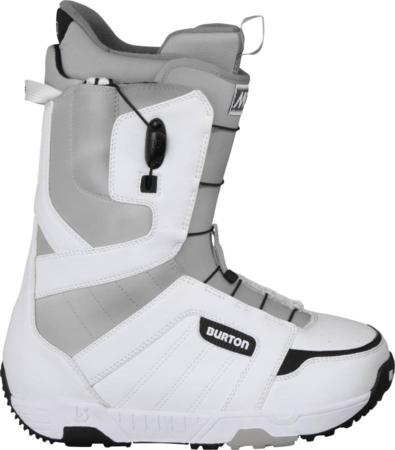
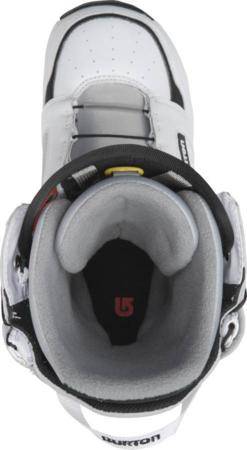
We try to get as many images of the Burton Moto, but forgive us if they're not all there.
2019


2018
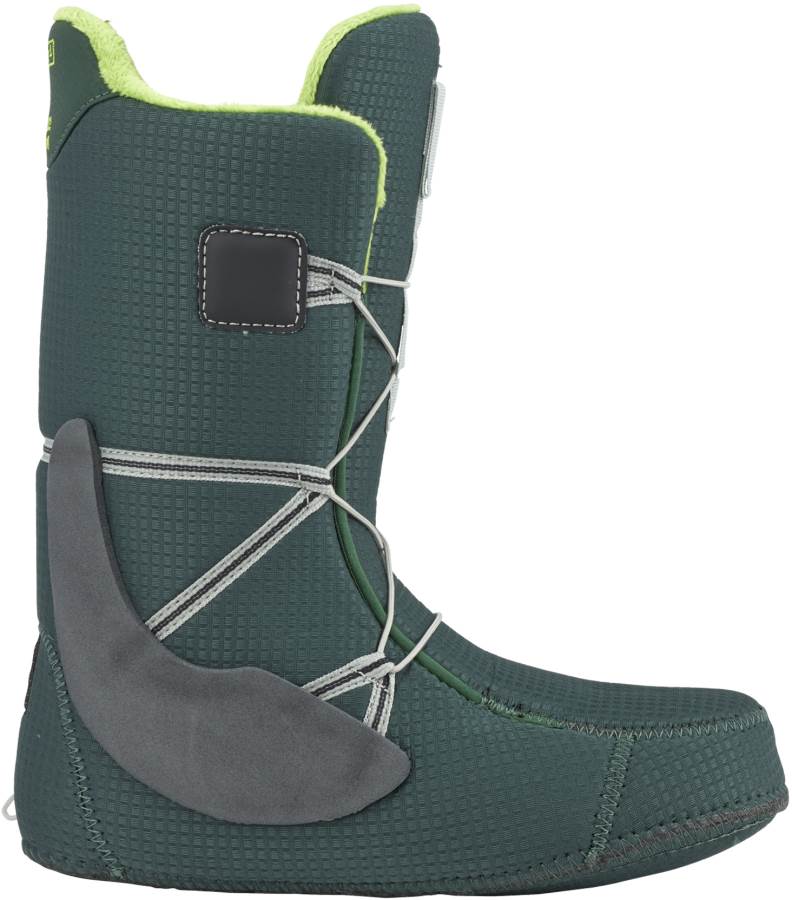
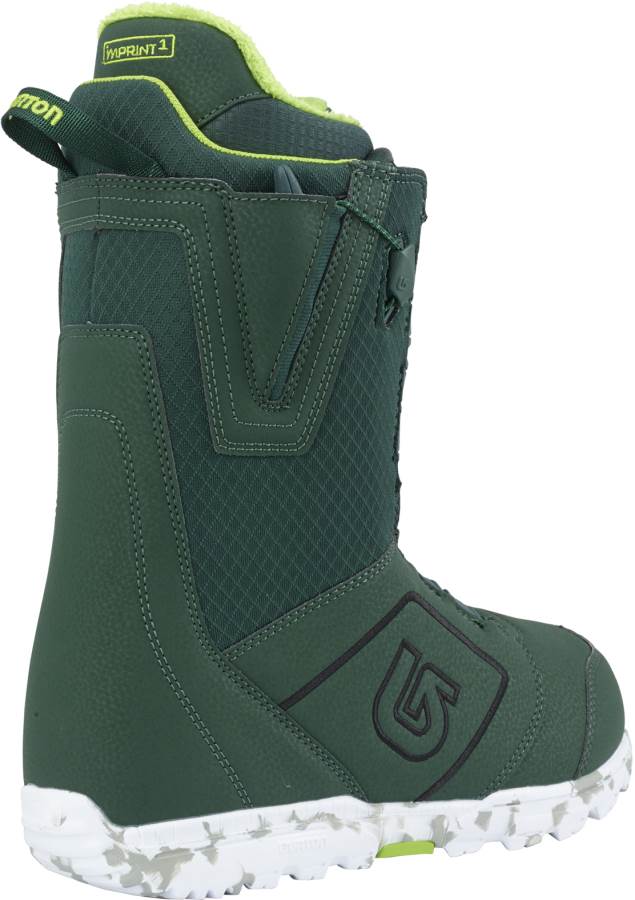
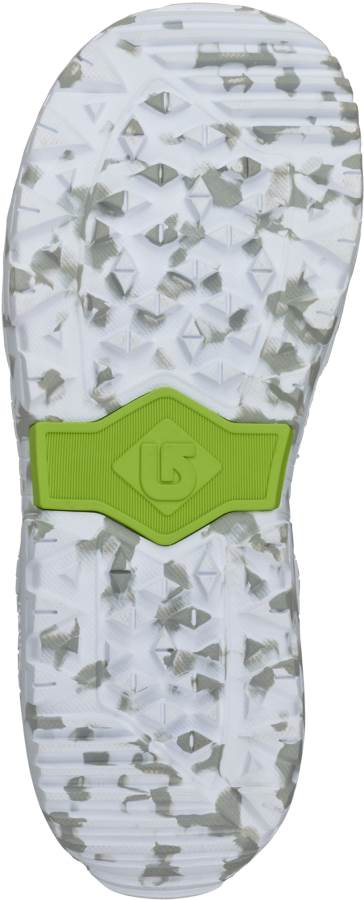

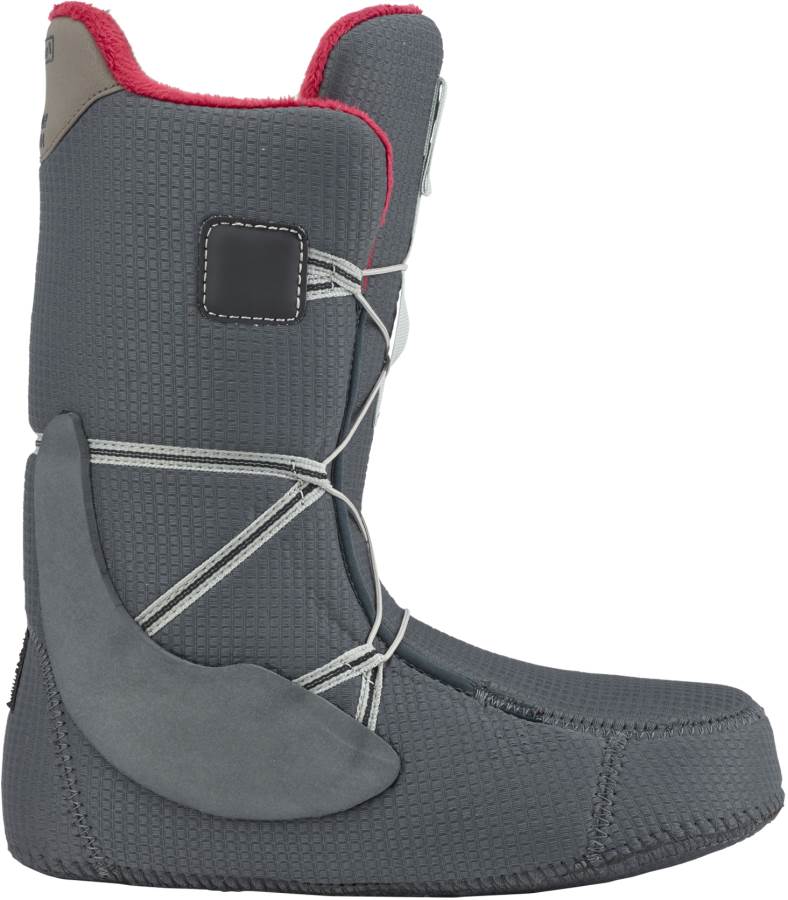
2017



2016



2015





2014






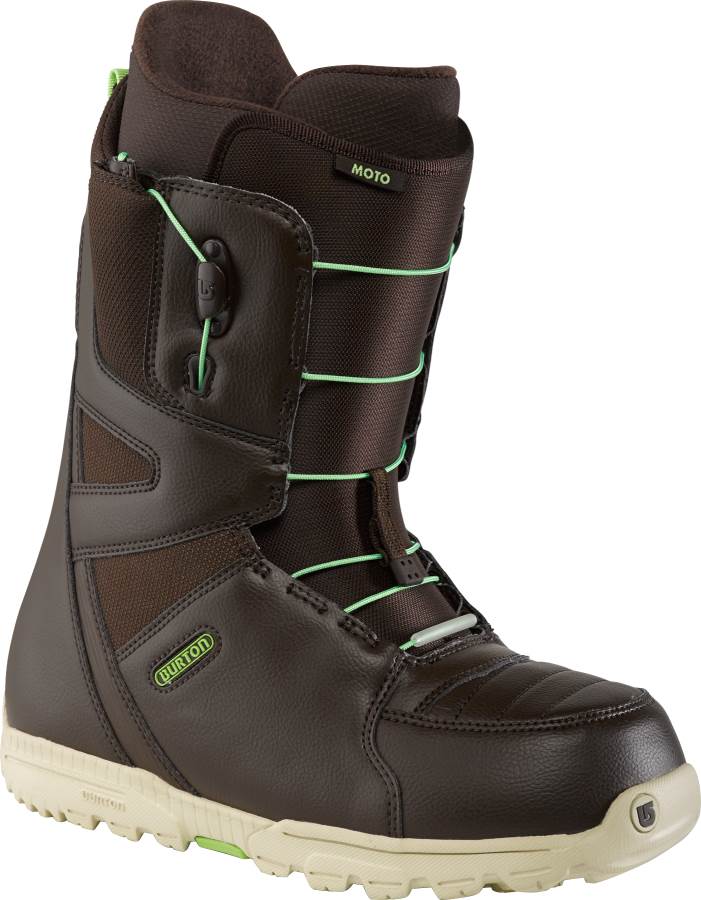
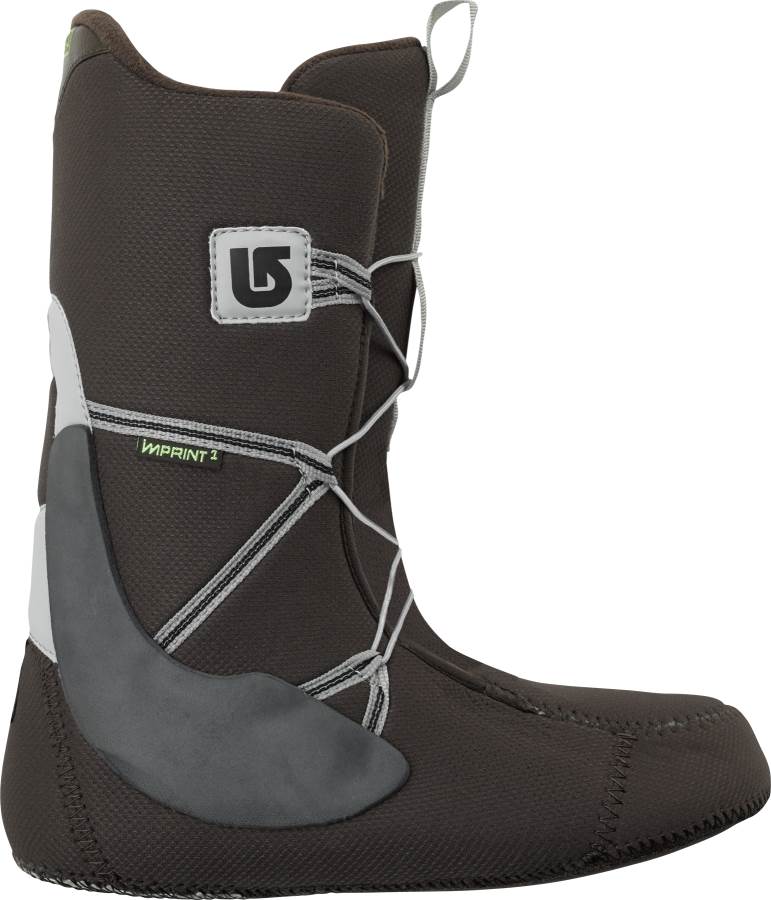
2013
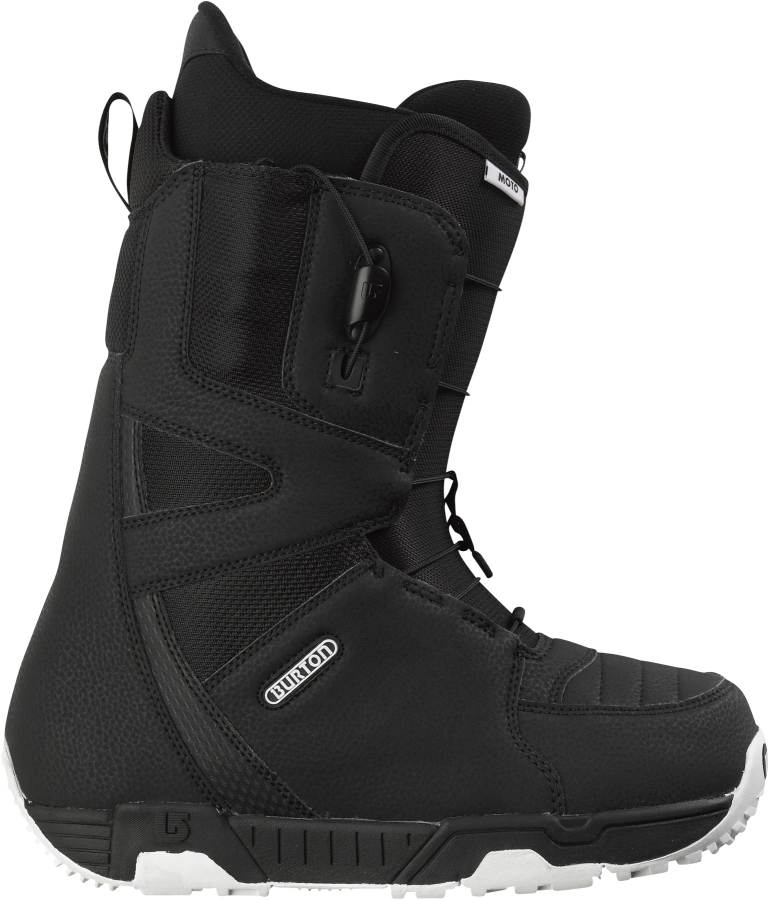
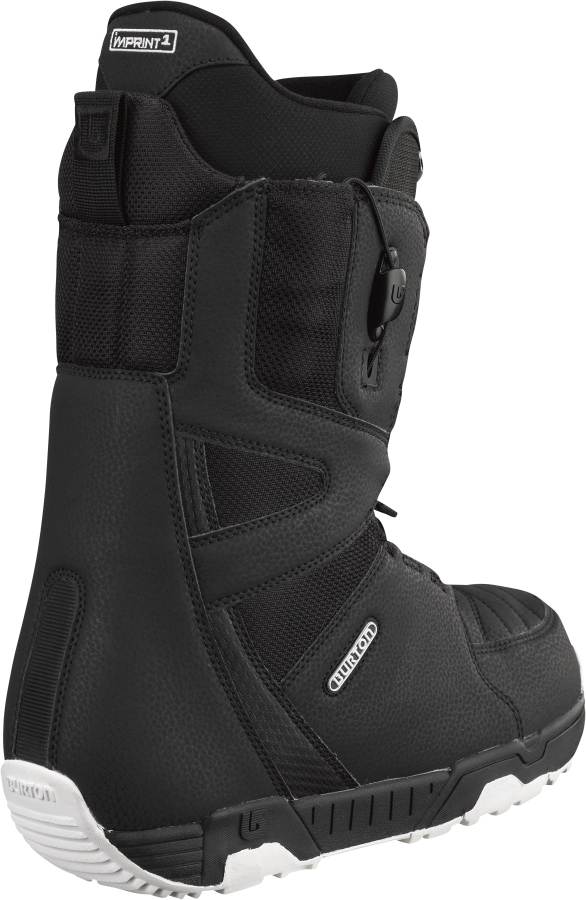



2012

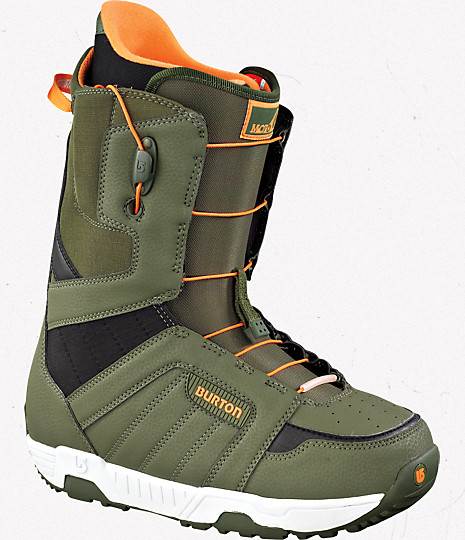
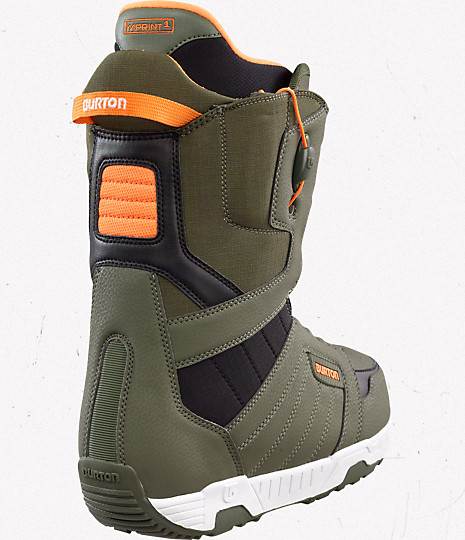
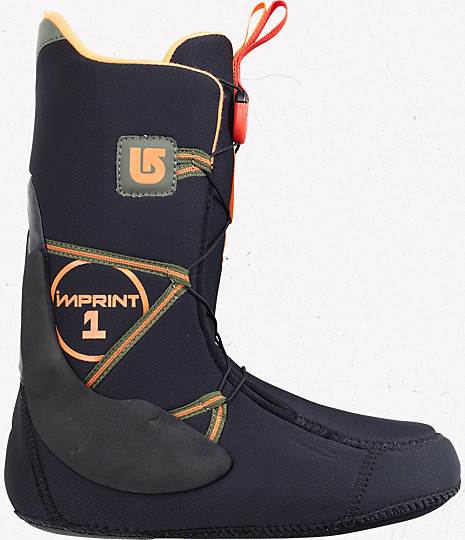

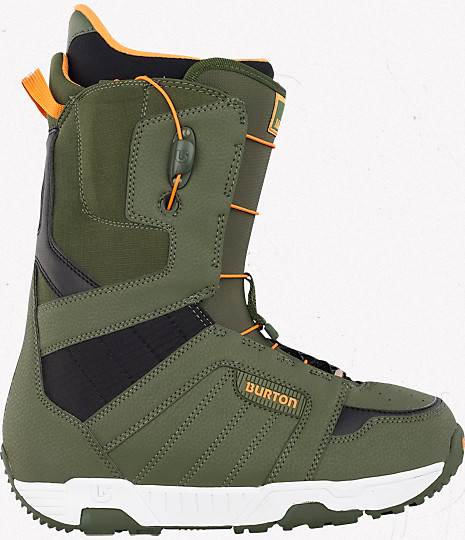
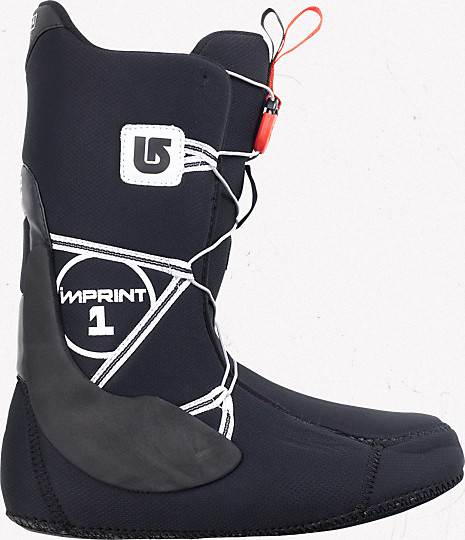
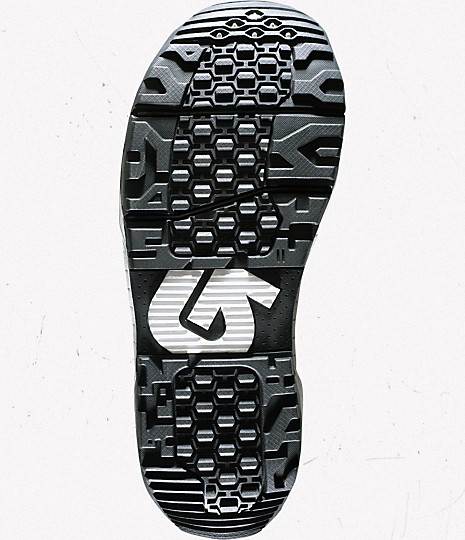


2011
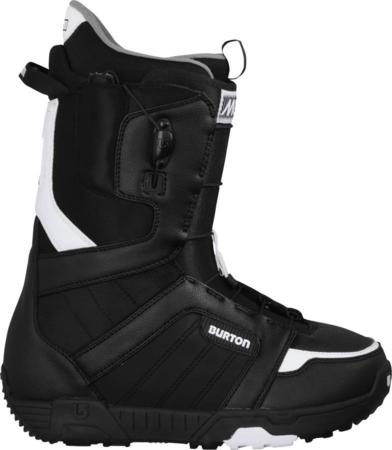
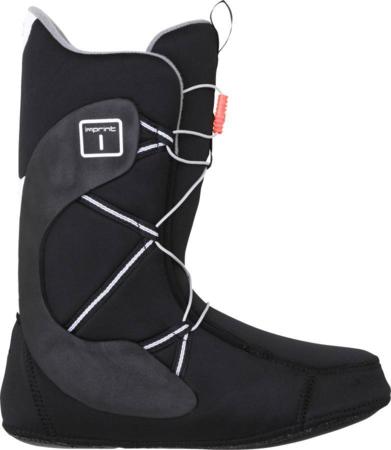


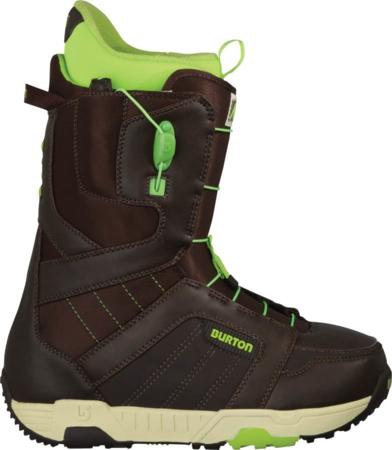


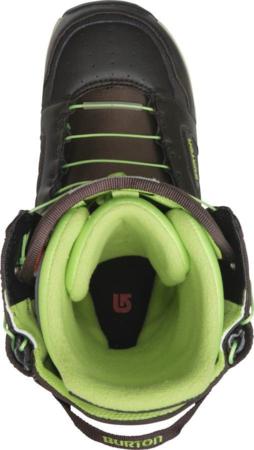
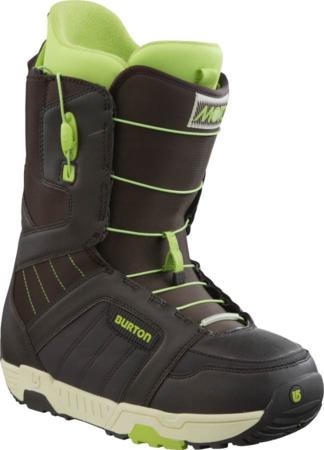
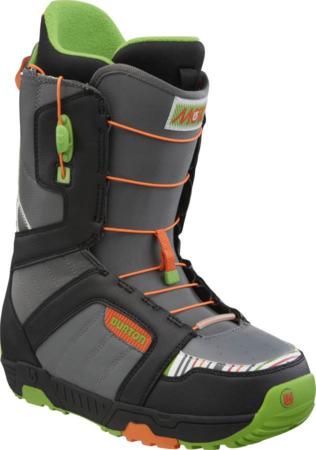
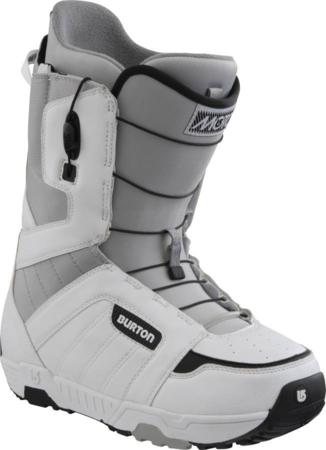
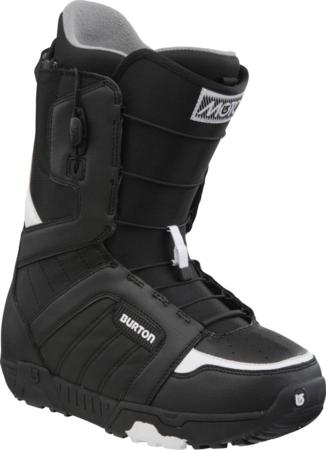
2010
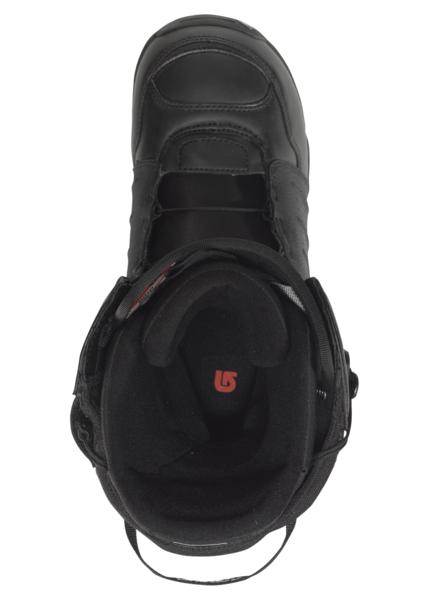
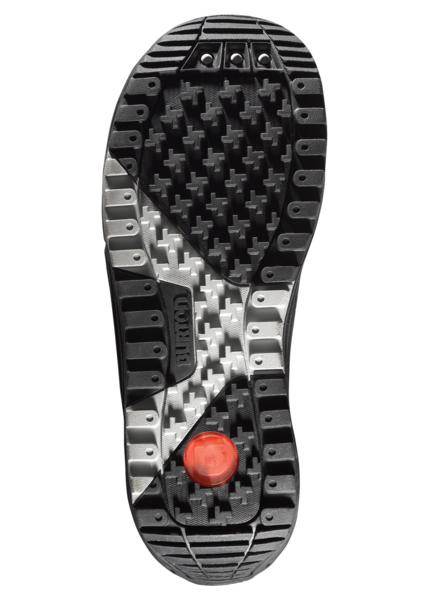




Burton Moto User Reviews
Where To Buy
No obligation, but these links support the site.
Blauer Board Shop
Sun & Ski Sports
evo
Tactics
More stores to buy from:
Blauer Board Shop
Sun & Ski Sports
evo
Tactics
No Results Found
More stores to buy from:
No Results Found
Blauer Board Shop
Sun & Ski Sports
evo
Tactics
No Results Found
No Results Found
Where To Buy
No obligation, but these links support the site.
Blauer Board Shop
Sun & Ski Sports
evo
Tactics
More stores to buy from:
Blauer Board Shop
Sun & Ski Sports
evo
Tactics
No Results Found
No Results Found
No Results Found
No Results Found