Positives
- Great For Snowmobiles
- A Little Better Flex Retention Than Before
- A Little More Response
- Good Traction
- Good Response
- Good Shock Absorption
Negatives
- Not For Those that Want Stiff and High End
Summary
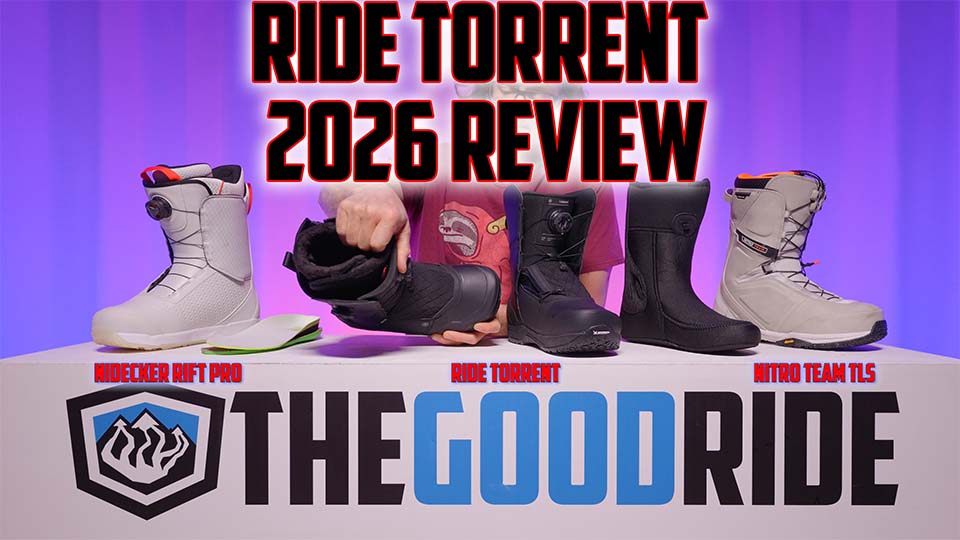
The Ride Torrent 2025-2027 was slightly refined from the 2024 model I rode, so I updated this review and compared it to the Nitro Team TLS and the Nideccker Rift Pro. The bottom line is the flex is a touch stiffer, and it seems to have a touch better flex retention, but still has a very similar ride to the 2024 I tried. It's also not changing at all for 2027, so this review will carry over into the 2026-2027 season.Where To Buy
No obligation, but these links support the site.
Sun & Ski Sports
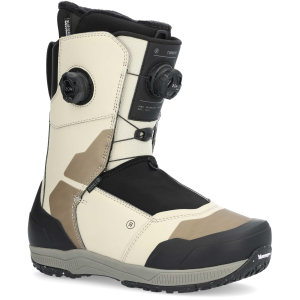
evo
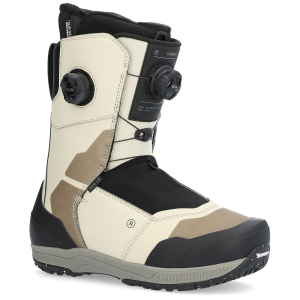
Backcountry

No Results Found
No Results Found
| Riding Level | Beginner - Expert |
| Lacing Type | Double BOA |
| Manufactured in | China |


|
|
|
|
|
|
|
|
|
|
|
|
|
|
|
|
|
|
|
|
|
|
|
|
|
|
|
|
|
|
|
|
|
|
|
|
Where To Buy
No obligation, but these links support the site.
Sun & Ski Sports
evo
Backcountry
No Results Found
No Results Found
Ride Torrent 2025-2027 Review vs. Nitro Team TLS and Nidecker Rift Pro Review by The Good Ride
How The Ride Torrent Was Tested:
I borrowed the Ride Torrent and sent it back
Size: 9 US for all boots
Days: 1 but 30+ in the past
Conditions: Just groomers this time but pretty much every condition in the past.
Riders: James (Size 9 E, 5’10”, 185-190lbs). I’ve tested and compared 850+ boards, 200+ bindings, and 120+ boots
Insoles: F.I.T. Gamechangers
Redundancy: Strapins in case boots or bindings break.
Jacket: Skyline Fuse Jacket, Jones Mtn Surf Anorak
Pant: Skyline Fase 3L Bib Pant, Skyline Faze Pant, Jones Mountain Surf Pant
Helmet: Smith Method, Smith Scout
Goggle: Smith 4D Mag Low Bridge Fit
Gloves: Burton AK Clutch Mitt, Burton AK Tech Leather Glove
Bindings:
Boards:
Yes Greats but many in the past
Similar (but not the same) Boots:
Nitro Team BOA, Nitro Team TLS, Nidecker Rift Pro, Bataleon Salsa BOA, Ride Fuse, Ride Deadbolt, Burton Ion, Vans Infuse
James’ Foot Specs
Foot Size: 9 US
Foot Width: E
Arch Length: Right 9.5 and Left 9
Instep: (left and Right) 10.5”
Calf Circumference:
Top of boot 17”
Bottom of boot 12”
Ethics Statement
I was not paid to write this review, and it reflects an honest, objective perspective with no brand oversight. If this review helped, we’d appreciate it if you support objective content by:
- Buying Through Our Sponsor, Blauer Board Shop
- Buying through our other Where To Buy Links, we get paid a small commission if you do. Please make sure we are the last click and don’t use a coupon or discount provider. They take our commission if you do.
- Become a Patron and get early access to reviews well before publication. https://www.patreon.com/thegoodride
- Donate to https://venmo.com/TheGoodRide (@TheGoodRide) or https://paypal.me/thegoodride
- Follow Us: https://www.instagram.com/thegoodride
- Like & Subscribe on YouTube https://www.youtube.com/@thegoodridesnow
Here is your SEO-friendly article with exact wording preserved, timecodes removed, and H3 headings inserted as requested:
Weight
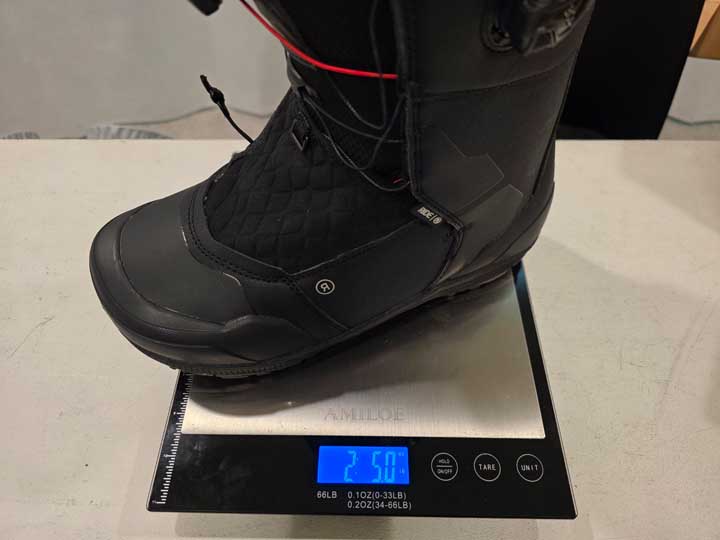
So let’s talk weight. These are 2 pounds 5.2oz, which is pretty normal. Compared to the Nidecker Rift Pro, these weigh 2 lbs 7 oz. And the Nitro Team TLS is 2 lbs 4 oz. So all these boots are not that heavy, but they’re not super light either. Compared to, let’s say, the Ride Deadbolt, those are a little under 2 lbs. They’re definitely a lighter boot than this.
Insole
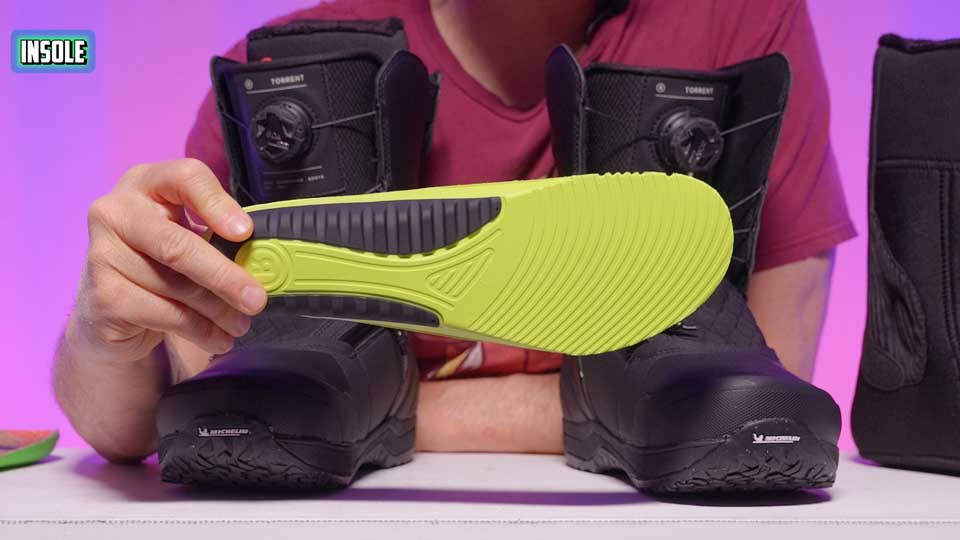
The Ride Torrent Insole is not that special. I put footprint insoles in there. I had the Footprint Game Changer, and then the Kingfoam Orthotic Elite which were massively betteer. However, I have no real knock against this insole, because all the insoles that come with the boot are bad. You really want to move towards an aftermarket insole.
Sizing/Fit
And when it comes to fit, these Ride Torrents fit my size 9 E feet really well. They almost feel true to size. I didn’t feel like I needed to size up or down with the old Torrents, since they had the same fit. I did have to add a little boot-fitting foam near the heel of the 2024’s I did an extended demo on, because the liner packed out a bit. But I have to do that with most boots.
The only boot I haven’t been able to do that with is the Nitro Team TLS, which, for some reason, the liner doesn’t pack out much, if at all, down around the foot, but at the top it’s super fluffy and cush and packs in a lot. This one’s the opposite. It barely packs out at the top, and only packs in a little bit at the bottom.
There’s not much pack-out compared to the Rift Pro from Nidecker. I’m not too sure how well it’s going to pack out, but in the past, riding the regular rift, it did pack in a little bit, and I did have to add some boot fitting foam like I did this, but not a lot.
When it comes to width, all three of these boots fit my size E feet really well. What I really liked about the Torrent is that, unlike many Ride boots, this liner has a lot less foam on the sides. And it fits my E width really well with many Ride boots. They’re puffy along the sides, and to feel comfortable and avoid my feet from cramping, I had to do an extensive heat mold and press out those sides. Then they felt great. But with this, day one, I was good to go. Same with these two. And I really like that. That’s uncommon. A C to an E is really going to shine here.
Adjustability/Lacing System
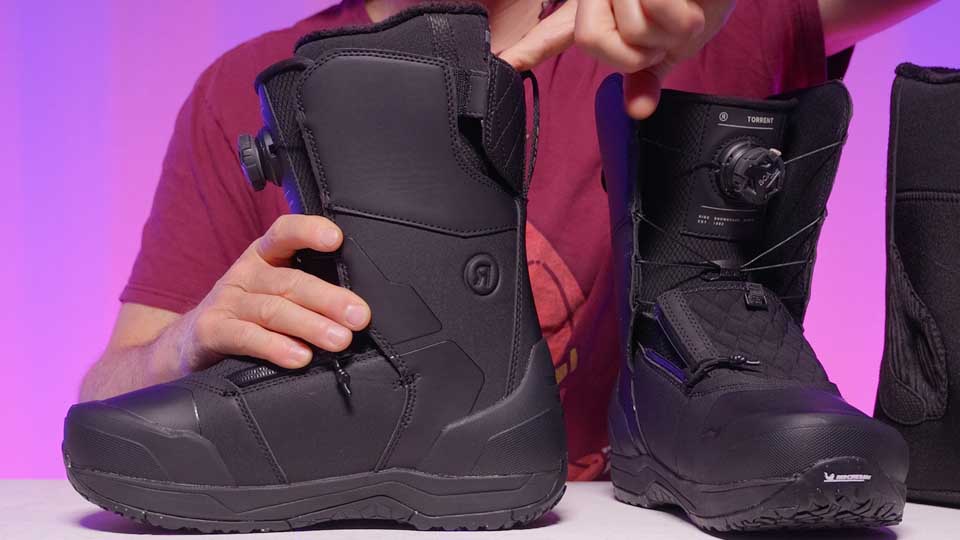
Now, when it comes to the lacing system, you have great upper and lower separation with the Ride Torrent. Then inside, you have a nice harness with a pretty typical Ride fastener.
I don’t personally like this zip-over because if you ever break the lower BOA lacing system, it’s going to be very hard to repair. That being said, you at least have a nice waterproof barrier.
The Torrent isn’t the best for really locking in around your ankle and preventing heel lift, but you can always add some boot fitting foam in the shell to pinch this area. A lot of people don’t think about that often and end up buying a new boot when they don’t need to, and spend too much money. And it’s pretty quick on and off. Not the fastest on because your BOA takes a little while to dial out in the beginning of the day, but at the end of the day, it’s just pop, pop, and pop, and you’re good to go.
The Nitro Team TLS and the Nidecker Rift Pro both have the same level of adjustability but without a gaiter.
Flex & Response
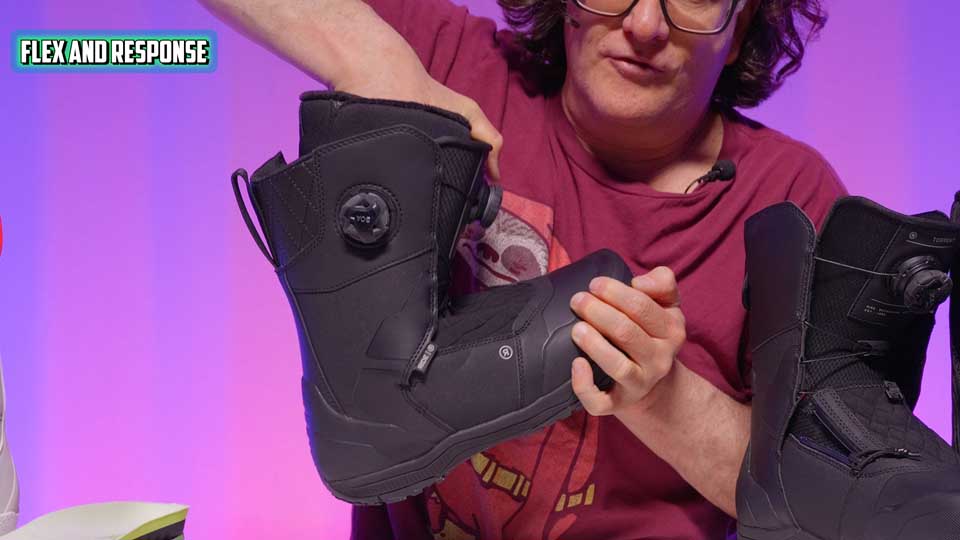
There’s decent forward flex in the Ride Torrent, and it’s now a seven out of ten. I think when this came out it was more a six out of ten. So there’s a touch more support and response. I really liked the old one, and I like this new one too. So many were frustrated with a high-end mid-flexing boot, but I personally like that as it’s one of the only options out there. The Nitro Team TLS and Nidecker Rift Pro are pretty similar; however, the Rift Pro has a little hesitation in the toe-side turn before it goes, whereas the Team TLS and Torrent have an easy, smooth, but responsive toe-side turn that I really enjoyed more.
Flex Retention/Durability
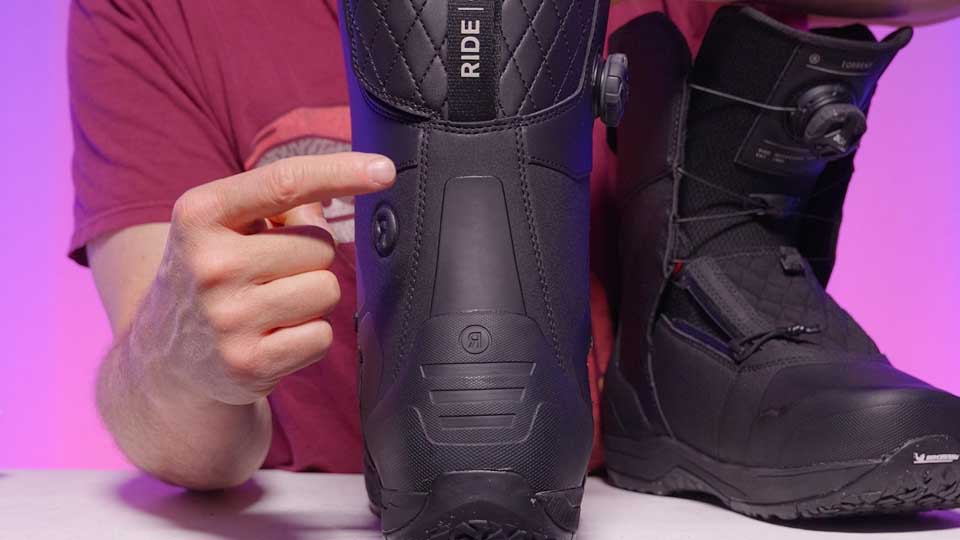
First off, the Ride Torrent has this rubber backstay with a lot of rubber, then a thinner rubber strip. In the past, my old Torrent didn’t have this. I think it was more of a laminate than actual rubber. Even though it’s light, it’s going to help keep the spine from breaking down.
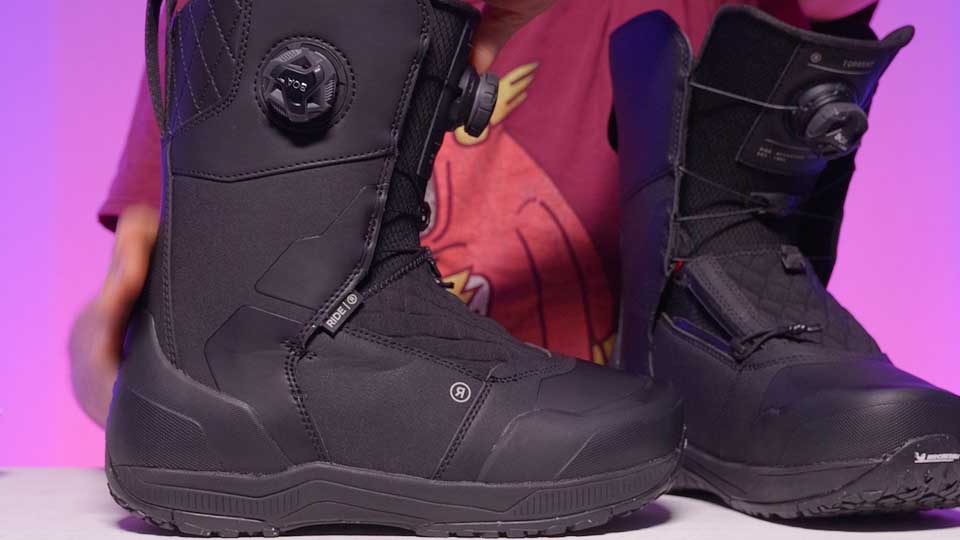
Then you have articulation points by the ankle. And while the Torrent doesn’t have the slime wall of the Insano or the Fuse, which I would love to see that urethane tongue throughout here to really retain the flex, it holds its flex really well.
And these aggressive rubber boots won’t wear down and develop holes as easily as many other boots.
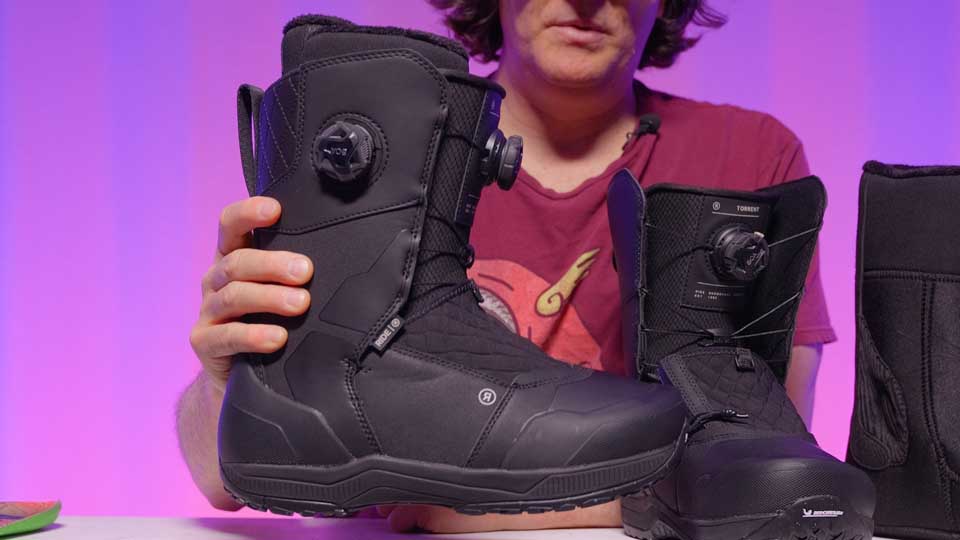
Compared to the Nidecker Rift Pro, this is all rubber on the bottom, except for this area, and it has a fully articulating cuff with a little bit of rubber up the back. More so than the Ride Torrent. It’s going to last longer.
Same with my Nitro Team TLS. They have even more on the back. Great articulation points here. This is after like 60 days. There’s no shell distortion. It’s looking great. It has a little wear around the toe and a few spots throughout the boot, but overall, it’s holding up incredibly well. So all three of these are going to do pretty well. This isn’t going to do as well as these and some Ride boots, but it’s going to be better than boots like the deadbolt in their newer stuff without a slim-wall tongue. But I like that little bump to the response and flex, and I think a lot of other people out there will as well.
Shock Absorption / Board Feel
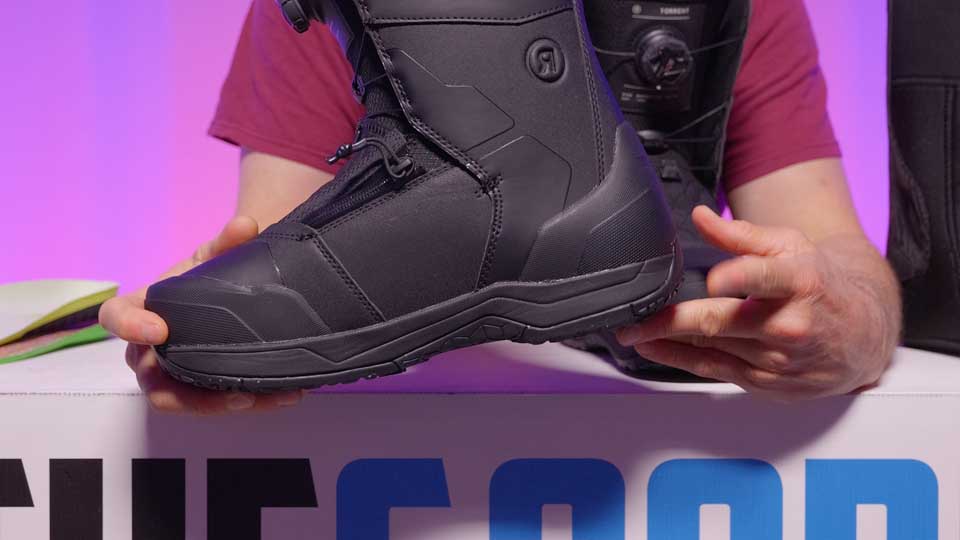
You get pretty good shock absorption in the heel of the Ride Torrent. It was a lot better than my Fuse, which is one of the reasons I went there a while ago.
Compared to the Nitro Team TLS, you get a much more shock-absorbent sole and midsole, and this is near the pinnacle in terms of shock absorption with this air bag. There isn’t much front-end shock absorption, so it strikes a nice balance between board feel and shock absorption.
The Ride Torrent has a little more front shock absorption than the Team, where you don’t need it as much, but it’s nice to have. There’s a little less board feel, but it’s not so soft that it feels squishy and dead. Same with the Nidecker Rift Pro. All of these aren’t terrible, but you’re looking at these boots because you want more shock absorption. If you want a stiffer, thinner sole with more instantaneous transfer, look to other boots like the Ride Fuse, the Insanos, or the Lasso Pros. They all have a stiffer sole and have a little more board feel.
Traction
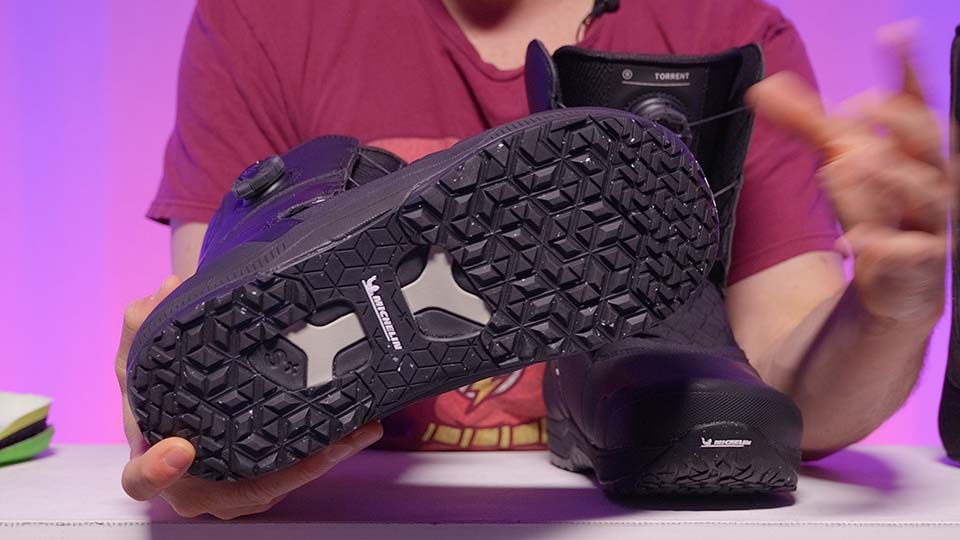
The traction is very good with the Ride Torrent, but it’s a shade behind the Nitro Team TLS. The Nidecker Rift Pro is good, but a little behind the Torrent.
Reduced Footprint
The Ride Torrent is about 30.1cm, which is just about the same footprint as the Nidecker Rift Pro BOA at 30.2cm. But in comparison to the Nitro Team TLS, Nitro Team BOA, and Nitro Team Lace, you’re looking at 29.5cm. So dropping a half a centimeter really matters in snowboarding and makes a big difference in terms of overhang. That’s a big difference in terms of footprint and toe heel drag. Millimeters matter in snowboarding. So not the best in terms of footprint.
Warmth
The Ride Torrents are pretty warm boots, so I think a lot of people might like that. If you like warmth over footprint. The Nidecker Rift Pros are close in warmth, and the Nitro Team TLS is a little behind them.
Calf Adjustability
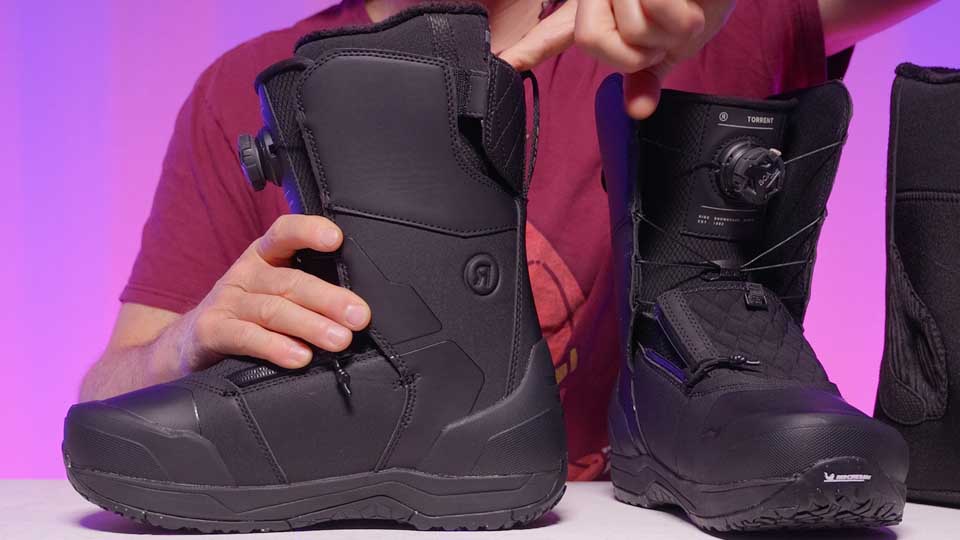
Then there are these cool features on the Ride Torrent that the other boots don’t have, like you can adjust this to your calf size, which is great. It used to have two adjusters, one on each side. Now it only has one, which is more than fine. And what I found, too, is that when I did some uphill travel, I’d just undo the Velcro and leave it all the way out, so I had a touch of negative flex to make touring a little easier, and then I’d tighten it up at the top. It’s maybe not what it’s made for, but I love that they have it. And I love this calf adjustability to really dial out the feel around your boot, along with the BOA and the back. It’s like having an adjustable heel loop in a binding. It just makes everything a lot better.
Final Thoughts
So overall, these boots were highly recommended in the past and still are now, with a touch more responsiveness, a little more flex retention, minor tweaks, and just a great boot all around. It’s very recommendable, especially if you like Ride boots with a liner that fits a wider foot right out of the box, and good medium response with high-end construction, you have the Torrent. There you go.
Ride Torrent Specs
Ride Torrent Images
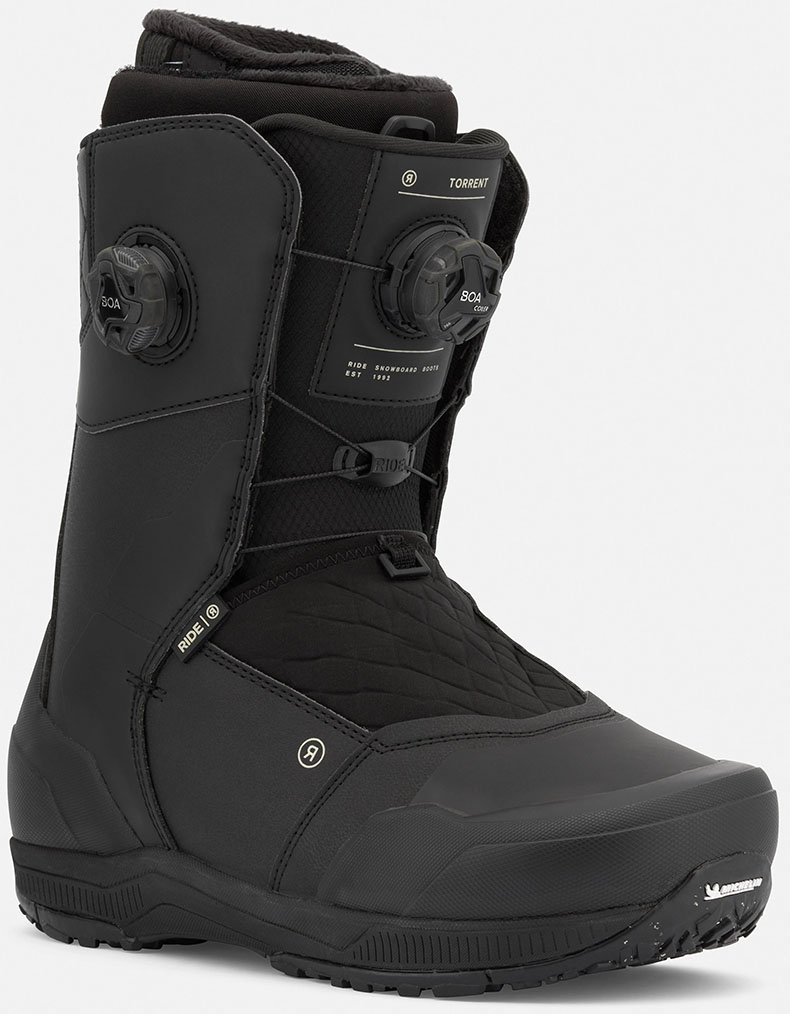
We try to get as many images of the Ride Torrent, but forgive us if they're not all there.
2026
Ride Torrent User Reviews
Where To Buy
No obligation, but these links support the site.
Sun & Ski Sports
evo
Backcountry
More stores to buy from:
Sun & Ski Sports
evo
Backcountry
No Results Found
More stores to buy from:
No Results Found
Sun & Ski Sports
evo
Backcountry
No Results Found
No Results Found
Where To Buy
No obligation, but these links support the site.
Sun & Ski Sports
evo
Backcountry
More stores to buy from:
Sun & Ski Sports
evo
Backcountry
No Results Found
No Results Found
No Results Found
No Results Found