Summary
The Burton Joystick is one of their flagship continuous rocker snowboards and very popular among many riders and we liked it in good conditions. The only issue with us was the chatter and the lack of edge hold.Where To Buy
No obligation, but these links support the site.
| Riding Style | Freestyle |
| Riding Level | Beginner - Expert |
| Fits Boot size (US) | 8-10, 10-12 |
| Manufactured in | China |
| Shape | Twinish |
| Camber Profile | Continuous Rocker |
| Stance | Centered |
| Approx. Weight | Feels Normal |
| Split | No |


|
|
|
|
|

|
|
|
|
|
|
|
|
|
|
|
|
|
|
|
|
|
|
|
| On Snow Feel |

|
| Turn Initiation |

|
| Skidded Turns |

|
| Flex |
|
| Buttering |
|
| Edge Hold |
|
Where To Buy
No obligation, but these links support the site.
Burton Joystick 2013 - 2010 Review by The Good Ride
Ethics Statement: We don’t get paid by the manufacturer to write these reviews. We do make money from the “Where To Buy” links, but this is our best attempt at an honest and objective review from an average riders’ perspective.
2010 Good Wood Award Winner and a Snowboard Mag Platinum Pick.
Size 157
Days: 3
Bindings: Burton Malavita EST 2012 with “Hinge” Tech, Burton Cartel EST
Boots: Burton SLX, Burton Ambush, Burton Grail
Riders: 5’10″ 200lbs size 9 shoe. 5’11? 175lbs, size 8.5 shoe
Their continuous rocker ride is much more buttery soft and more playful than the top competitors like Lib Tech and Gnu. This makes this a super fun ride in the jib park and on rails. Outside of the park, the Joystick can be disappointing if you are on the heavier side for your height. The “Frostbite” edge hold is minimal. If the edge hold was better with the Joystick this would be a very fun all conditions ride that almost anyone could love. Still, if you ride in good conditions then you will probably fall in love this board. Very little has changed with the 2012 Burton Joystick from the 2011 model except for the addition of “squeezebox tech”. Squeezebox makes for a better ride between the feet and makes the board a little more poppy. The real game changer is the addition of the 2012 Burton Malavita Est with “hinge technology”. This combo was amazing for us to ollie and this combo is incredibly springy. It really helps you look past the lack of edge hold. If you get the joystick it doesn’t matter too much between 2011 and 2012 but makes sure you get bindings with hinge tech like the Malavitas.
http://vimeo.com/56737312?autoplay=1&quality=720p
The Burton Joystick is a very fun board but like all boards, it’s not perfect. One rider called it a poptoctopus due to the Burton Malavita Est with “hinge tech” that is new for 2012. Before the Malavita with Hinge Tech the Joystick was still rather lively but the 2012 Malavita EST’s made the board a lot more poppy. The Burton Joystick has been and is a great board but our only real complaint is the edge hold. This is a very fun freestyle board that can make someone very happy in the park as long as they don’t care that much about edge hold.
On Snow Feel: The Burton Joystick is like many Burton Rocker boards and it’s all about loose and playful underfoot. It’s catch-free and very easy to butter/spin around the mountain. The Joystick’s continuous rocker makes this fun to jib around the mountain but not ideal for high-speed carving groomer assaults. It can make many people happy if you take a freestyle approach to groomers.
Powder: The Joystick didn’t experience any powder with us on it but we can say that it will perform very well for a board of its size and shape thanks to the EST/Channel tech and the rocker it has. The float will be effortless and it will be fun for a freestyle approach to powder.
Turn Initiation and Carving: The Burton Joystick is incredibly easy to turn. Going from edge to edge is easy for any level rider. The kink between the feet that makes what they call V-Rocker is super easy when it comes to short turns and super easy but not as much fun with larger dynamic turns. We felt the Joystick lacked what it took to make a good carving turn and found this to be pretty disappointing. The tail washed out when it came to almost any carve of even moderate proportion. Boards like these aren’t designed for carving but even most jibbers like a board that can let you go from jib to carve to jib.
Speed: The Burton Joystick is pretty chattery at higher speeds and this isn’t an all mountain bomber. This is all about the park or a park approach to the mountain so you shouldn’t expect much here. Still, this is fine with almost any speed you need in an average size park.
Uneven Terrain: Burton’s soft and playful continuous rocker flex moves over uneven terrain like water over rocks.
Approximate Weight- On the light side of things. Not a featherweight but not something that will affect your knee when sitting on the chair.
Edge Hold: Probably the only place where we feel Burton needs to work on this board. If this had better edge hold the Burton Joystick would be a glorious all conditions freestyle snowboard. The Frostbite Edges have no bite and it makes this board only fun in good conditions. If you take it out on hard pack or less than ideal conditions you will find your edge washing out too much.
Flex: Pretty soft and very playful yet still has a lot of pop. One of our issues with the Joystick and many Burton boards is they seem to have a sweet spot weight wise for riders that are much lighter than most of our average riders at The Good Ride. If you are pretty heavy this board won’t match the description and flex. If you are on the lower end of their weight range then you will feel it’s pretty close to how they say it rides. Still, the board is made well and shouldn’t break.
Switch: Pretty easy to ride switch and the Joystick almost felt like a directional twin instead of a twin like directional shape.
Rails/Jibbing: Very fun to stop in the jib park or slide down a technical rail. This is one of the Joysticks better traits. The lack of edge hold here makes the board slide very easy over almost everything out there. If you are a little on the heavy side this is an excellent board to jib with. If you are pretty light there are other boards that have an even lesser flex that would be better.
Pipe: Not much fun in the pipe. The Joystick was too soft for us and didn’t have enough edge hold. It slid everywhere. If it was a slushy spring pipe it could be a good time.
Jumps: Really fun to jump and ollie with. The ability to create your own air is quite fun and Peter called this a popaloptypus of a board when he tried this with the Burton Malavita Est that have hinge tech. This is a game changer and makes any board a lot more springy than it would be with other bindings. Still, even with regular bindings without hinge tech, the Joystick will be pretty poppy.
All in all the Burton Joystick can be an awesome board for someone who mainly rides in good conditions and loves the park. We have to say that many times we ignore the weight recommendation that the companies have but Burton’s is pretty much dead on. Still, if you want to get a softer all mountain freestyle board or a pure park board for good conditions this isn’t a bad choice. Also when paired with the Burton Malavita Est this has incredible pop and its hard to recommend any other binding with this board.
Burton Joystick Specs
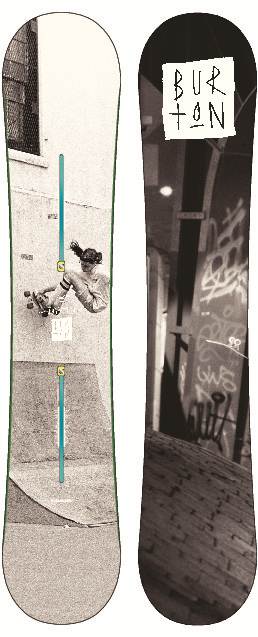
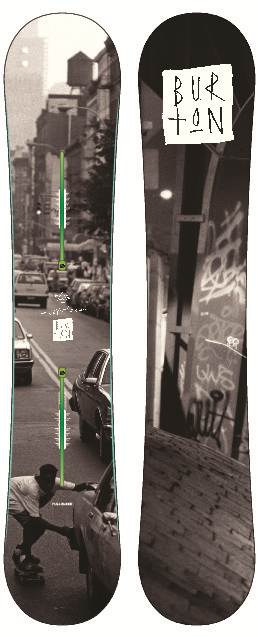
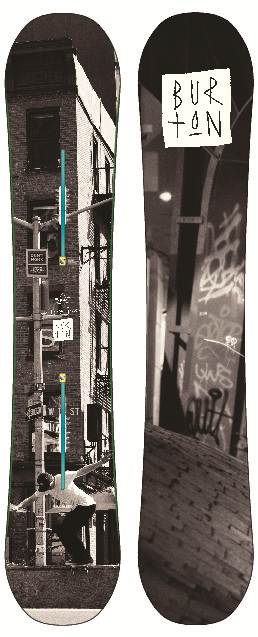
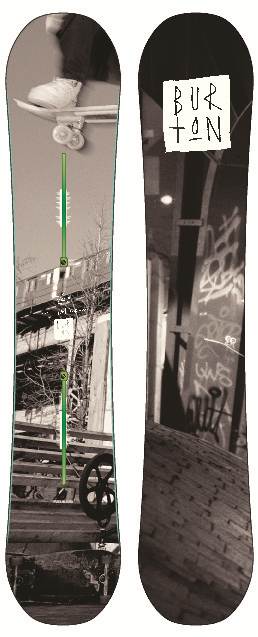
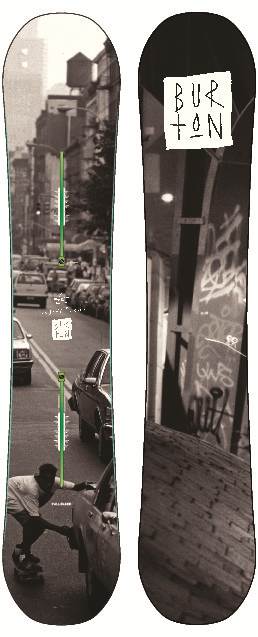
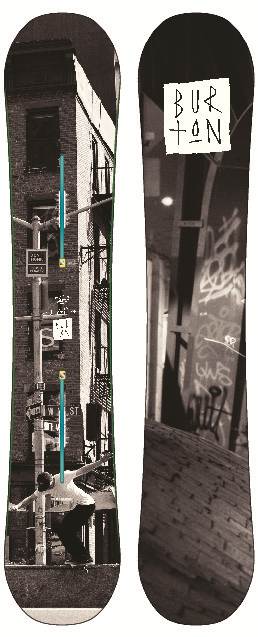
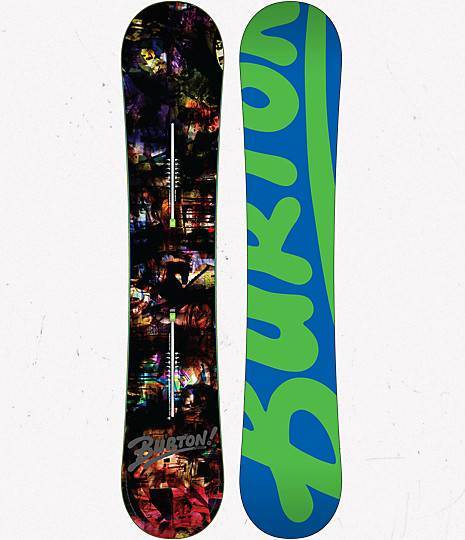
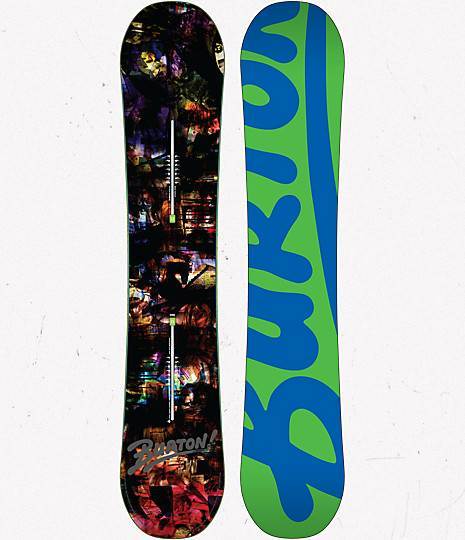
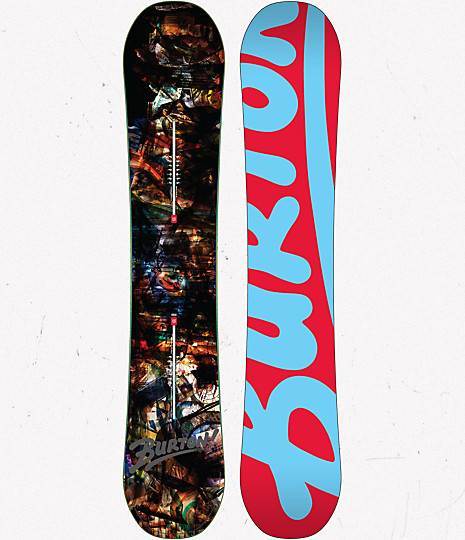
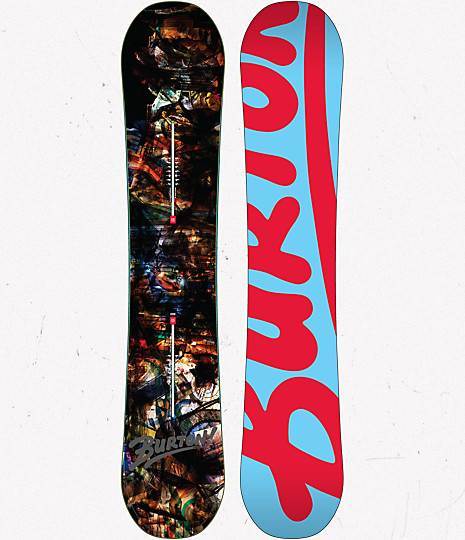
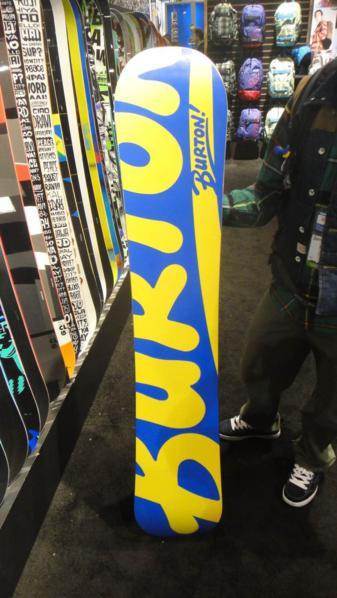
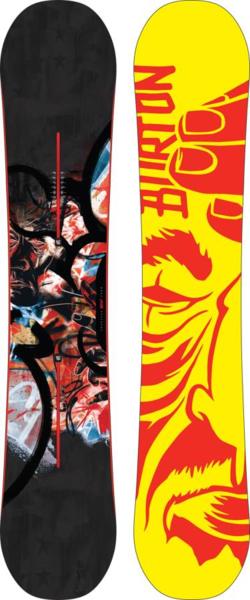
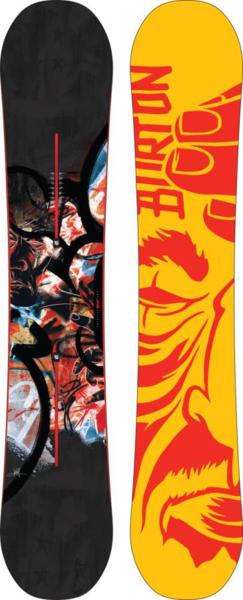
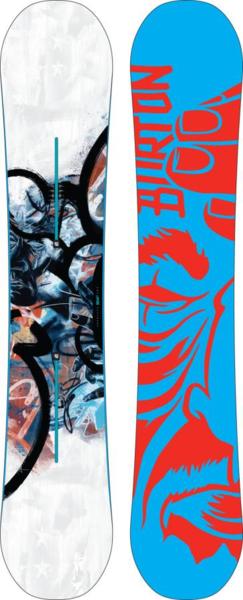
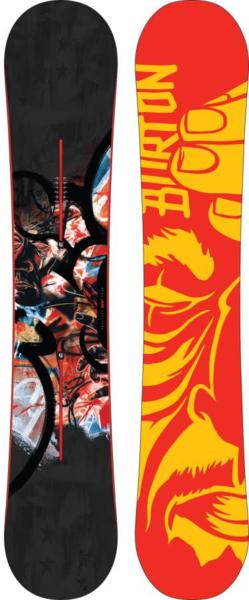
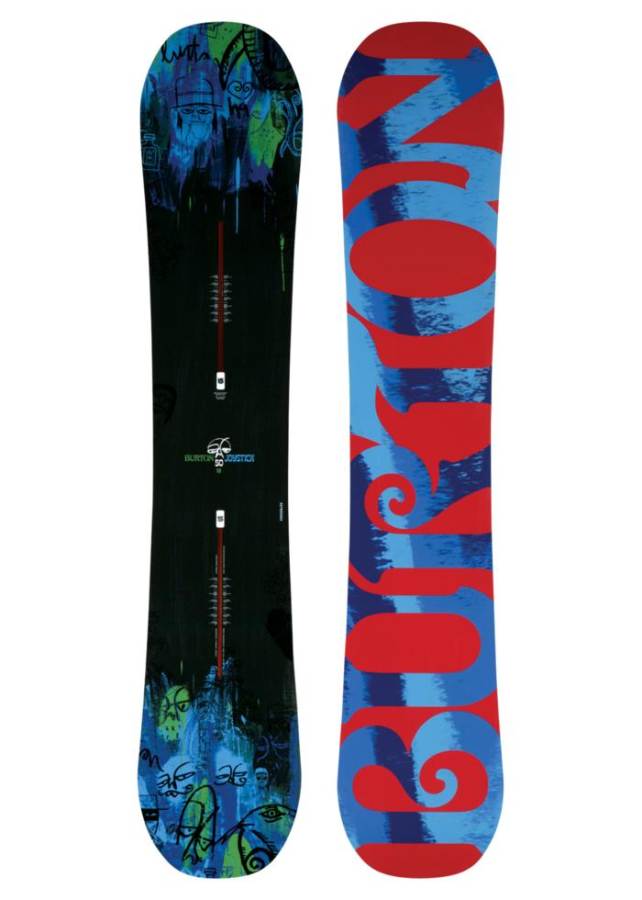
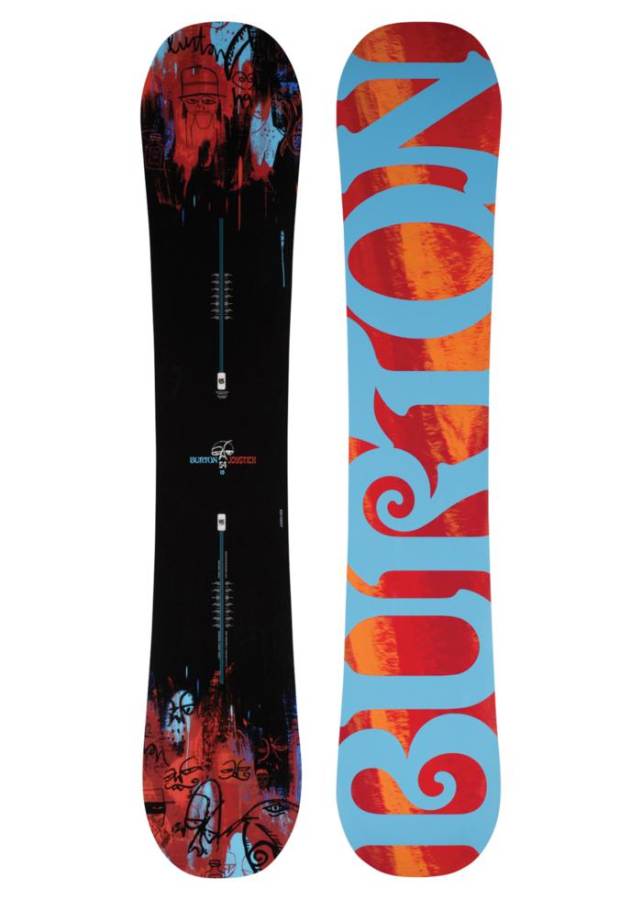
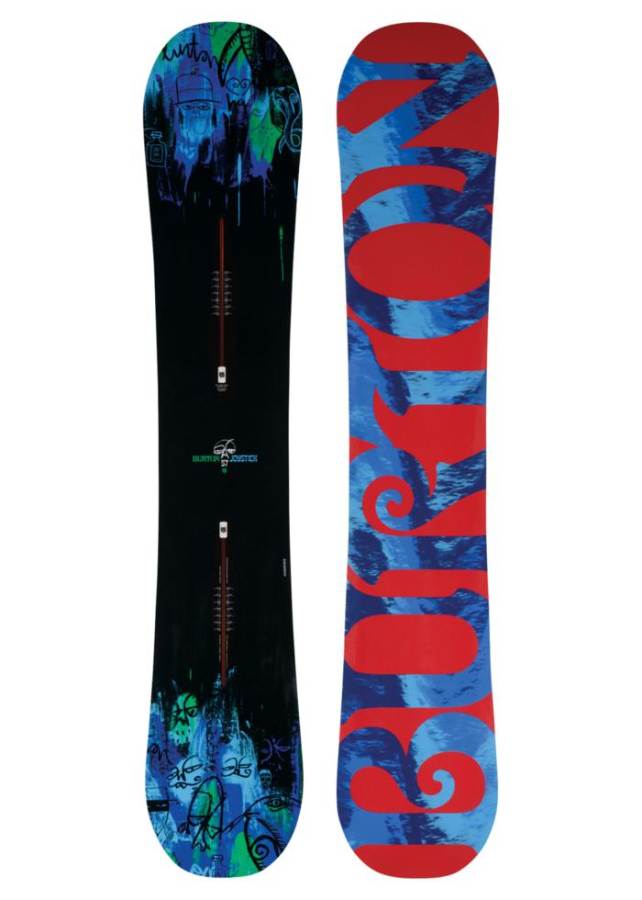
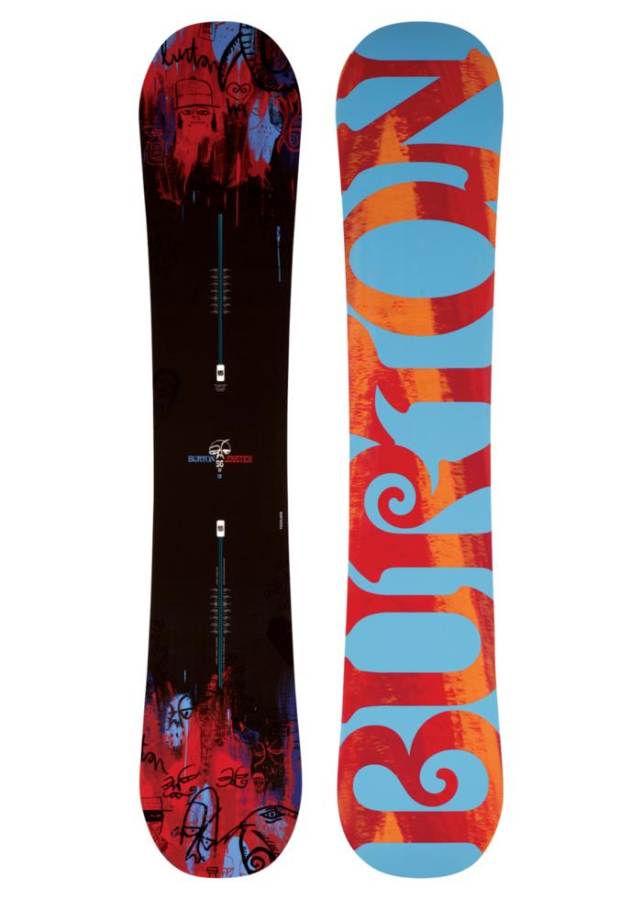
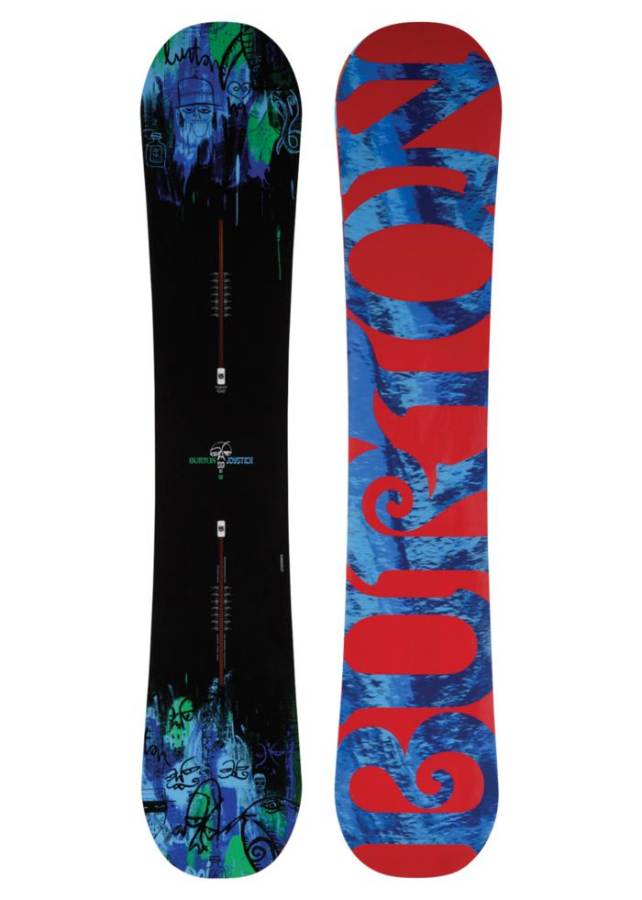
Burton Joystick Images
We try to get as many images of the Burton Joystick, but forgive us if they're not all there.
2013

2012



2011


2010


Burton Joystick User Reviews
Where To Buy
No obligation, but these links support the site.
No Results Found
No Results Found
Where To Buy
No obligation, but these links support the site.